A Beginner’s Guide to Business for UK Homeowners, Fans, and Professionals
A Beginner’s Guide to Business for UK Homeowners, Fans, and Professionals
Starting a business in the UK does not always mean quitting your job or renting an office. Many people build small, profitable ventures from their homes, garages, and laptops. This guide focuses on practical steps for UK homeowners, hobby fans, and professionals who want to turn skills into a real business.
Key Takeaways
- You do not need a large budget to start a simple, legal business in the UK.
- Getting basics right—tax, insurance, and records—matters more than fancy branding.
- Test your idea small, protect your home, and grow only when the numbers work.
- Good communication and negotiation often matter more than technical skills.
Know What “Business” Actually Means
In everyday life, a business is any organised activity where you provide goods or services and expect payment. Selling cakes to neighbours, offering weekend plumbing repairs, or editing videos for clients online all count. HM Revenue & Customs (HMRC) cares about whether you are trading and making profit, not how big you are.
Many UK residents already act like negotiators in small ways: agreeing a price for a job, asking a supplier for a discount, or setting expectations with a neighbour who becomes a customer. Recognising this helps you treat your side work as a business from day one.
Match Your Idea to Your Life and Home
For homeowners, your property can be an asset but also a risk. Running a dog-grooming studio in a spare room is different from offering remote video editing like many global freelancers. The first affects your street, parking, and noise; the second mostly affects your broadband and time.
Ask three basic questions before you commit:
- Can this be done safely and legally from my home address?
- Does it fit around my job, family, and sleep in a realistic way?
- Would I still do this if it took 12 months to make solid profit?
How to Start: Step-by-Step
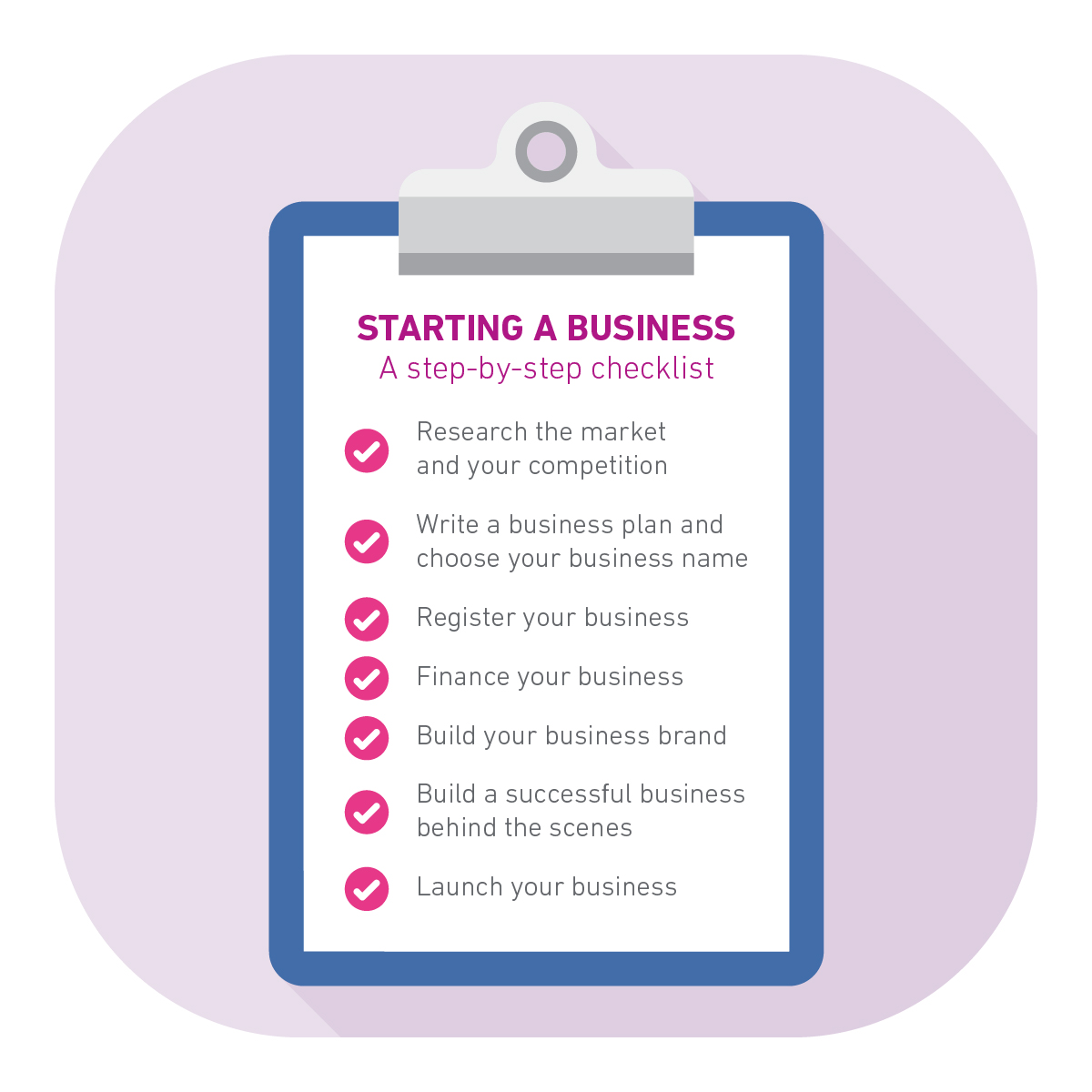
Use this simple sequence as your first business checklist.
- Clarify the service or product. Write one sentence: “I help X type of person solve Y problem by doing Z.” Keep it plain and specific.
- Estimate basic numbers. Note your likely monthly costs (software, materials, insurance) and a realistic price you can charge per job or product.
- Check rules and permissions. Look at HMRC’s guidance on trading, your local council’s rules, and your mortgage or tenancy terms if you are running a business from home.
- Choose a business structure. Most UK beginners start as a sole trader; some choose a limited company for liability or branding reasons.
- Register when needed. If you are a sole trader making more than the trading allowance (currently £1,000 a year in gross income), you must register for Self Assessment with HMRC.
- Open a separate bank account. Even if not legally required for sole traders, keeping business money separate from personal money saves stress and errors.
- Test with a small project. Do one paid job, track every pound, and ask the customer for honest feedback.
- Refine and repeat. Adjust price, offer, or workflow based on what actually worked, not on assumptions.
Money, Tax, and Records (Without the Jargon)
Most small UK businesses fail because of poor cash flow, not lack of talent. That means money going out faster than it comes in. You reduce this risk with simple habits, not complex software.
At minimum, keep a basic log of income, expenses, invoices, and receipts. Many beginners use spreadsheets; others prefer low-cost bookkeeping apps that connect to UK banks and prepare data for HMRC returns. Aim to set aside a percentage of every payment—often 20–30%—in a separate savings pot for future tax bills.
Safety and Caution Checklist
Before you commit money or sign anything, pause and check the basics.
- Confirm whether you need public liability, professional indemnity, or contents insurance.
- Check that your landlord, lender, or freeholder allows business use of your home.
- Beware of long contracts for software, vehicles, or premises you may not need in six months.
- Protect personal data you store on customers under UK GDPR rules.
- Do not ignore letters or messages from HMRC or your local council; respond early.
Negotiation and Communication with UK Clients
In small business, every quote, discount, and deadline is a negotiation of interests. Homeowners offering local services, for example, often need to balance friendly relations with firm boundaries on price and timing. Written confirmations help: a short email summarising what you will do, when you will do it, and for how much.
“Clear expectations beat clever sales talk. If both sides know the price, the scope, and the deadline, most conflicts disappear before they start.”
UK clients usually value reliability, plain language, and punctuality over showy promises. Turn up when you say you will, deliver what you agreed, and respond quickly to issues, even if it means admitting a mistake.
From Side Hustle to Sustainable Business
Fans and professionals often start as enthusiasts: a football coach offering weekend sessions, a music fan running a niche online shop, or a designer freelancing after work. Over time, the question becomes whether to stay small or grow. Growth may mean hiring help, forming a limited company, or moving from your living room to a small unit.

Whatever you choose, keep testing: raise prices slightly, track what sells, and drop what does not. A business that respects your home life, health, and time is more likely to last than one that chases every pound and burns you out.
Clarity in writing comes from structure, not length.