A Beginner’s Guide to Starting a Small Home-Based Business in the UK
A Beginner’s Guide to Starting a Small Home-Based Business in the UK
Running a small business from home is now common across the UK, from spare-room designers to driveway mechanics. This guide walks you through the basics in plain language, with concrete steps you can take this month, not “someday.”
Key Takeaways
- You need a simple business idea, a clear customer, and a basic written plan before you spend money.
- In the UK, check planning rules, insurance, and basic registrations early to avoid fines and invalid claims.
- Start small: test your service or product with real customers before you quit your day job or sign long contracts.
- Keep clean records from day one – it protects you with HMRC and shows if the business actually works.
Step 1: Turn a Skill or Passion into a Clear Offer
Begin with something you can already do: video editing, dog walking, garden maintenance, online tutoring, or baking. The key is not the skill alone but the promise you make to a customer.
Instead of saying “I do video editing,” say “I edit short social videos for local trades so they look professional on Facebook and Instagram.” Clear offers are easier to sell, price, and improve.
Step 2: Understand Your UK Home and Local Rules
Before advertising, check whether running a business from home is allowed under your mortgage, lease, or local council rules. Most small, low-impact businesses are fine, but activities bringing regular visitors, noise, or deliveries may need permission.
Visit your local council website and search “run a business from home.” If you rent, get written consent from your landlord so you are covered if neighbours complain later.
Step 3: Protect Yourself – Insurance and Safety
Many homeowners forget that standard home insurance may not cover business activities. If clients visit your home or you work at theirs, public liability insurance becomes important.
For those giving advice (for example, consultants or coaches), professional indemnity cover can help if a client claims your advice caused them loss. Speak to a UK broker or use comparison sites to get quotes before you launch.
Quick Safety & Caution Checklist
- Check your home insurance policy and declare business use if required.
- Ensure electrical equipment (laptops, extension leads) is safe and not overloaded.
- Agree written terms with clients, even if short and plain English.
- Back up important files to secure cloud storage in case of laptop loss or damage.
Step 4: Get the Basics Right with HMRC and Records
In the UK, most one-person home businesses start as sole traders. You must register with HMRC once you earn more than a small amount of self-employed income in a tax year.
Keep every invoice, receipt, and bank statement in one place – ideally, use a separate business bank account. Clear records make tax returns simpler and show if your idea is truly profitable after costs.
“Treat it like a business from day one, even if it only makes £50 a month at first. Good habits are easier to start small than to fix later.”
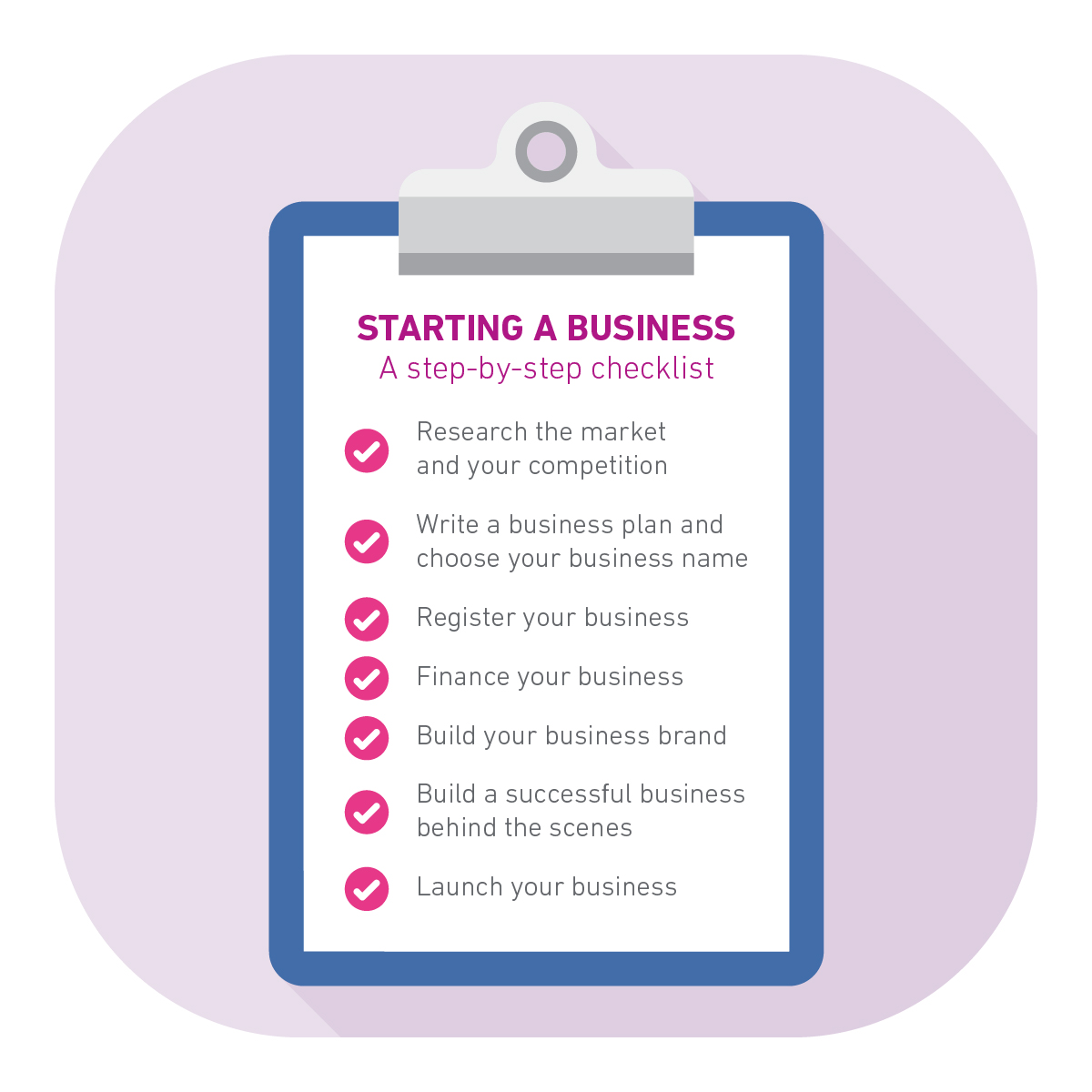
Step 5: A Simple Step-by-Step Launch Plan
Use this basic sequence to go from idea to first paying customer without getting lost in details.
- Write one-page answers to: Who is my customer? What problem do I solve? How do I deliver?
- Check home, council, and insurance requirements, and register as a sole trader when needed.
- Set up a simple brand: business name, one-sentence description, and a clean email address.
- Create one basic online presence (a single-page site or updated social profile).
- Offer your service to 5–10 people you already know, at a fair “tester” price.
- Collect feedback, improve your offer, and adjust your price based on actual time and costs.
- Only then, consider paid ads, bigger tools, or leaving your main job.
Step 6: Finding Your First UK Customers
Start local. Many UK homeowners and small firms prefer someone nearby who understands local conditions and can visit if needed.
Use community Facebook groups, local business networks, and word of mouth. Instead of shouting “hire me,” share useful tips, then mention you offer a paid service for people who need extra help.

Step 7: Balancing Home Life and Work
When your business lives in your house, it can slowly take over your time and space. Set start and finish times, and agree boundaries with family or housemates.
Even a small routine, like a daily shutdown checklist and closing the laptop at a set hour, helps you stay consistent without burning out.
Moving From Experiment to Stable Business
After six to twelve months, review your numbers honestly. Look at average monthly income, regular costs, and how many hours you work.
If the business is growing, you might explore a limited company, part-time help, or a small workspace outside home. If not, treat the experience as affordable training, adjust the offer, or decide to keep it as a side project rather than a full-time job.
Clarity in writing comes from structure, not length.