AI in 2026: What UK Homeowners and Professionals Should Expect
Key Takeaways
- In 2026, AI is becoming more useful for everyday tasks, not just experimental projects.
- UK homeowners are most likely to notice AI in security, energy management, planning, and customer support.
- Builders, designers, and trades can use AI to spot problems earlier and respond faster.
- The biggest value comes from tools that save time, reduce waste, and improve communication.
AI is becoming a practical tool, not a buzzword
In 2026, AI is showing up in places that matter to ordinary users. For homeowners, that means smarter heating, better security alerts, and more useful app-based advice. For professionals, it means software that can analyse patterns, flag issues, and support quicker decisions.
The shift matters because AI is no longer limited to large tech firms. It is now being built into consumer products, property tools, and construction software that UK buyers and tradespeople already use.
“The value of AI in 2026 is not that it sounds advanced. It is that it helps people make faster, better decisions with less effort.”
Where UK homeowners will notice AI first
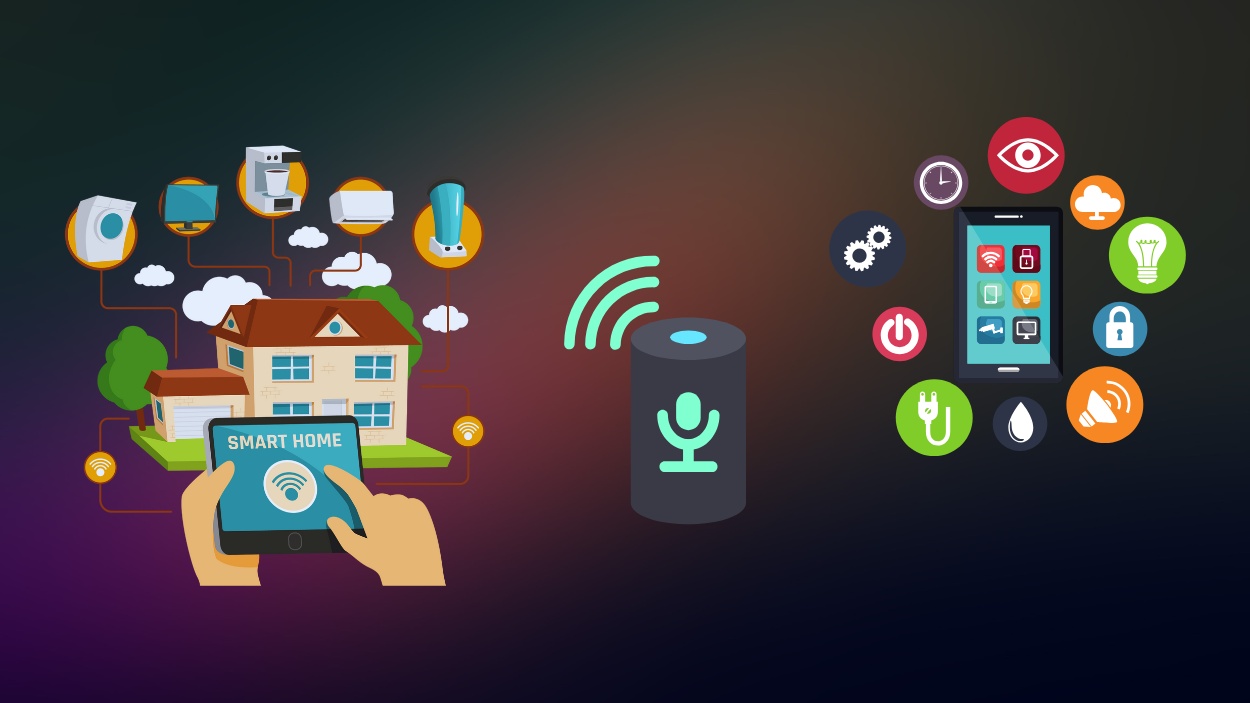
Homeowners are most likely to meet AI through systems that monitor and automate the home. Security cameras can now learn normal activity and highlight unusual movement. Heating and lighting systems can adjust to routines rather than fixed schedules.
Energy management is another major area. As household bills remain a concern, AI-enabled tools can identify when a home is wasting power and suggest small changes that add up over time.
- Security alerts that reduce false alarms
- Heating controls that adapt to daily habits
- Lighting systems that respond to occupancy
- Energy dashboards that show where power is being used
What builders and housing professionals are using AI for
For housing professionals, AI is becoming a back-office advantage. ECI’s launch of AvidCX Insights, an AI-powered layer for homebuilders, shows the direction of travel: software that surfaces buyer sentiment earlier and highlights operational issues before they become expensive problems.
That matters in a market where delays, poor communication, and missed signals can damage customer trust. AI tools can help sales teams and site managers spot patterns in feedback, track service bottlenecks, and respond faster when something starts to go wrong.
- Reading customer feedback at scale
- Spotting recurring sales-cycle issues
- Flagging service and handover problems earlier
- Supporting more consistent communication
Why this matters in the UK market
UK homeowners and professionals are dealing with pressure from several directions: energy costs, tighter budgets, and higher expectations for service. AI is attractive when it solves a practical problem rather than adding complexity.
That is why the strongest AI products in 2026 are likely to be the quiet ones. They sit inside familiar apps, improve a specific workflow, and make life easier without demanding much attention.
What to look for before buying any AI product
Not every product that uses AI is worth the money. Some tools are useful; others mainly repackage basic automation with a new label. Buyers should look closely at whether the product gives real savings, clear advice, or better control.
- Does it solve a specific household or business problem?
- Can it explain why it made a recommendation?
- Does it work reliably without constant manual fixes?
- Is the data stored and handled in a way you trust?

The outlook for 2026
The most likely trend in AI this year is not dramatic disruption. It is steady adoption across everyday products and professional tools. That means more homes will use AI without calling it AI, and more businesses will rely on it to improve service and reduce waste.
For UK readers, the useful question is simple: does this tool save time, money, or stress? If the answer is yes, AI in 2026 is likely doing its job.
Clarity in writing comes from structure, not length.