AI in Real Life: Myths UK Homeowners Should Stop Believing
AI in Real Life: Myths UK Homeowners Should Stop Believing
Artificial intelligence, or AI, now sits in the background of everyday UK life, from energy bills to doorbells. Yet the stories we tell about it are often stuck between science fiction and marketing gloss.
This piece compares common myths with how AI actually works in homes, workplaces, and neighbourhoods, so you can decide what is useful and what is noise.
Key Takeaways
- AI is powerful at pattern-spotting, not a thinking, feeling brain.
- Most home AI tools trade convenience for some level of data sharing.
- AI boosts professionals rather than instantly replacing whole jobs.
- UK rules are tightening, but homeowners still need to set their own boundaries.
Myths vs Reality: Quick Comparison
| Myth | Reality | Everyday Example | What this means |
|---|---|---|---|
| AI is a human-like brain | AI is maths finding patterns in data | Smart thermostat learning when you are usually home | Great at routine predictions, poor at common sense |
| AI will replace most jobs overnight | Tasks are automated; roles shift more slowly | Estate agents using AI to draft listings faster | Upskilling matters more than panic about replacement |
| AI is always objective | Systems inherit bias from their training data | Mortgage risk tools reflecting historic lending bias | Human oversight is still essential, especially in finance |
| AI is either fully safe or completely dangerous | Risk depends on design, oversight, and use | Home security cameras that also send data to the cloud | Homeowners need to check settings, not just buy the logo |
Myth 1: AI Is a Thinking, Feeling Brain
Many people talk about AI as if it were a digital person waiting to wake up. In reality, today’s AI systems are tools that spot patterns and make predictions based on past data.
When a UK energy supplier uses AI to forecast demand, it is not “understanding” your life. It is crunching thousands of past readings and weather patterns to guess how much power your street will need.
AI is closer to a calculator on steroids than to a consciousness. It is impressive without being alive.
Myth 2: AI Will Replace Most Jobs, Including in Property
Headlines often say AI will wipe out entire professions, from copywriters to surveyors. The reality on the ground in the UK has been slower and more mixed.
Estate agents now use AI tools to generate draft listings, flag likely buyers, or estimate fair prices from recent local sales. Surveyors can lean on image-recognition tools to highlight possible roof damage. The job changes, but people still make the final calls.
Myth 3: AI Is Neutral and Always Fair
It is tempting to assume computer decisions are free from human prejudice. Yet AI systems learn from historical data, and that data often reflects old inequalities.
For example, a bank using an AI model to assess mortgage risk trains it on years of lending records. If those records include subtle bias against certain postcodes or job types, the AI can reinforce those patterns unless checked.
Myth 4: Smart Homes Are Effortless and Private
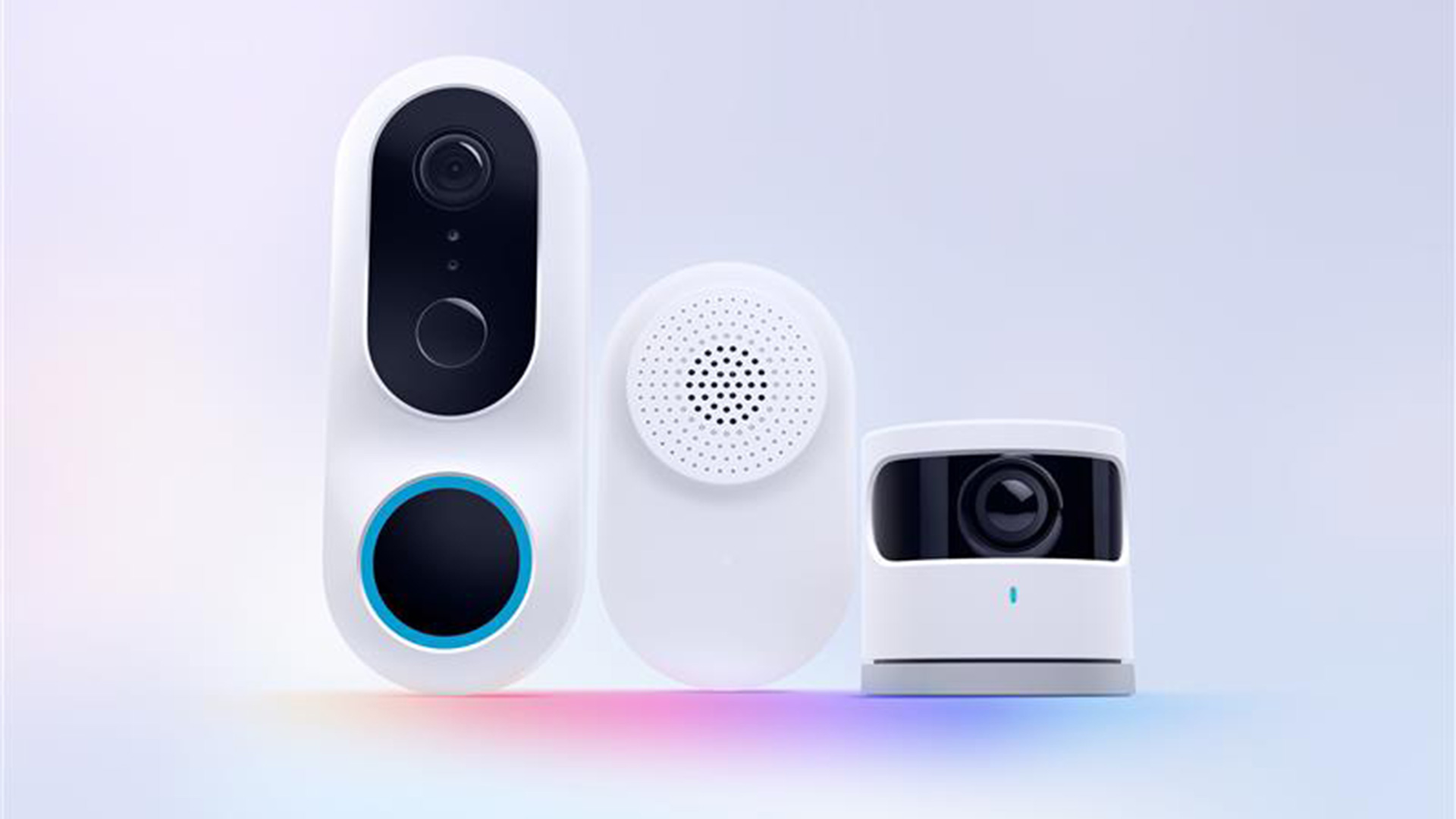
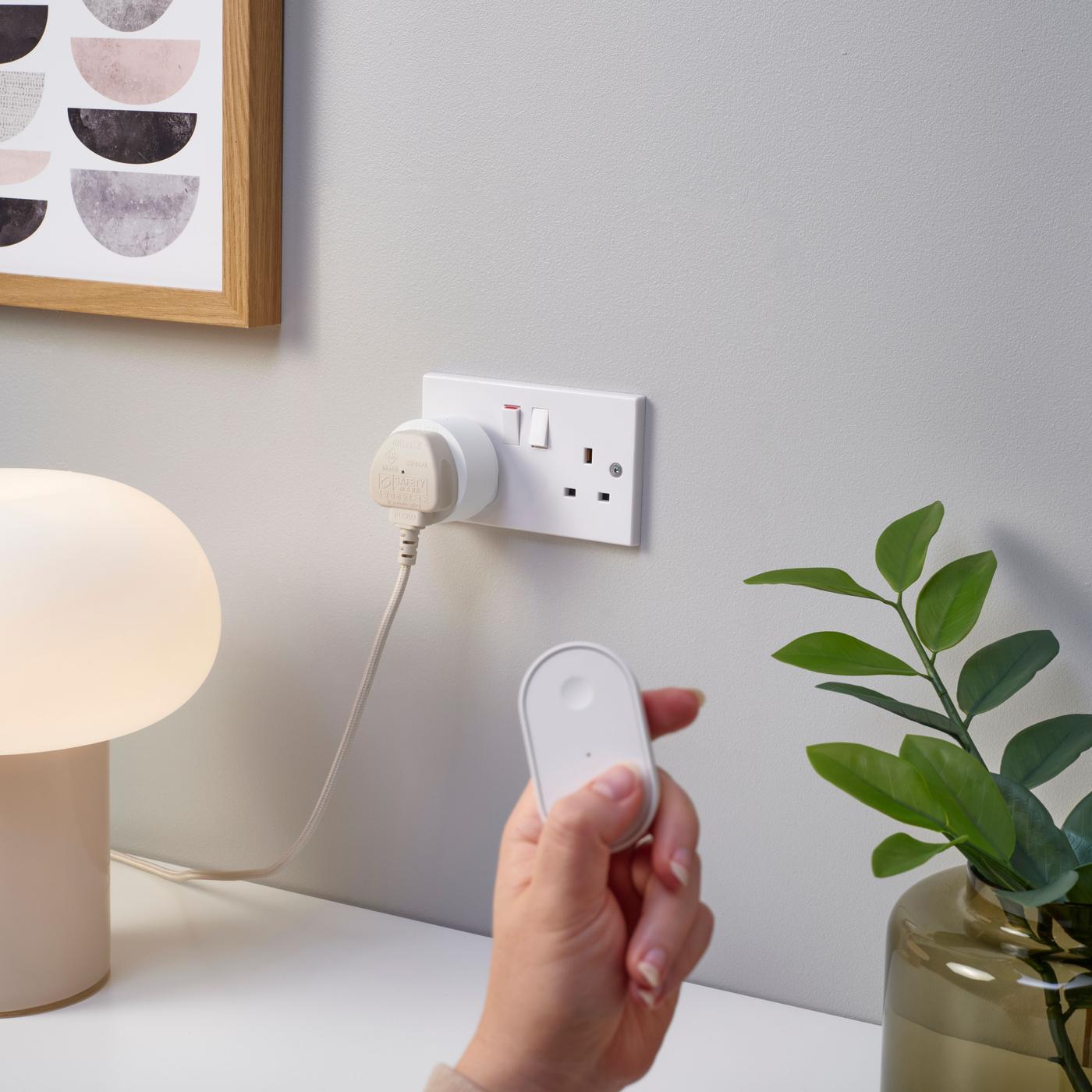
Smart speakers, connected alarms, and AI-driven heating promise comfort and lower bills. They can deliver both, but only if homeowners understand the trade-offs.
- Voice assistants often store recordings to improve recognition.
- Security cameras may upload footage to cloud servers outside the UK.
- Energy apps can build detailed profiles of when you are in or out.
These features are not automatically bad, but they are not invisible. Checking privacy dashboards and switching off unneeded data collection is now part of basic home maintenance.
What This Means for UK Homeowners and Professionals
The key shift is from seeing AI as magic to treating it like electrics or plumbing: powerful, useful, and needing clear limits. For homeowners, this means reading settings, not just packaging.
For professionals in property, trades, and creative fields, AI is becoming a standard tool. Those who learn to use it for drafting reports, analysing local markets, or handling routine paperwork will likely edge ahead of those who ignore it altogether.
Practical Steps: Using AI Without Losing Control
UK rules, including GDPR and sector guidance from regulators like the Financial Conduct Authority, put boundaries around how firms can use personal data. Yet enforcement is uneven, and you still need to look after yourself.
- Review default settings on smart cameras, speakers, and meters when you install them.
- Ask service providers how their AI tools affect decisions on pricing, access, or risk.
- Use AI assistants for drafts and ideas, but proofread and fact-check anything important.
- In your work, note where AI helps and where human judgement must stay in charge.
Closing Thoughts
AI is not the hero or the villain of modern UK homes; it is another layer of infrastructure. The myths fall away once you see where the data comes from, what the model does, and who is accountable.
Treat AI as a sophisticated, imperfect tool. Do that, and you can enjoy the benefits while keeping your privacy, money, and judgement firmly in your own hands.
Clarity in writing comes from structure, not length.