Business Cost and ROI Breakdown: A Practical Guide for UK Readers
Key Takeaways
- Start with total cost, not just the upfront price.
- Measure ROI using realistic timeframes and conservative revenue estimates.
- For UK readers, include tax, labour, insurance, and running costs in every calculation.
- Small differences in monthly costs can change the payback period by months or even years.
- Use a simple break-even test before committing money.
Why business cost and ROI matter
Whether you are starting a side venture, buying equipment for a small firm, or weighing a home-based service idea, the same question applies: is this worth it? In business, a good idea can still fail if the costs are too high or the return is too slow.
For UK households, homeowners, and professionals alike, the goal is to compare what you spend now with what you are likely to earn later. That means looking beyond the purchase price and into the full cost of ownership.
What counts as business cost
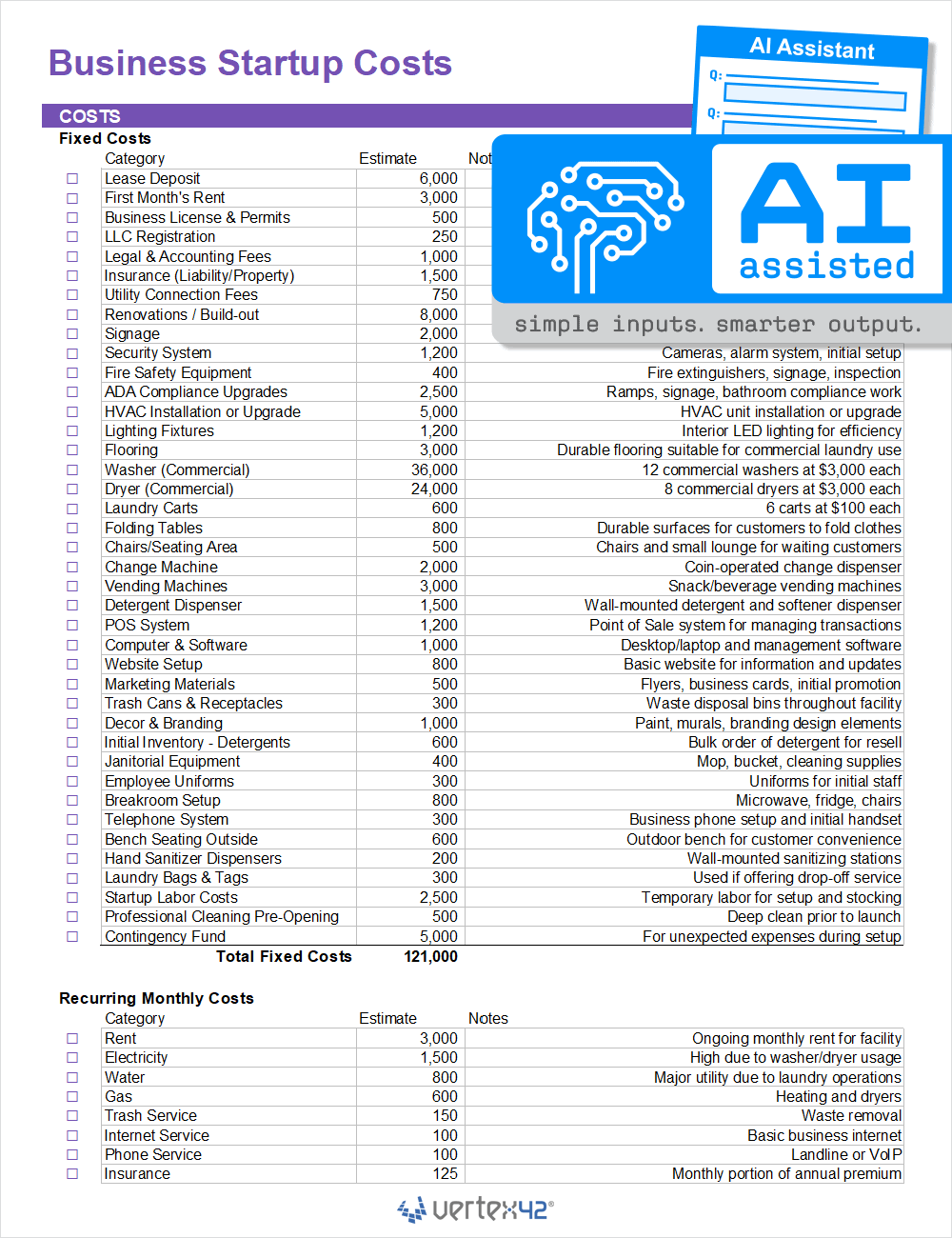
Business cost is every expense needed to launch and keep an activity running. That includes one-off setup costs and recurring costs that arrive every month.
- Equipment, tools, and software
- Website, domain, and hosting
- Insurance and licences
- Materials, packaging, and delivery
- Marketing and advertising
- Accountancy, bank fees, and payment processing
- Labour, whether hired or your own time
For UK businesses, tax is part of the picture too. VAT, corporation tax, and income tax can affect what is left after expenses, so the real return may be lower than first expected.
How to calculate ROI
Return on investment, or ROI, shows how much gain you make compared with what you put in. The basic formula is simple: subtract total cost from total return, then divide by total cost.
ROI = (Gain from investment - Cost of investment) / Cost of investment
If you spend £2,000 on a project and it brings in £3,000 in profit, your gain is £1,000. That gives you an ROI of 50%.
“The most useful ROI figure is the one that survives a reality check. If the numbers only work on best-case assumptions, the investment is not ready.”
A simple break-even example
Imagine a homeowner in Manchester buys equipment for a small weekend service business. The upfront cost is £1,500, and monthly running costs are £150. If the service brings in £500 in monthly profit before tax, the net monthly gain is £350.
At that rate, the break-even point is a little over four months. If demand slips and profit falls to £250 a month, the break-even period doubles to six months. This is why realistic assumptions matter more than optimistic ones.
What usually gets missed
Many ROI calculations fail because they ignore hidden costs. Time is the biggest one. If a business takes ten hours a week and the owner values that time at £20 an hour, that is £200 a week in labour value, even if no cash leaves the bank.
Other common misses include returns, repairs, downtime, fuel, subscriptions, and late payments. For service businesses, marketing can also rise quickly once competition increases.
- Allow for at least 10% to 20% contingency
- Track cash flow separately from profit
- Test the worst-case and average-case scenarios
- Review costs quarterly, not just at launch
How to judge if the numbers are good enough
There is no single perfect ROI target, but the investment should match the risk and the time required. A low-risk idea with quick payback may be acceptable even if the percentage return is modest. A higher-risk venture should deliver a stronger return or a clearer growth path.
For many small business decisions, three questions help:
- How long until I recover the money?
- What happens if sales are 20% lower than expected?
- Can I afford the cash shortfall if costs rise?
If you cannot answer those clearly, the project needs more work. A good business case is not just profitable on paper; it is manageable in practice.
The bottom line
A solid business decision comes down to discipline. Count every cost, use cautious revenue estimates, and judge ROI over a realistic period. For UK readers, that means factoring in tax, labour, and the true cost of time before making the call.
When the numbers still work after that, the idea is far more likely to hold up in the real world.
Clarity in writing comes from structure, not length.