
Business in 2026: What UK Households and Professionals Need to Know
Why 2026 Feels Like a Reset Year
Business in the UK in 2026 sits in a strange middle ground. Confidence is improving from recent lows, yet many firms still feel cautious about hiring, investing, and pricing.
At the same time, consumer-facing companies are reshaping how they sell, using AI, social commerce, and immersive tech. For homeowners and professionals, these shifts affect job security, prices, and even how everyday products are discovered and bought.
Key Takeaways
- UK business confidence is higher than in 2024 but still fragile, especially in manufacturing and retail.
- Tax rises and a softer labour market are pushing firms to automate and scrutinise hiring.
- B2C brands are prioritising AI-driven personalisation, social commerce, and interactive content to win customers.
- Immersive tech like AR is mainstream in fashion and home goods; VR is still a niche for big-ticket items.
- Community and sustainability strategies are becoming core to retention, not just PR.
The Mood: Confidence Up, But Nerves Remain
Business confidence has climbed from the slump of late 2024, when the UK Business Confidence Index dipped to 97.4, its lowest since mid‑2020. By early 2026, it was just under the neutral 100 mark, a sign that firms are cautiously optimistic but not euphoric.
This recovery is uneven. Service sectors tied to consumers are benefiting from lower inflation, while manufacturers report weakening sentiment in surveys such as the Confederation of British Industry’s April 2026 trends report.
In boardrooms, the conversation has shifted from “Will demand collapse?” to “Can we afford to hire and still stay flexible?”
Labour Market: More Slack, More Caution
The labour market is cooling after a period of intense hiring. Official figures show payrolled employees falling by around 104,000 between March 2025 and March 2026, a modest drop but a clear change of direction.
Economic inactivity – people aged 16–64 not in work and not seeking it – sits at just over 20% for the UK and higher in Scotland, reflecting persistent health, care, and skills issues. For professionals, this means more competition for quality roles and slower pay growth in some sectors.
For homeowners, the impact is indirect but real: weaker wage growth can weigh on house prices, while a softer job market encourages caution in big-ticket spending like renovations and cars.
Tax and Costs: Why Businesses Feel Squeezed
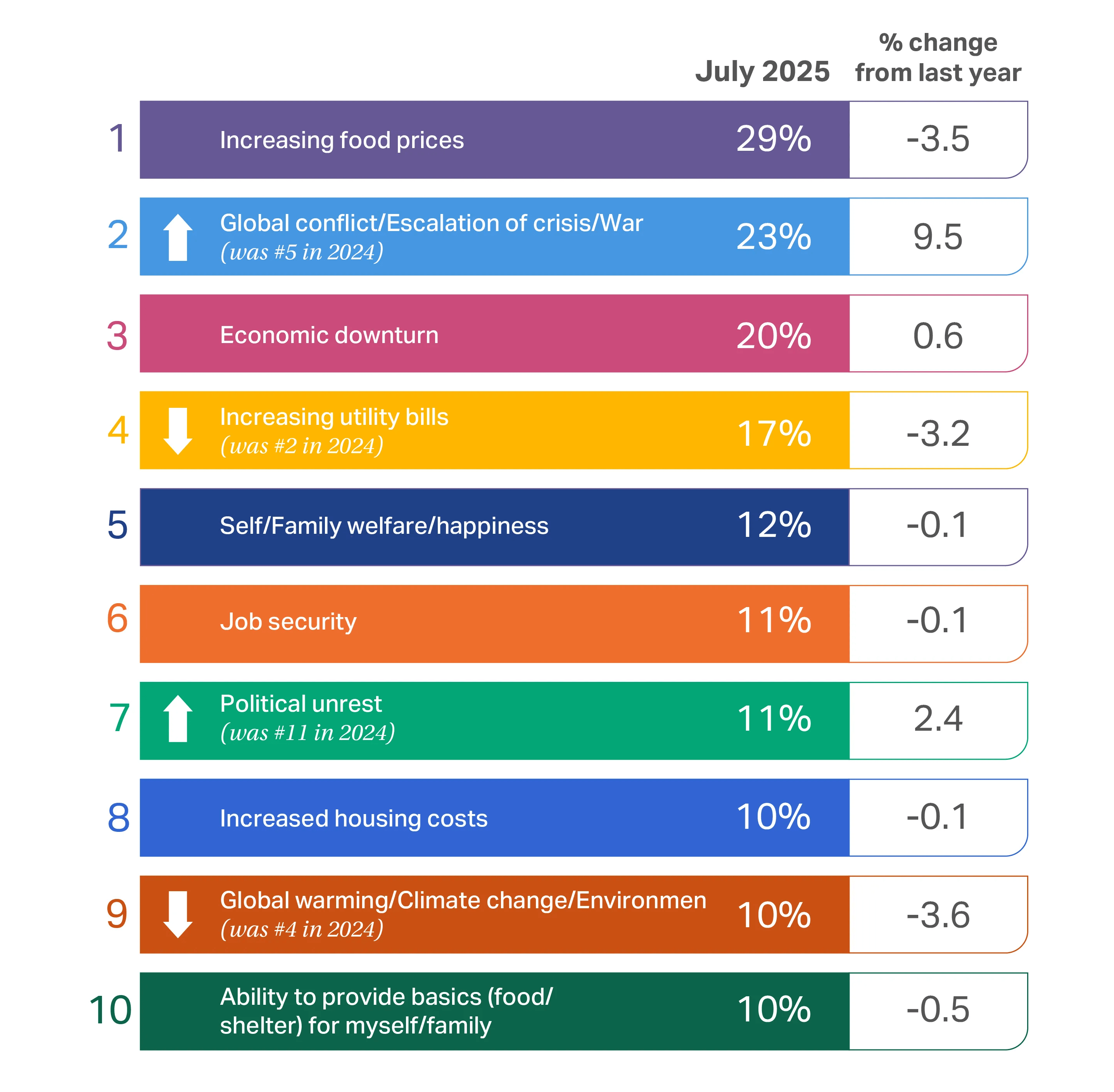
After battling inflation above 10% in 2022, UK firms saw price pressures ease through 2024. Yet surveys in late 2024 showed taxation overtaking inflation as the main external concern, with around six in ten businesses worried about rising National Insurance contributions from April 2025.
This shift matters for consumers because higher employer costs often turn into higher prices or tighter staffing levels. Many companies, especially smaller ones, now treat every new hire as a long-term commitment that must be justified by clear revenue gains.
How Consumer-Facing Businesses Are Changing
For anyone who shops online, the most visible changes in 2026 are in consumer marketing. B2C brands are under pressure to convert quickly, personalise deeply, and still protect customer trust.
According to recent marketing analyses, personalisation at scale remains the top priority, with nearly half of marketers calling it their main focus. But poor AI deployments risk frustrating customers and turning a promised $2.1 trillion global opportunity into a trust problem.
AI, Personalisation, and the Risk of Over-Automation
AI tools now power real-time recommendations, tailored homepages, and predictive cart‑abandonment messages. Many brands pay thousands of pounds per month for platforms, plus staff to manage them, in exchange for modest conversion lifts.
The benchmark some analysts use is simple: if personalised emails cannot beat standard campaigns by at least 15% in conversion, it is hard to justify expanding AI personalisation across channels. For UK professionals in marketing or data, this shifts the focus from experimentation to clear, measured business impact.
Social Commerce, AR, and the New Showroom
Social platforms are becoming shopping centres in their own right. For brands selling impulse purchases under roughly £40–£50, TikTok Shop, Instagram, and Pinterest now drive a significant share of revenue, especially for beauty, home décor, and fan merchandise.
For higher‑value purchases, social works mainly as a discovery channel because cart abandonment is still higher than on traditional e‑commerce sites. This is pushing serious buyers into more immersive tools such as augmented reality (AR) and, to a lesser extent, virtual reality (VR).
By 2026, around one in five beauty and fashion brands offer AR try‑ons, and virtual furniture placement is standard on many home and DIY sites. VR remains a niche, used mainly by luxury and furniture brands with larger basket sizes.
Interactive Content and Community: From Audience to Members
Interactive content – quizzes, polls, AR filters, and live shoppable streams – is a growing share of marketing budgets. Roughly three in ten B2C brands now prioritise such formats for engagement and data collection.
Alongside this, community‑building has moved from side project to retention strategy. Brands run Discord servers, private Facebook or WhatsApp groups, and advisory panels where keen fans and customers trade tips, reviews, and early feedback.
For UK fans of sports, gaming, and entertainment, this means more chances to influence products and access limited releases. For professionals, it creates new roles in community management, moderation, and customer research.
Sustainability: From Storytelling to Proof
Consumer interest in sustainability remains strong, especially among younger buyers. Brands respond with stories about product origin, low‑carbon shipping, and recyclable packaging, often backed by third‑party certifications that can cost tens of thousands of pounds.
The pressure, however, is to move from broad claims to measurable proof. Homeowners deciding between energy‑efficient appliances or home upgrades now see clearer information on lifetime costs and environmental impact, though verifying these claims still takes effort.
What This Means for UK Households and Professionals
For homeowners, expect more targeted offers, more in‑app and in‑feed shopping, and more immersive tools to test products before buying. Use them, but stay alert to over‑personalised journeys that make it hard to compare prices or step away.
For professionals, especially in marketing, tech, and retail, the message is to build skills where demand is rising: data literacy, AI oversight, community management, and customer‑experience design. As businesses balance cost control with innovation, those who can link new tools to real outcomes – revenue, retention, and trust – will be most resilient.
Clarity in writing comes from structure, not length.