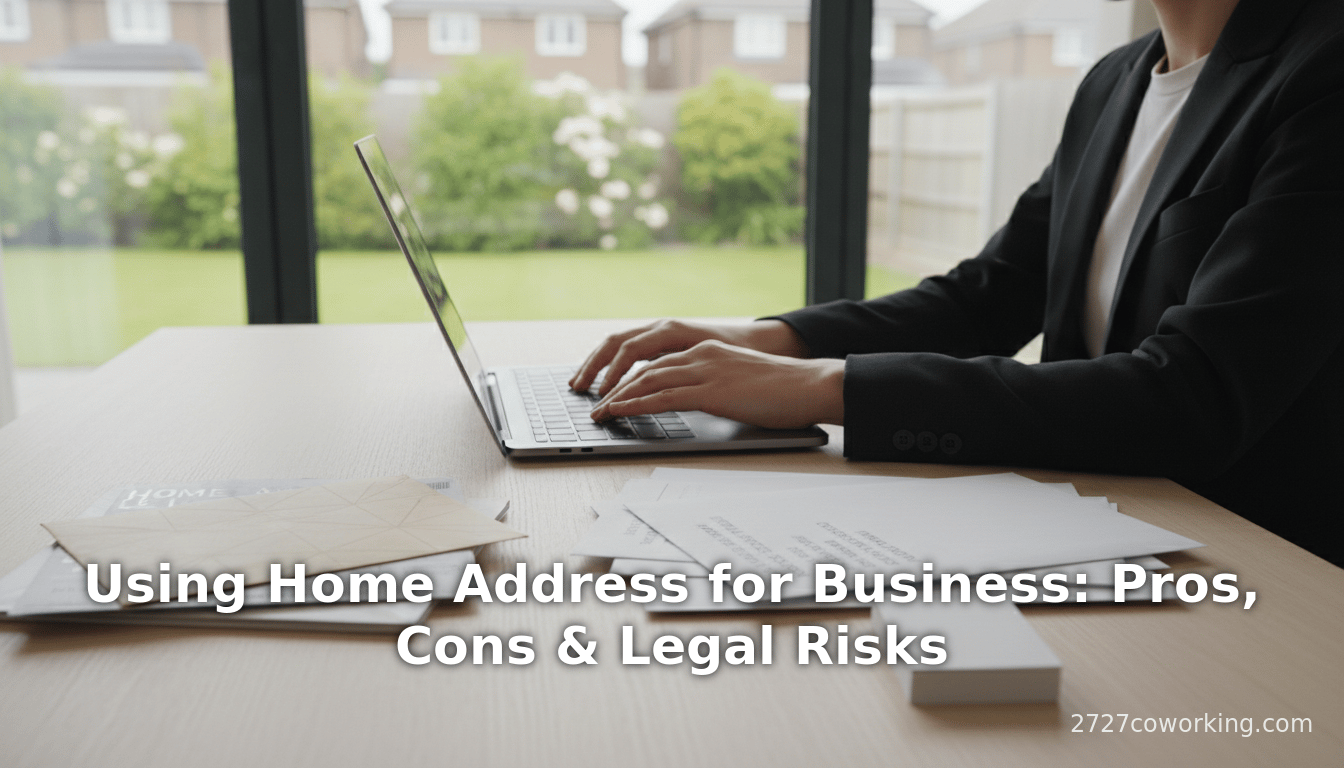
Common Business Mistakes UK Homeowners and Fans Turned Professionals Should Avoid
Common Business Mistakes UK Homeowners and Fans Turned Professionals Should Avoid
Many UK homeowners and enthusiasts start earning from a hobby or side project without realising they are running a business. That shift from “favour” to “paid work” brings real risks and responsibilities.
This guide explains the most common business mistakes people make at home, how to fix them, and simple steps to stay safe and compliant.
Key Takeaways
- Treat paid work, even from home, as a business from day one, with basic records and written terms.
- Separate personal and business money to avoid confusion and tax problems.
- Protect yourself with the right insurance, contracts, and health and safety checks.
- Price using real costs and time, not guesswork or guilt.
- Set simple processes so the business fits your life instead of exhausting you.
Mistake 1: Treating Paid Work Like a Casual Favour
In the UK, if you regularly earn money from services or products, HMRC may view you as running a business, not just helping friends. Many people undercharge, skip invoices, and keep no records because it all feels informal.
This becomes a problem when a client complains, an accident happens on your property, or HMRC asks for evidence of your income. You need a basic business structure, even if you only work evenings or weekends.
“If it looks like a business and earns like a business, treat it like a business – however small it feels.”
Mistake 2: Mixing Personal and Business Money
Using one bank account for food shops, mortgage payments, and client payments makes it hard to track profit and tax. It also hides whether your work is truly sustainable.
Most UK banks offer simple business or “sole trader” accounts, and some digital banks allow quick setup via app. Even a basic separate account gives you a clearer view of income versus costs.
Mistake 3: Pricing on Feel, Not Facts
Home-based and fan-led businesses often price emotionally. They feel guilty charging “proper” rates to neighbours or fans and forget to include time, materials, energy, insurance, software, and tax.
This leads to burnout and resentment. A business that does not pay you fairly is not serving you or your customers in the long term.
Mistake 4: Ignoring Legal, Tax, and Insurance Basics
Many small UK businesses start trading before checking legal duties. Common gaps include no liability insurance, no written contracts, and no registration of self-employment with HMRC.
These are not abstract issues. A client tripping over a cable in your home studio or a damaged item in the post can become an expensive dispute without protection.
Mistake 5: No Clear Boundaries or Processes
When your business lives in your home and your hobby overlaps with your job, boundaries blur. People message at all hours, deadlines drift, and work eats into rest.
Simple processes and agreed expectations protect both your time and your clients’ experience.
Step-by-Step: Turn Your Home-Based Work into a Real Business
Use these steps if you are already earning from your skills, or plan to start.
- Define what you offer. Write one clear sentence describing your service or product and who it is for in the UK (for example, “I provide video editing for small UK YouTube channels”).
- Open a separate account. Set up a dedicated bank account and route all income and business costs through it.
- List your costs and time. Include materials, software, equipment, travel, energy, and your hourly rate, then set prices that cover these with a margin.
- Register with HMRC. If your self-employed income is more than the trading allowance (currently £1,000 a year), register as self-employed on gov.uk and keep simple records.
- Put basics in writing. Create a short terms sheet covering price, payment timing, what is included, and how changes are handled. Send it with every booking.
- Arrange insurance. Look at public liability insurance if clients visit your home, and professional indemnity if you give advice or creative services.
- Set working hours and response rules. Decide when you work, when you respond to messages, and when you rest, then tell clients clearly.
- Review every three months. Check which jobs made money, which drained you, and adjust prices or services accordingly.
Safety and Caution Checklist
Before you invite clients into your home or ship products, run through this brief checklist.
- Have you checked household insurance conditions for business use and informed your insurer if required?
- Are walkways, cables, and equipment in client areas safe and clearly marked?
- Do you have basic written terms, including cancellations and refunds?
- Is customer data (emails, addresses, payment details) stored securely and used in line with UK data protection rules?
- Do you have a simple plan if something goes wrong, such as a complaint or product fault?
Examples: How These Fixes Look in Real Life
A homeowner running a small home bakery in Manchester sets up a separate account, registers with HMRC, and updates her contents insurance to cover business equipment. She now tracks which cakes are profitable and has a clear policy for allergens and cancellations.
A football fan in London offering paid video edits to supporters’ clubs starts using written briefs and sign-off stages. This reduces rework, clarifies who owns the final footage, and supports fair pricing for his time and software costs.
Keeping Your Business Sustainable
A healthy business should support your life, not dominate it. Regularly review your workload, energy, and income, and adjust scope or prices rather than simply working longer hours.
Talk to other UK homeowners and professionals in your field – online forums, local business networks, and trade groups often share practical, region-specific advice on regulations and going rates.
Small, steady improvements in how you run your business will usually beat dramatic, one-off changes. Focus on clarity, safety, and fairness to yourself and your clients.
Clarity in writing comes from structure, not length.