Culture in the Next 12 Months: How Life at Home and Out in the UK is Changing
Key Takeaways
- Rising costs will push more culture into the home, from streaming bundles to local, low‑cost events.
- AI tools will quietly shape what we watch, read, and design, raising new questions about authenticity and jobs.
- Live sport and music will keep getting more expensive, but secondary markets and community venues will matter more.
- Home design will lean towards flexible spaces, energy‑saving upgrades, and small, high‑impact improvements.
- Local identity—neighbourhood venues, regional teams, and UK‑made content—will be used to stand out in a global market.
Streaming, TV and the New “Home Night Out”
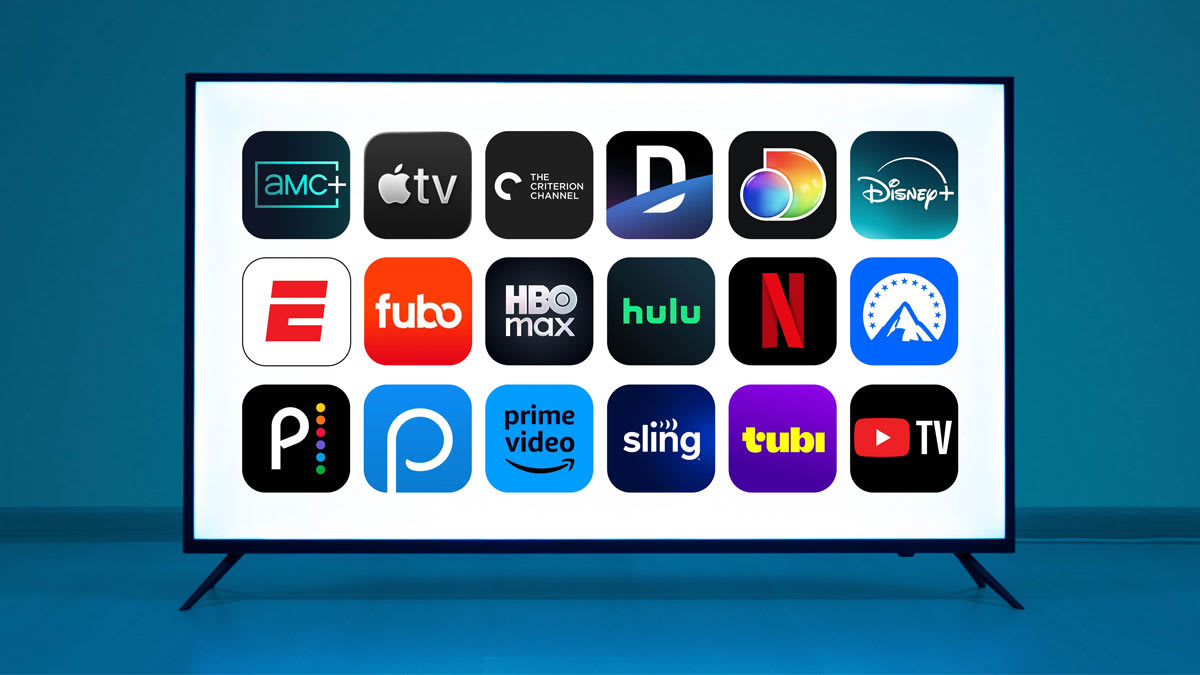
Over the next year, UK households can expect streaming to feel less like a bargain and more like a serious line in the monthly budget. Several major platforms have already raised prices since 2023, and industry analysts expect further increases and tighter password‑sharing rules.
To keep viewers, companies are pushing bundles: TV plus music, or streaming tied to broadband. For many, the big decision will be choosing two or three core services and rotating the rest, treating subscriptions more like utilities than treats.
Content is also shifting. British dramas and limited series are still in demand, but streamers are cutting back on riskier commissions after pandemic‑era spending sprees. That makes it harder for new voices to break through, while familiar franchises, reality formats, and live sport become even more central.
AI, Creativity and the Authenticity Question
AI writing, image, and audio tools are already being used by marketing teams, indie creators, and even major studios. Over the next 12 months, you will see more AI‑assisted content long before you see fully AI‑generated hits topping charts.
For professionals, this is less a distant threat and more a present, practical tool that can handle drafts, subtitles, translations, and visual mock‑ups. The pressure point will be jobs that blend routine and creative work, such as junior copywriting or basic design, where employers may expect higher output from smaller teams.
"The work doesn’t disappear overnight; it changes shape. The risk is that the time saved by AI is not given back to people as creative freedom, but captured as cost‑cutting," notes one London‑based producer speaking at a February 2026 media conference.
For audiences, the cultural question is trust. Labels like “AI‑assisted” and “human‑made” may become selling points, especially for music, literature, and visual art. Expect more debate over training data, consent, and how royalties should be shared when AI tools learn from existing work.
Sport, Music and the Price of Showing Up
Football, cricket, rugby, and Formula 1 remain central to UK cultural life, but live attendance is becoming a luxury. By the 2025–26 seasons, ticket prices across major leagues had risen well ahead of wage growth, and travel and food costs add further strain.
In response, more fans are organising around local pubs, community clubs, and fan‑run screenings, especially in smaller towns where big‑screen match nights can feel like local events. Rights deals that move fixtures between platforms will keep frustrating viewers, but they also drive people back to shared spaces when TV access is patchy.
The same pattern shows up in music. Arena tours from global acts are selling out, yet the grassroots venue network remains fragile after years of rising rents and thin margins. Over the next year, watch for more “micro‑tours” where artists combine major city shows with smaller, cheaper nights in community halls, churches, and refurbished working men’s clubs.
Home as Cultural Hub: How UK Households Are Adapting
With travel, tickets, and nights out all costing more, the home is quietly becoming the main cultural venue. This is not just about bigger TVs. It includes small upgrades like decent speakers, blackout curtains for film nights, and flexible furniture that can turn a living room into a viewing space, a workspace, or a kids’ play area.
Homeowners planning renovations over the next 12 months are likely to prioritise functional changes: better insulation, efficient heating, and storage that frees up space for everyday living rather than formal entertaining. Mortgage and energy pressures encourage smaller, staged projects instead of grand makeovers.
For culture professionals, this shift means thinking about the home as the default venue. Livestreamed events, interactive Q&A sessions, and formats that work well on a laptop or tablet will remain important, not just as add‑ons but as core offerings.
Local Culture and Neighbourhood Identity
One of the quieter trends of the last few years has been the revival of local culture: independent cinemas, small galleries, pop‑up theatre, and mutual‑aid style projects. In the next 12 months, councils under pressure and tight arts budgets will make this more precarious, but also more necessary.
Neighbourhood identity is becoming a practical asset. Areas that can point to an active local calendar, from food festivals to Sunday leagues, are more attractive to buyers and renters. For homeowners, involvement in these networks can strengthen community ties and add a sense of rootedness that no streaming library can provide.

Practical Ways to Prepare and Participate
- Review your media spending every few months. Rotate streaming services and use free trials and public broadcasters to keep costs sensible.
- Set a modest annual budget for live events, then choose a mix: one big match or concert, plus several cheaper local nights.
- Plan one or two home upgrades that support how you actually live—better lighting, storage, or a multi‑use room—rather than chasing trends.
- If you work in culture, build AI literacy now. Test tools on low‑risk tasks and stay informed about your organisation’s policies.
- Support at least one local venue or group, whether through membership, volunteering, or simply showing up regularly.
Looking Ahead
Over the next 12 months, culture in the UK will be shaped by pressure on wallets, rapid shifts in technology, and a renewed focus on the places we actually live. The result is not a collapse of shared culture but a rebalancing between the global and the local, the arena and the living room.
For homeowners, fans, and professionals alike, the challenge is to be deliberate: about what you pay for, what you bring into your home, and which communities you invest your time in. Culture is still something we build together; the tools and venues are simply changing.
Clarity in writing comes from structure, not length.