Home in 2026: How UK Living Spaces Are Quietly Changing
Home in 2026: How UK Living Spaces Are Quietly Changing
Across the UK, the idea of “home” is shifting. Prices, planning rules, energy targets, and work habits are all pushing houses and flats to work harder than before.
Key Takeaways
- Energy efficiency and low‑carbon heating are now central to home value, not a niche extra.
- Flexible, multi‑use rooms are replacing dedicated home offices and formal dining rooms.
- Quiet, hidden technology is growing faster than flashy smart gadgets.
- Outdoor space, even small balconies, is treated as part of the living area, not a bonus.
- Regulation—from EPC rules to planning changes—is shaping what gets built and upgraded.
Energy, Bills, and the New ‘Good Enough’ Home
After the 2022–2023 energy price spikes, UK households became more alert to running costs. Even as prices stabilised, the memory of sudden bill shocks has stayed in the market.
By 2026, buyers and renters look more closely at Energy Performance Certificates (EPCs), insulation, and heating systems. A home can still sell with a poor rating, but it now tends to sit longer on the market or attract heavier negotiation.
For many owners, the question is no longer “Should I upgrade?” but “What’s the smallest upgrade that actually changes my bills?”
This has pushed demand for mid‑range improvements: loft insulation instead of full retrofits, better controls rather than full rewires. It is the era of the “good enough” upgrade—practical, staged, and budget‑aware.
The Slow Pivot Away from Gas
The UK government’s net‑zero goals and phased rules on new‑build heating are nudging homes away from gas. Heat pumps are still unevenly adopted, but they are no longer exotic; they show up in mainstream listings for new estates in England, Wales, and Scotland.
Hybrid systems—heat pumps supported by existing boilers or electric heaters—are common in older homes. Installers who can design these mixed systems are in high demand, especially in drafty Victorian and inter‑war stock.
For professionals, the shift is as much about skills as hardware. Electricians, plumbers, and energy assessors who can explain running costs in plain language often win work over those who only quote kit and kilowatts.
Flexible Rooms, Not Just Home Offices
Lockdown‑era dedicated home offices are giving way to more flexible spaces. Hybrid work is still common in many UK sectors, but five days at the same kitchen table now feels dated.
Instead, households are carving out adaptable corners: a fold‑down desk in a spare room, or a box‑room that works as office by day and guest space by night.
Design choices follow this trend. Built‑in storage, good task lighting, and sound‑absorbing materials matter more than statement desks. Landlords increasingly advertise “workable” spaces, not full offices, to keep appeal broad.
Tech That Disappears Into the Background
Smart homes in 2026 look less like gadget showrooms and more like ordinary houses with better controls. Many owners now own a mix of devices bought over several years, so the priority is making them work together simply.
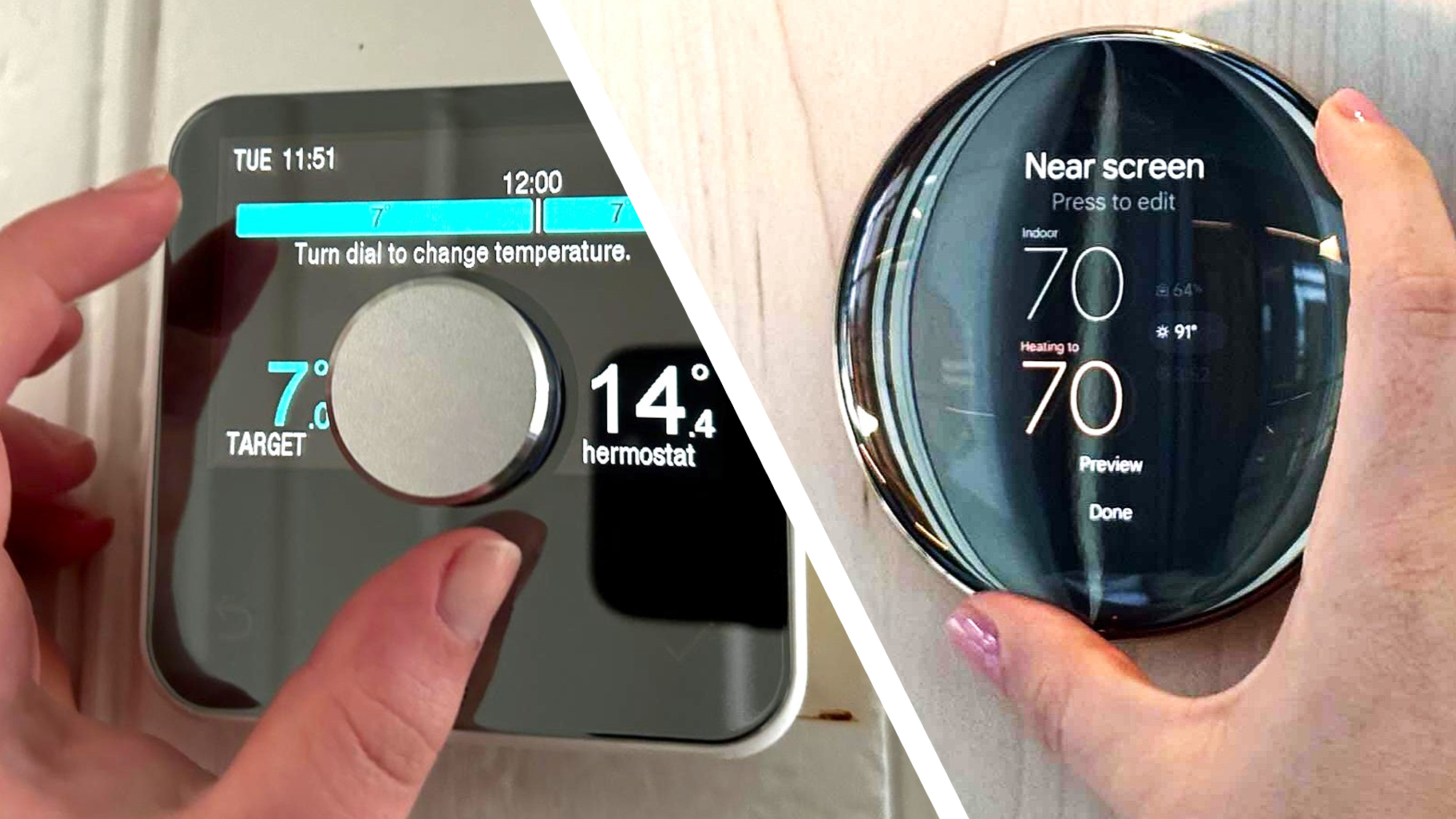
Smart thermostats, radiator valves, lighting scenes, and security cameras remain popular, but the real shift is toward automation that does not need constant tapping. Routines tied to sunrise, occupancy, or energy tariffs are becoming normal in tech‑comfortable households.
- Motion‑sensing hallway lights reduce wasted energy.
- Thermostats pre‑heat rooms only when phones or key fobs show someone is close to home.
- Smart plugs help manage older appliances without full replacement.
Privacy concerns are still present, especially around cameras and voice assistants. UK homeowners often favour local storage options and clear off‑switches over always‑on listening devices.
Small Gardens, Balconies, and the Push Outdoors
After years of people discovering the value of even tiny outdoor space, developers now treat balconies and shared courtyards as core selling points. In cities like London, Manchester, and Birmingham, a usable balcony can offset a smaller living room.
For existing homes, the trend is toward low‑maintenance but purposeful outdoor areas. Raised beds, compact sheds, and weather‑proof seating turn narrow terraces into practical extensions of the home.
What This Means for UK Homeowners and Professionals
For owners, the main shift is strategic. Rather than chasing every trend, the focus is moving to a short list of upgrades that affect everyday comfort, bills, and resale value.
For professionals—architects, surveyors, agents, and trades—the winning approach is pragmatic guidance backed by clear numbers and realistic timelines. People want to know which change to make first, what it will cost, and how disruptive it will be.
The most valuable home advice in 2026 is not about the future in general, but about the next 24 months in one specific property.
In that sense, the story of the UK home in 2026 is less about radical reinvention and more about steady adaptation. Room by room, upgrade by upgrade, houses and flats are being tuned to a new mix of pressures and expectations.
Clarity in writing comes from structure, not length.