
How to Build a Home Culture That Actually Matches Your Values
How to Build a Home Culture That Actually Matches Your Values
Every home has a culture, whether anyone planned it or not. It shows up in how you talk to each other, how you handle money, and even what happens on a rainy Sunday afternoon.
Key Takeaways
- Home culture is the pattern of everyday choices, not a slogan on the wall.
- Being specific about your values makes decisions faster and arguments shorter.
- A simple set of shared “house rules” works better than a long, vague wishlist.
- Regular check-ins keep your culture alive as careers, kids, and costs change.
What “Culture” Really Means at Home
At work, culture is often written in policy documents. At home, it is whatever actually happens at 7:30 on a Tuesday night.
Think of culture as the default setting of your household: the usual tone of voice, the way mistakes are handled, and how you respond when plans fall apart. You already have a culture; this guide helps you shape it on purpose.
Step-by-Step Playbook for Shaping Your Home Culture
-
Notice your current patterns.
For one week, simply observe. When do tensions rise? When do you feel most connected? Jot down quick notes on your phone after key moments: meals, bedtimes, bills, visitors.
-
Choose three core values, not ten.
With everyone in the home who is old enough to join in, each person picks three values that matter most (for example: respect, calm, learning, fairness, hospitality). Then agree on a shared top three.
You are not banning other values, just choosing priorities for tough trade-offs, like when to say yes to overtime or how many evenings get lost to screens.
-
Translate values into visible behaviours.
Values mean little without examples. For each value, list two or three concrete actions that anyone could see.
For instance, if you choose “respect”, you might agree: no shouting from room to room, no talking over someone in front of guests, and phones away during serious conversations.
-
Agree simple “house agreements”.
Turn those behaviours into a short list of agreements. Keep them in plain language and under one page.
Print them and stick them somewhere low-key but visible, like the side of the fridge or a noticeboard in the hall.
-
Design a few daily and weekly rituals.
Rituals turn ideas into habits. In many UK homes, this can be as modest as a shared cup of tea after work, phones away on Sunday lunch, or a regular “money Monday” to look at bills together.
Choose rituals that fit your schedule and energy, not an idealised version of your life.
-
Create calm ways to handle conflict.
Conflict is part of any close relationship. Decide in advance how you will argue: perhaps no late-night showdowns, a short cooling-off period after harsh words, and a rule that practical problems get written down and tackled at an agreed time.
This stops every disagreement from becoming a full referendum on the whole relationship or the state of the household.
-
Protect your environment.
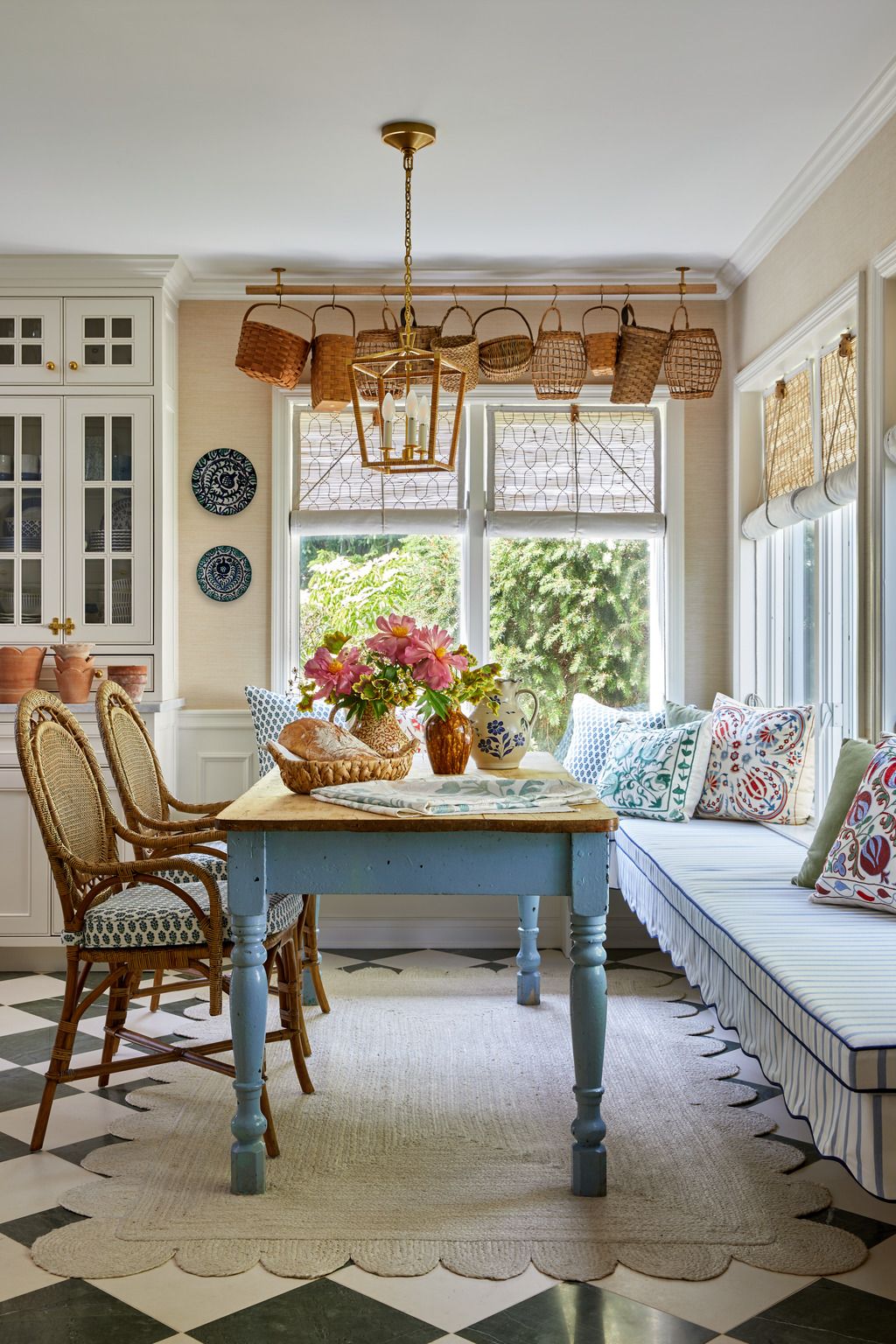
The physical state of a home shapes its culture. A hallway piled with parcels and school bags urges people to rush; a small, tidy corner with decent light invites reading or quiet conversation.
Choose one or two “anchor spaces” to keep consistently welcoming, even when the rest is messy: perhaps the kitchen table and one sofa.
-
Review and adjust every few months.
Job changes, energy bills, ageing parents, children becoming teenagers — each shift strains a household. Put a brief “culture check” in the calendar three or four times a year.
Ask: What is working? What feels heavy? Which agreement needs changing? Then update the list and carry on.
Short Safety and Caution Checklist
- Do not use “culture” as a cover for control or financial secrecy; major decisions should be transparent.
- Watch for signs of emotional or physical abuse; a healthy culture never requires fear or isolation.
- If conflicts feel unmanageable, consider a mediator, counsellor, or trusted third party rather than trying to handle everything alone.
- Be careful with alcohol and substances in the home; they can quietly erode even the best-intentioned culture.
Including Guests, Tenants, and Remote Work
Many UK homes now double as workplaces or include lodgers, adult children, or long-term guests. Culture needs to stretch without snapping.
Offer newcomers a short, friendly summary of how your home works: quiet times, kitchen use, visitors, and shared costs. This is not being fussy; it is respectful and prevents misunderstandings.
“The strongest home cultures are not the strictest; they are the clearest and the kindest.”
Keeping Culture Real, Not Perfect
No home lives up to its ideals every day. People get tired, trains are delayed, and tempers flare.
The aim is not perfection but direction. When you know the culture you want, you can apologise faster, reset more cleanly, and make choices that support the kind of home you actually wish to live in.
Clarity in writing comes from structure, not length.