Innovation at Home: 2026 Trends and What They Mean for UK Households
Innovation at Home: 2026 Trends and What They Mean for UK Households
Key Takeaways
- Innovation in 2026 is shifting from showy gadgets to practical changes that cut bills, improve health, and use space better.
- Homes are being reshaped by natural light, indoor–outdoor layouts, clean materials, and smart systems that actually learn from daily routines.
- Energy tech, from solar to home batteries, is moving from early adopters into the mainstream, especially as UK weather grows more extreme.
- Home fitness and bathroom tech are turning ordinary rooms into personalised wellness spaces.
From “Nice-to-Have” to “Need-to-Have” Innovation
Innovation at home in 2026 looks different from the glossy smart-home promises of a decade ago. UK homeowners are now looking for upgrades that clearly pay off in comfort, health, and running costs.
Mortgage costs remain a concern, but Bank of England data shows mortgage arrears dipped slightly in early 2026, suggesting some households have a little room to invest. The focus is on targeted improvements, not wholesale rebuilds.
Light, Layout, and Biophilic Design
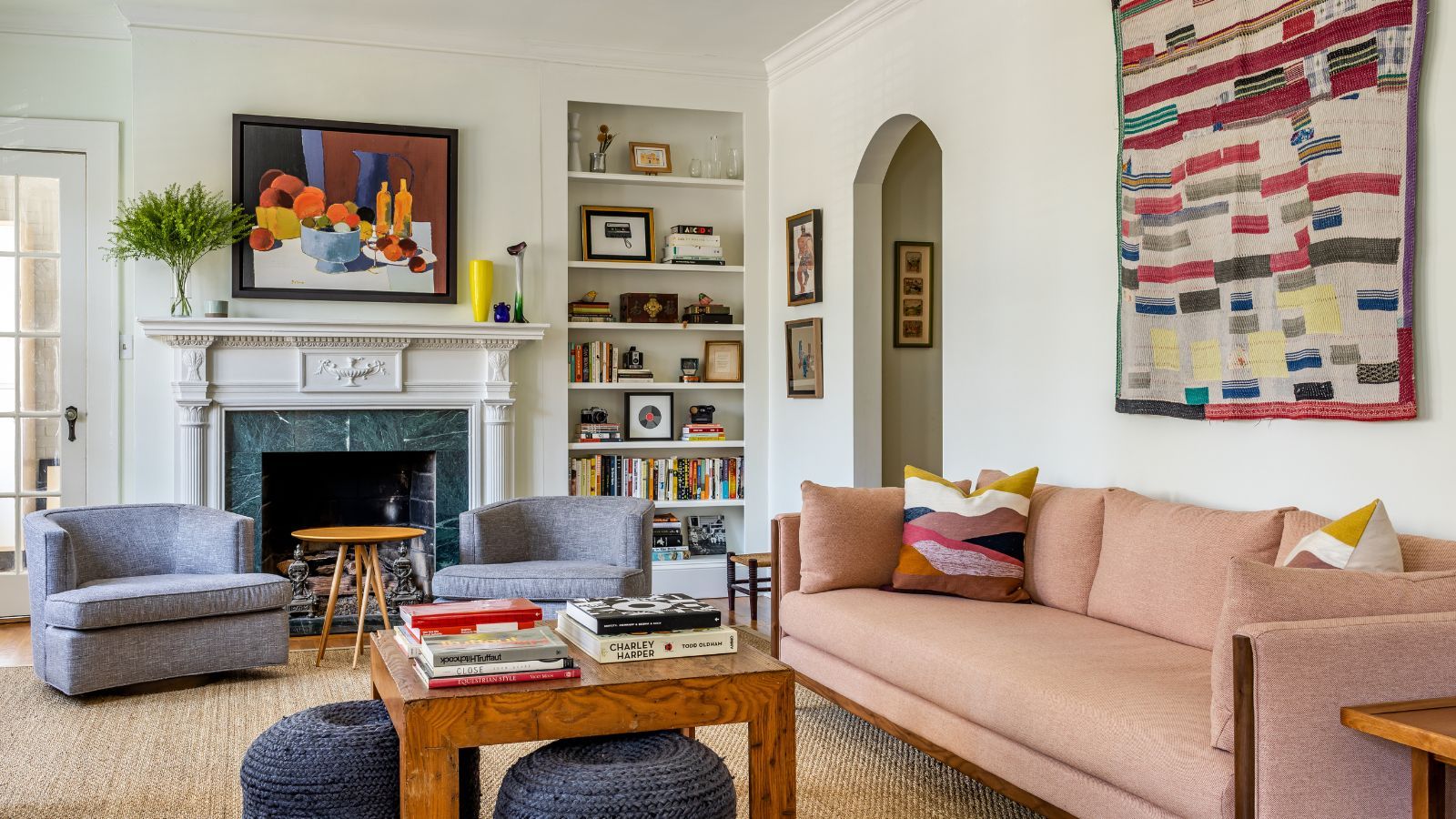
One of the clearest trends is towards larger window openings and layouts that pull more daylight into the home. UK installers report growing demand for floor-to-ceiling glazing and slim-frame doors that open entire walls to the garden.
This is part of a broader move to biophilic design, which aims to reconnect daily life with nature. More households are combining bigger windows with simple additions such as indoor plants, natural wood finishes, and uninterrupted garden views.
“The blurred lines between indoor and outdoor spaces have revolutionised architectural designs,” notes one 2026 trend report, as homeowners seek a continuous flow between kitchen, living room, and garden.
Indoor–Outdoor Living, Even in UK Weather
Indoor–outdoor living used to sound like a Mediterranean fantasy. In 2026, UK households are adapting the idea to a stop-start climate with covered patios, pergolas, and hybrid spaces that work in rain as well as sun.
Sliding or bifold doors, level thresholds, and the same flooring inside and out are becoming common in extensions. The goal is less about “summer lifestyle” and more about practical flexibility: a space that can shift from office to playroom to dining area as needed.
Energy Innovation: Solar, Batteries, and Resilience
Solar panels are no longer a niche choice, and pairing them with home battery systems is the next logical step. UK homeowners can now generate power on-site, store it in a wall-mounted battery, and use it in the evening or during peak tariffs.
Guides published in May 2026 stress three benefits: lower bills, better use of self-generated power, and greater resilience during grid disruptions. The exceptionally wet start to 2026, with Northern Ireland recording its wettest January in 149 years, has sharpened interest in resilience as flooding and storms hit infrastructure.
- Who it suits: homes with decent roof space and high electricity use.
- What to check: roof condition, local planning rules, and tariff options for exporting surplus power.
- Payback: still varies widely, but rising energy prices make careful calculations more attractive.
Smart Homes Grow Up: From Gimmick to Infrastructure
Smart tech in 2026 is less about asking a speaker for the weather and more about joined-up systems. Lighting, heating, blinds, and security can now be managed through hubs that learn patterns and adjust automatically.
Energy-efficient windows, smart thermostats, and sensors work together to cut waste. For homeowners, the most useful innovation is often invisible: radiators that warm up only where people actually are, or blinds that close as the sun hits the glass on hot days.
Wellness at Home: From Smart Toilets to Spa Bathrooms
Bathrooms are becoming quiet laboratories of innovation. According to Renub Research, the UK smart toilet market is projected to more than double between 2025 and 2034, driven by interest in hygiene, water efficiency, and health data.
Features once seen only in high-end hotels—heated seats, automatic flushing, bidet functions, and self-cleaning bowls—are trickling down into mid-range renovations. At the same time, spa-style showers, improved ventilation, and non-toxic finishes are used to reduce mould and support better respiratory health.
The Rise of the Smart Home Gym
The home fitness equipment market is estimated at around $12–13 billion worldwide in 2026, growing roughly 5–7% a year. North America leads, but UK homeowners are following similar patterns, especially in smaller properties.
Space-saving, foldable, and multi-use machines are popular in spare rooms and converted lofts. Many treadmills, bikes, and strength systems now ship with built-in screens, app integration, and AI features that adjust resistance or highlight poor form.
For time-poor professionals, this kind of innovation matters less for novelty and more for consistency: a 25-minute guided session in the next room is easier to fit in than a gym commute.
The Construction Backdrop: Doing More with Less New Build
UK construction data suggests private housing output is under pressure, with forecasts pointing to a fall of about 7% in 2026 and flat growth into 2027. New private housing accounted for roughly 17.9% of total UK construction output in 2024.
With fewer new homes coming through the pipeline, more households are focusing on upgrading what they already own. That makes renovation-led innovation—smarter layouts, energy upgrades, and modular add-ons—more important than headline-grabbing new housing schemes.
Planning Your Next Move
For UK homeowners and professionals, the most useful question to ask in 2026 is simple: which innovation gives this property the biggest improvement per pound spent? The answer will be different for a Victorian terrace, a 1990s estate house, or a new-build flat.
A practical approach is to prioritise in this order: safety and resilience, energy and running costs, light and layout, and finally lifestyle tech such as fitness and bathroom upgrades. Taken together, these trends show a quiet shift in what “innovation” means at home—from novelty to necessity.
Clarity in writing comes from structure, not length.