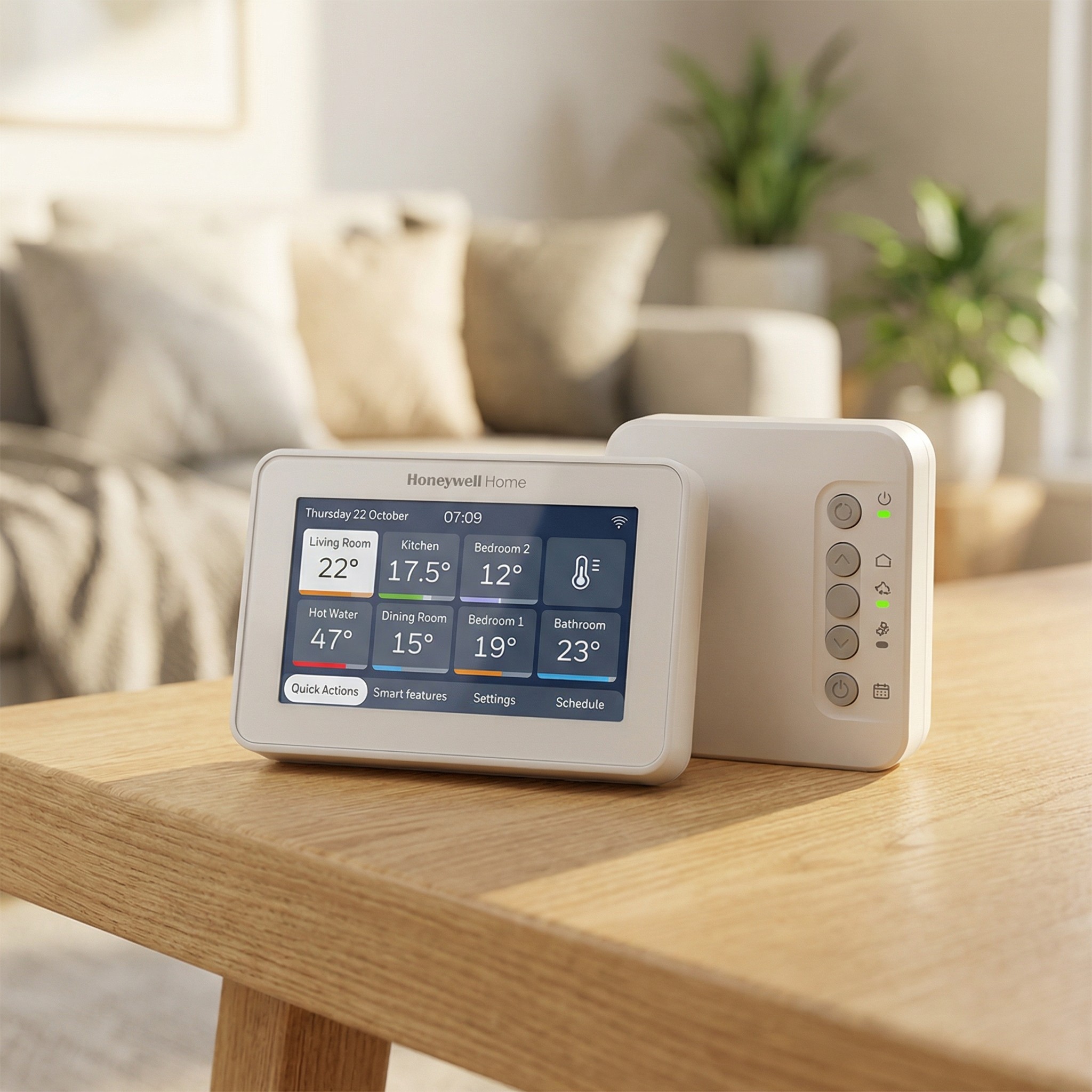
Innovation at Home: How Small Experiments Change the Way We Live
Innovation at Home: How Small Experiments Change the Way We Live
When people hear the word "innovation", they often picture Silicon Valley, whiteboards, and big funding rounds. But a lot of meaningful innovation now happens in ordinary homes, shaped by real problems and tight budgets.
For UK homeowners, fans of design and tech, and working professionals, the home has quietly turned into a test lab. From energy-saving devices to DIY smart setups, everyday choices are steering what products succeed in the wider market.
Key Takeaways
- Innovation is less about big ideas and more about solving specific, everyday problems.
- UK homes are driving change in energy use, home working, and care technology.
- Simple experiments, done safely and cheaply, often beat expensive overhauls.
- Documenting what works in your own home can influence local policy and product design.
What Innovation Really Means (Without the Buzzwords)
In policy papers and corporate decks, innovation sounds abstract. In practice, it is surprisingly plain: trying a better way of doing something, then keeping it if it works.
That could be a builder testing a new insulation material on one job before recommending it widely. Or a family using a £30 timer switch to cut energy use, then persuading neighbours to copy the idea. The scale is small, but the learning is real.
Innovation is not the moment you buy a gadget. It is the cycle of testing, observing, adjusting, and sharing what you learned.
The UK Home as a Test Lab
Over the past decade, UK homes have quietly absorbed wave after wave of new tech: smart meters, video doorbells, connected thermostats, and voice assistants. Some devices stayed; others now sit in drawers.
What makes certain ideas stick is not novelty. It is whether they respect the realities of British life: older housing stock, mixed broadband quality, and shared walls where noise and privacy matter.
Three Everyday Areas Where Innovation Matters
1. Energy and Comfort
With energy prices volatile and climate targets tightening, many households are experimenting with small changes before committing to big upgrades like heat pumps or solar panels. These trials may look modest, but they generate useful data.
- Smart thermostats that learn heating patterns in draughty terraces.
- Room-by-room electric heaters paired with usage tracking plugs.
- Window film, heavy curtains, and DIY draught-proofing compared over a winter.
The most valuable insight often comes from tracking and sharing results: noting bills, comfort levels, and maintenance costs over time, rather than judging after a single cold week.
2. Working and Learning from Home
Since the early 2020s, the UK has seen a persistent rise in hybrid work. Kitchens, spare rooms, and attics now double as offices and classrooms.
The innovative part is not just buying ergonomic chairs. It is how people redesign routines and spaces: using folding desks to reclaim rooms in the evening, zoning Wi-Fi so work calls stay stable while children stream in another room, and using acoustic panels or bookshelves to reduce noise in terraced houses.
3. Care, Health, and Aging in Place
As the population ages, more people are trying to support parents and relatives at home rather than in institutions. Here, innovation can be sensitive and slow, because dignity and autonomy come first.
Simple devices such as fall-detection sensors, medication reminders, and video check-ins are being tested by families long before they appear in glossy adverts. Each home experiment helps to reveal what feels respectful, what is intrusive, and where the line should be.
How to Innovate in Your Own Home (Safely and Sensibly)
Turning your home into a small test bed does not require big spending. It does call for clear thinking and some discipline.
- Start with one problem. For example, "Our heating bill is too high" or "The spare room is unusable for video calls." Avoid changing everything at once.
- Set a boundary. Decide in advance how much time and money you are willing to risk for this trial.
- Measure something. Use simple metrics: monthly bills, hours of noise, number of arguments about space, or sleep quality.
- Run a trial period. Treat it like a four-week experiment. At the end, decide to keep, tweak, or abandon the change.
This small, structured approach mirrors what good product teams do. It reduces regret and helps you spot which changes are genuinely worth scaling up.
From Private Experiment to Public Influence
Individual experiments do not stay private for long. Builders talk to clients, neighbours swap tips over fences, and online forums share detailed breakdowns of costs and results.
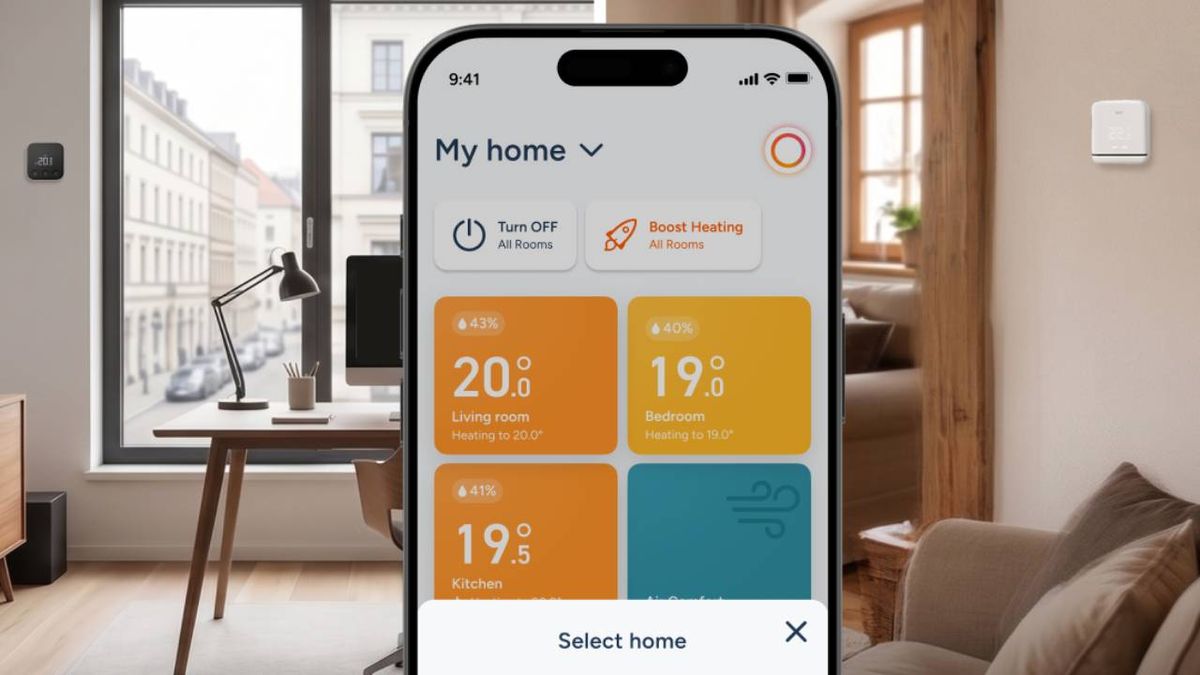
Manufacturers and local councils watch these patterns. When enough residents show that a small grant for insulation or a subsidy for low-carbon heating actually works in lived conditions, policies shift. Quiet household tinkering can end up changing building regulations or retrofit schemes.
Why Fans and Professionals Both Matter
Home tech enthusiasts often spot options early, testing devices in less-than-ideal conditions. Professionals—plumbers, electricians, architects, carers—then decide which of these ideas are robust enough for the average client.
The most useful innovation happens when these groups listen to each other. Fans bring curiosity and speed; professionals bring standards and safety. UK homeowners are in the middle, choosing which experiments to welcome over their thresholds.
A Quiet, Practical Future
Innovation at home is not a dramatic revolution. It is the steady habit of asking, "Could this be better?" and then testing an answer on a small scale.
For UK households, that mindset may matter more than any single gadget. The tools will change, but the skill of thoughtful experimentation will keep paying off—in warmer rooms, lower bills, calmer workdays, and homes that adapt as lives change.
Clarity in writing comes from structure, not length.