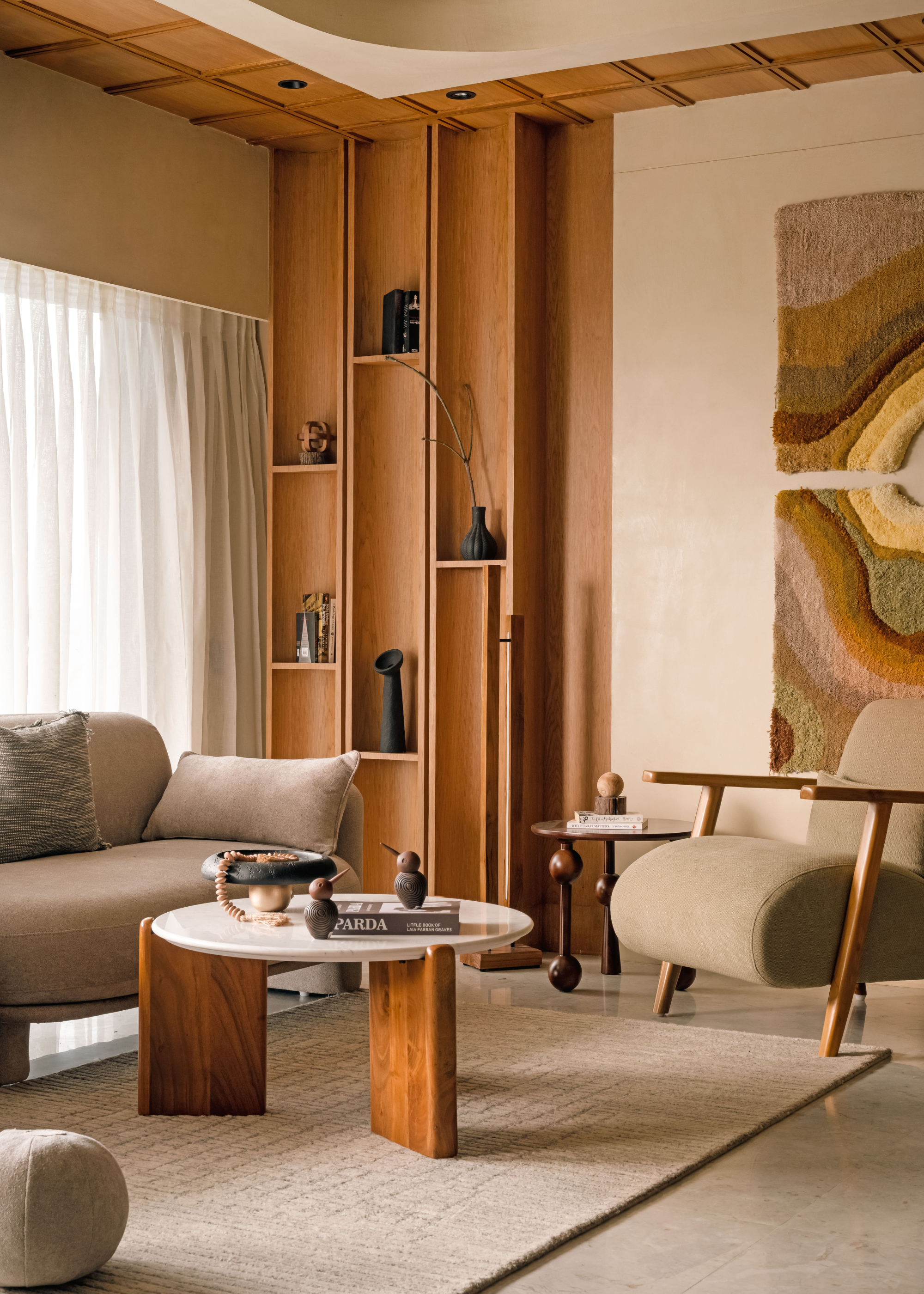
Innovation at Home: The 2026 Trends Redefining How the UK Lives
Innovation at Home: The 2026 Trends Redefining How the UK Lives
Innovation in 2026 is not about flashy gadgets for their own sake. Across the UK, it is about making homes healthier, cheaper to run, and easier to live in day to day.
Key Takeaways
- Home innovation is shifting from cosmetic upgrades to health, energy, and long-term value.
- Biophilic design and larger, efficient windows are bringing more daylight and greenery into UK homes.
- Smart, sustainable window treatments and materials are making light control and privacy more intelligent.
- Energy efficiency is now driven by cost-of-living pressures as much as climate concerns.
- Wellness-focused layouts are turning bathrooms, bedrooms, and living spaces into recovery zones from stressful urban life.
Innovation Starts at the Window
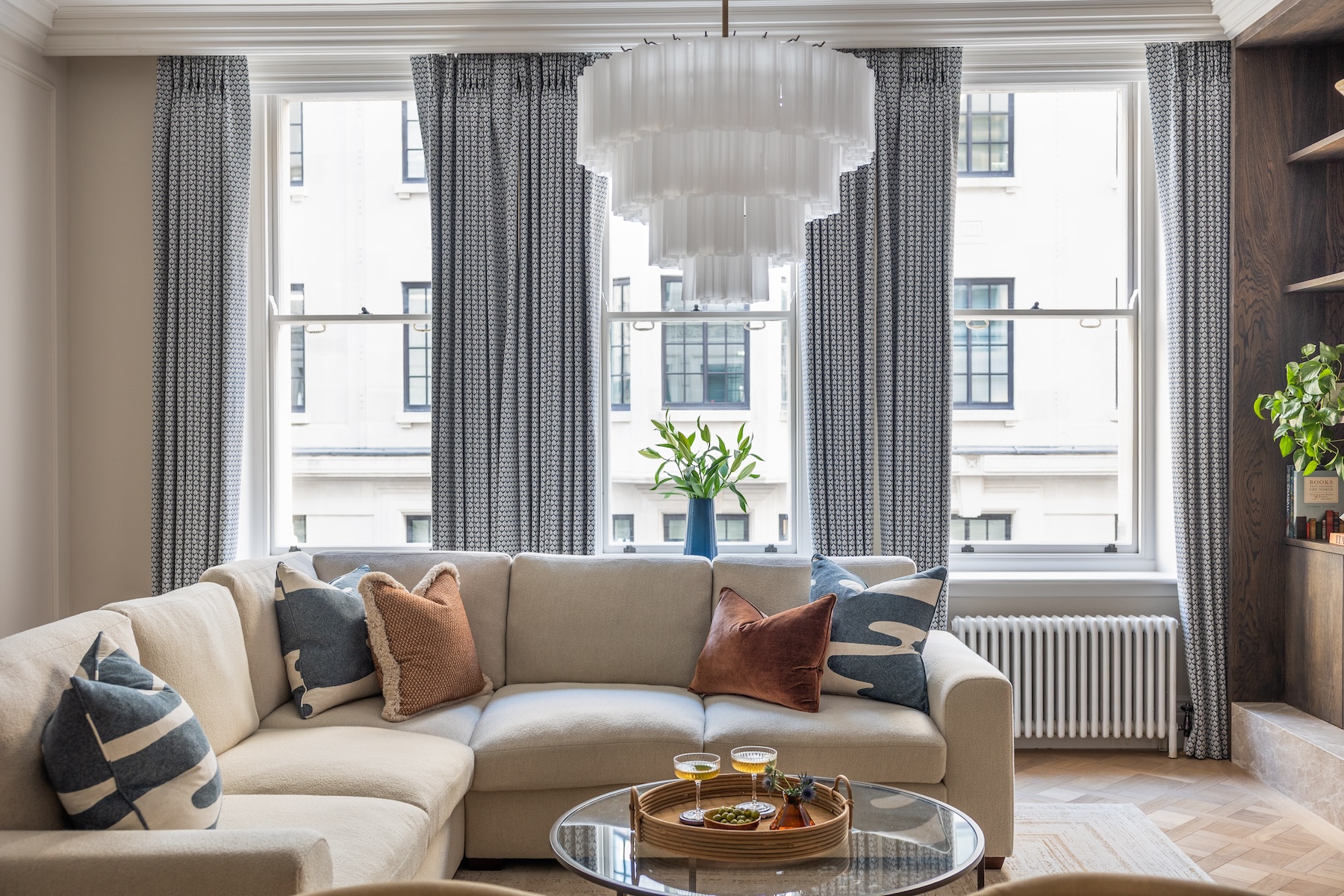
One of the clearest innovation stories in 2026 runs along the edges of your walls: the windows. UK installers report rising demand for larger openings and high-performance glazing that reduce heat loss while drawing in more daylight.
Biophilic design — building in a stronger connection to nature — is driving this shift. In practice, that means wider frames, slimmer sightlines, and garden-facing glass that turns cramped rooms into brighter, calmer spaces.
Smart Shutters and Blinds: Quiet Innovation
In North London and beyond, plantation shutters and advanced blinds are becoming a test bed for subtle innovation. 2026 designs favour sustainable materials such as reclaimed wood and eco-friendly composites, chosen as much for durability as for their carbon footprint.
Minimal profiles, clean lines, and integrated motorisation are now common in new installations. Homeowners are asking for light and privacy control that works with one button press or a phone app rather than a dangling cord.
“The most interesting innovation we see this year isn’t showy,” a North London shutter installer explained. “It’s homeowners saying: ‘Give me something that looks simple but works hard in the background.’”
Energy Efficiency: Innovation Under Cost Pressure
Innovation in 2026 is shaped by the uncomfortable maths of UK housing costs. Rising insurance, taxes, and borrowing costs have made the old idea that housing should stay under 30% of income look outdated.
As a result, energy-efficient upgrades are no longer a niche interest. High-spec windows, improved insulation, smart thermostats, and efficient heating systems are being treated as essential defences against unpredictable bills.
- Upgraded glazing and sealing to reduce drafts and condensation.
- Heat pumps and hybrid systems in place of older boilers where budgets allow.
- Room-by-room smart controls so unused spaces are not heated all day.
Wellness-Focused Layouts: Homes as Recovery Spaces
After years of blurred boundaries between work and home, 2026 design trends show a push back. Homeowners are carving out spaces that help them recover, not just function.
We see spa-like bathrooms with better ventilation, low-toxin materials to improve indoor air quality, and quieter corners designed for reading or stretching rather than remote meetings. The innovation here is often in the plan, not the product.
Customisation as Standard, Not Luxury
Another 2026 shift is the expectation that almost everything can be tailored. From shutter sizes and colours to modular storage and flexible lighting, homeowners expect products to fit awkward Victorian bays as easily as new-build flats.
Digital tools make this easier. Online configurators and augmented reality previews help people see how a bold green shutter or a floor-to-ceiling window will look before they commit.
What This Means for UK Homeowners and Pros
For homeowners and fans of home design, the message is straightforward: focus on changes that earn their keep in comfort, health, and running costs. That often means starting with windows, shading, insulation, and layout before decorative extras.
For professionals, from installers to designers, innovation in 2026 is as much about explaining options as supplying products. Those who can translate technical features into clear benefits — warmer rooms, lower bills, cleaner air — will shape how the next generation of UK homes feels from the inside.
Clarity in writing comes from structure, not length.