
Innovation at Home: What It Really Costs—and What You Get Back
Innovation at Home: What It Really Costs—and What You Get Back
Innovation is often sold as a magic fix: smarter, greener, cheaper. For UK homeowners and housing professionals, the reality is more complicated. Costs are upfront and visible; returns are slower and harder to calculate.
Key Takeaways
- Most home innovations bring value through lower bills, higher comfort, and sometimes better resale price—not just gadget appeal.
- Payback periods in the UK typically range from 3 to 15 years, depending on the technology and energy prices.
- Grants, tax rules, and local planning decisions can make or break the return on investment.
- The best projects start with the basics: insulation, airtightness, and simple controls.
What Do We Mean by Innovation in the Home?
In housing, innovation is less about futuristic tech and more about better ways to use energy, space, and materials. Think heat pumps, solar panels, battery storage, and smart heating controls, rather than sci‑fi kitchens.
For professionals, innovation also includes new build methods such as modular housing and off‑site construction. These can reduce labour time and errors on site, but they also change where the costs fall in a project.
The Cost Side: Upfront, Hidden, and Ongoing
Most innovative kit is capital intensive. A typical air‑source heat pump in a UK three‑bed semi can run from £7,000 to £13,000 installed, depending on the state of the existing system and insulation level. Solar PV on a typical roof might add £4,000 to £7,000 to that bill.
Hidden costs matter. Upgrading radiators for low‑temperature heating, improving loft or cavity insulation, or reinforcing a roof for panels can add thousands. There are also “soft costs”: design time, planning advice, and any disruption to tenants or family life.
In home innovation, the hardware is only half the story. The other half is design, installation quality, and how people actually live with the system.
Ongoing costs can fall or rise. Some innovations cut maintenance; others require annual servicing, software updates, or subscriptions. When you add these to financing costs, the true price of innovation becomes clearer.
How to Think About ROI: Beyond a Simple Payback
Return on investment for home innovation is often framed as simple payback: years until savings equal the upfront cost. This is a start, but it misses three big factors: comfort, risk, and future proofing.
For example, a heat pump may take 10–15 years to “pay back” if installed in a modestly insulated home at today’s electricity and gas prices. But it also cuts local air pollution, stabilises running costs when gas prices spike, and supports the UK’s net‑zero policies that are likely to tighten over time.
Innovation Case Studies: Typical Costs and Returns
Figures vary by region, supplier, and energy tariff, but recent UK project data and installer quotes suggest the following ranges:
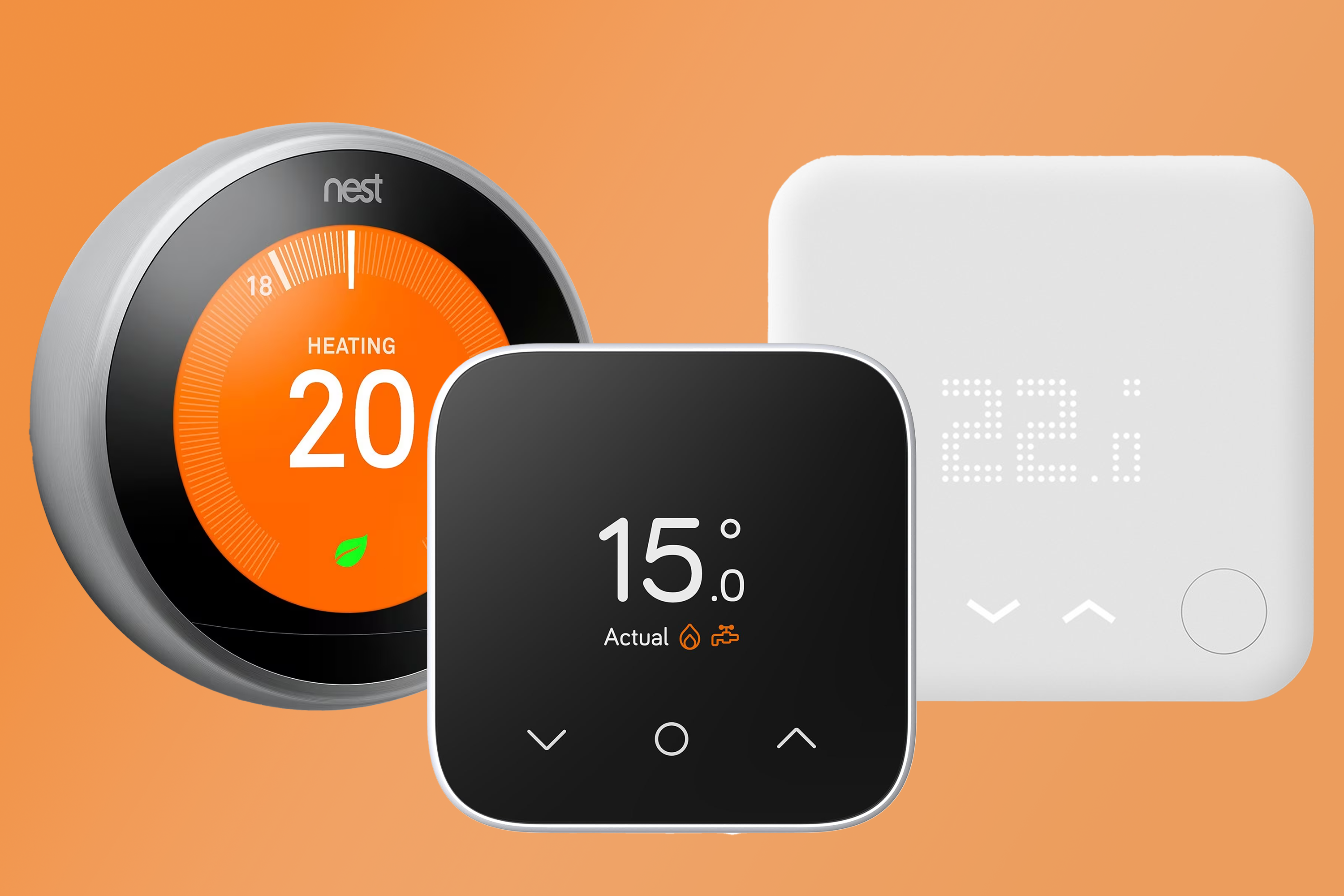
- Smart heating controls (e.g. zoned thermostats): £200–£800 installed, with 5–15% gas saving. Payback often under 5 years in a typical gas‑heated home.
- Solar PV (3–4 kWp): £4,000–£7,000 installed, bill savings of £400–£800 a year depending on use and export tariff. Payback commonly 7–12 years.
- Battery storage: £3,000–£6,000, useful where daytime use is low. ROI depends heavily on time‑of‑use tariffs and grid export rules.
- Air‑source heat pump: £7,000–£13,000, with wide variation in running costs. Works best in well‑insulated homes with low‑temp radiators or underfloor heating.
- Fabric‑first upgrades (loft, cavity, draught‑proofing): £500–£3,000 with 10–25% space‑heating savings, often the fastest and surest payback.
Professionals and landlords also weigh void periods during works, compliance with the Minimum Energy Efficiency Standards, and future saleability. An EPC uplift from D to C can be the difference between a property that meets future letting rules and one that needs expensive retrofit later.
The Role of Policy, Grants, and Regulation
UK policy has a direct effect on ROI. Programmes such as the Boiler Upgrade Scheme for heat pumps or local authority schemes for low‑income households change the numbers overnight. When grants cover 20–60% of the upfront cost, payback periods shorten sharply.
Regulation also nudges the market. Tougher building standards in Scotland and Wales, for example, are pushing new‑build developers towards low‑carbon heating as standard, spreading costs over large projects and putting pressure on older stock to keep up.
Practical Steps for Homeowners and Pros
Innovation should start with a simple question: what problem are you trying to solve? High bills, cold rooms, condensation, or future sale value each point to different priorities.
- Get an independent energy assessment before spending on big‑ticket items.
- Fix the basics first: insulation, draughts, simple heating controls.
- Ask installers to show clear lifetime costings, including maintenance and likely component replacement.
- Model at least two energy‑price scenarios, one stable and one volatile, to test payback resilience.
- For professionals, standardise designs and components across projects to reduce learning costs.
Innovation as Risk Management, Not Fashion
For UK homes, innovation is increasingly about risk management. It is a way to guard against unstable energy markets, tighter regulations, and climate‑driven extremes in heat and cold.
The most successful projects are not the flashiest. They are the ones where costs, returns, and comfort are thought through together. That, more than any new gadget, is what genuine innovation in housing looks like.
Clarity in writing comes from structure, not length.