Innovation at Home: What to Expect in the Next 12 Months
Innovation at Home: What to Expect in the Next 12 Months
Innovation is about to feel a lot less like science fiction and a lot more like the everyday reality of British homes. Over the next year, the biggest changes will be less about gadgets and more about comfort, energy bills, and peace of mind.
Key Takeaways
- Energy-saving tech and home batteries will matter more than flashy smart speakers.
- AI assistants will quietly take over boring household admin, not your whole life.
- Health-focused design, from cleaner air to quieter rooms, will shape home upgrades.
- UK rules on gas boilers, insulation, and EVs will strongly influence what "innovation" looks like for homeowners.
Energy and Bills: Innovation You Can Feel in Your Wallet
For UK households, innovation in the next 12 months will be driven by energy prices and climate targets, not just by tech firms. Since the energy price spikes of 2022–2023, interest in heat pumps, insulation, and smart heating controls has risen sharply.
Expect to see more practical offers from installers and suppliers: bundled packages that combine better insulation, smart thermostats, and easy financing. You may also see energy companies pushing dynamic tariffs that reward you for running appliances at cheaper off-peak times.
Innovation in the UK home is shifting from "nice-to-have" gadgets to "pays-for-itself" upgrades that cut monthly bills.
Home batteries, once seen as niche, are likely to move closer to the mainstream, especially when paired with rooftop solar. For homeowners, the key question will be simple: does this upgrade shorten my payback period, or is it just another subscription?
Smarter Homes, Not Creepier Homes
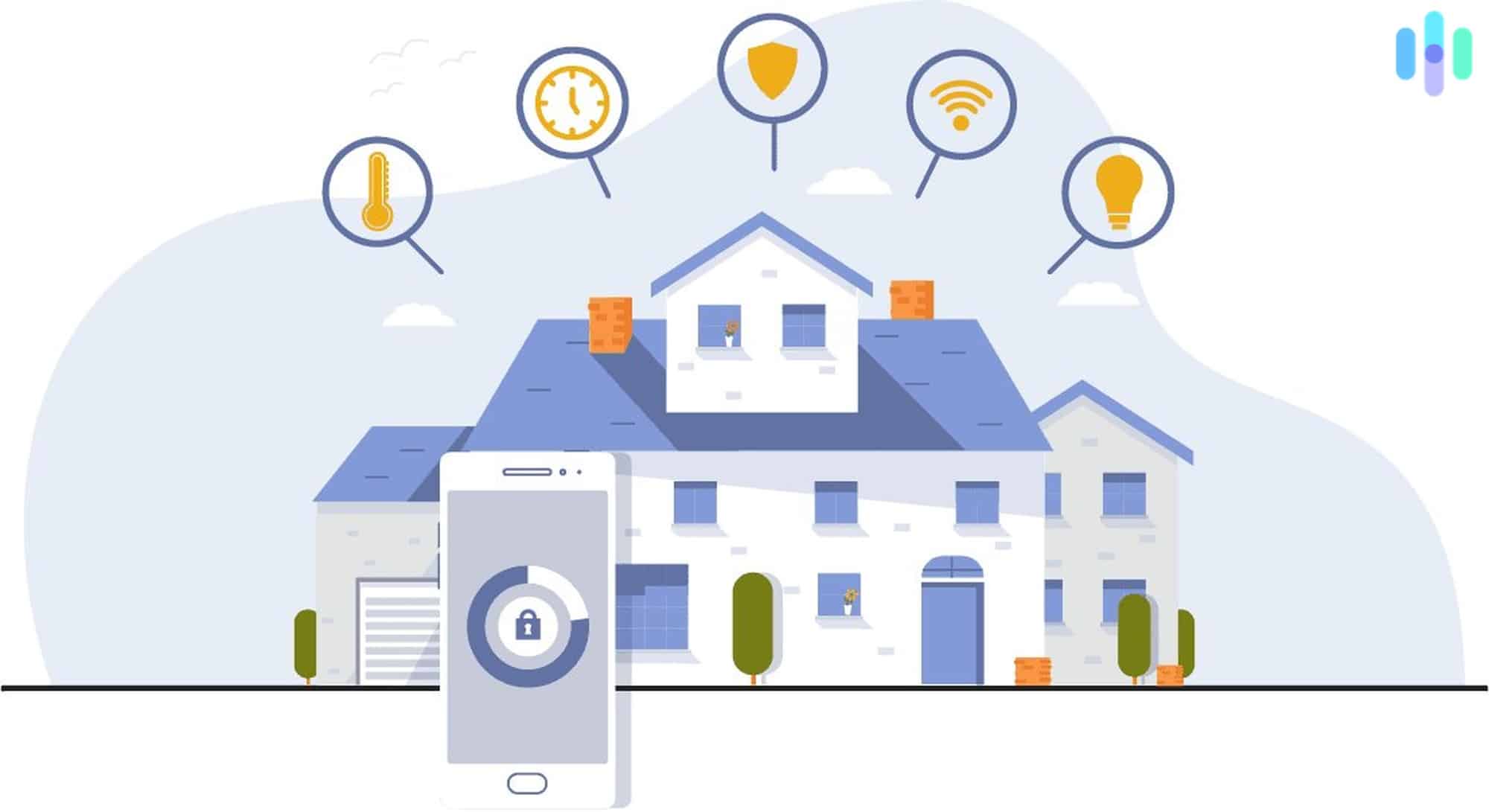
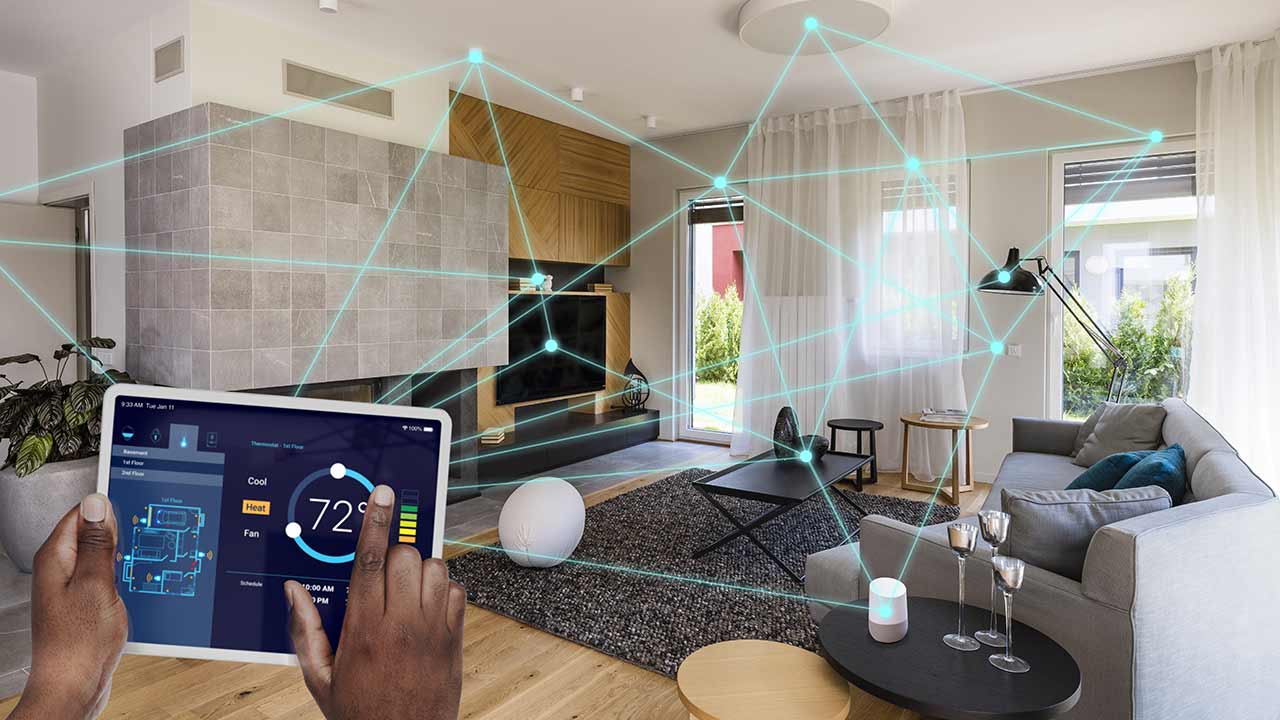
Many UK homeowners already have a scattering of smart devices: a video doorbell here, a smart plug there. Over the next year, the innovation push will be about making these systems work together without constant tinkering.
New standards such as Matter aim to let devices from different brands talk to each other more smoothly. That could mean your smart window shades, lights, and heating responding as one system when you leave for work or go to bed.
For fans and professionals, the focus will shift from adding devices to curating routines. Expect more tools that help you set clear limits on data sharing, guest access, and what gets recorded inside the home.
AI in the Living Room: From Voice Commands to Real Help
AI is already present in UK homes via voice assistants, but the next 12 months will make it more useful and more invisible. Instead of clever trivia answers, you are more likely to see AI quietly reorganising your home admin.
- Scanning and filing bills and warranties so you can find them quickly.
- Spotting unusual spikes in energy or water use and flagging possible leaks.
- Helping compare quotes for insurance, broadband, or tradespeople based on your real needs.
Home professionals, from letting agents to trades, are already experimenting with AI to manage bookings, quotes, and reports. The crucial question for homeowners will be how transparent these systems are when making recommendations or filtering options.
Healthier Indoor Spaces: Air, Light, and Noise
Since the pandemic, indoor air quality has become a more visible concern. Over the next 12 months, expect a wave of relatively affordable sensors that measure CO₂, humidity, and particulates, bundled into smart home hubs or thermostats.
Manufacturers of windows, doors, and insulation are also racing to market products that balance airtightness with fresh air. For UK homes that double as offices, this will matter for focus and sleep as much as for long-term health.
Noise is another frontier. Expect more interest in acoustic glazing, better internal doors, and layout tweaks that carve out quiet zones for calls and study. Innovation here is less about new inventions and more about thoughtful combinations of materials, layout, and tech.
Work, Play, and the Multi-Use UK Home
Homes are now live-work-recharge spaces, and design innovation is adapting fast. Flexible furniture, modular storage, and plug-and-play garden rooms are becoming more common in British suburbs and small towns.
In the next 12 months, look for more compact, insulated outbuildings designed to meet planning rules and energy standards with minimal paperwork. For families, the same space may need to change from office to playroom to guest room in a single weekend, so easy reconfiguration will be a selling point.
Streaming, gaming, and remote collaboration will keep pushing demand for reliable home broadband and better in-house Wi‑Fi layouts. Here, innovation may look like a well-planned mesh network rather than another black box with flashing lights.
How UK Homeowners Can Prepare
With so many products and promises, it is easy to feel overwhelmed. A simple approach is to start from your biggest pain points and work backwards to the tech, not the other way round.
- List your top three issues: bills, comfort, noise, storage, or something else.
- Check local grants or incentives for energy upgrades before buying anything.
- Favour products that work with common standards and can be reused if you move.
- Ask installers and suppliers to explain payback periods in pounds and years, not just percentages.
Innovation in the next year will reward homeowners who stay curious but sceptical. If a new product cannot show clear value in your daily life or on your monthly bill, it may be worth waiting for the next wave.
Clarity in writing comes from structure, not length.