
Innovation in Home Improvement: What 2026 Means for UK Homes
Key Takeaways
- In 2026, innovation in home improvement is less about novelty and more about useful upgrades.
- UK homeowners are prioritising energy efficiency, smart controls, and indoor comfort.
- Design trends are shifting toward healthier materials and stronger links between indoor and outdoor space.
- Professionals are seeing demand for improvements that cut running costs and support long-term upkeep.
Innovation is the word shaping home improvement in 2026, but the meaning has changed. For UK homeowners, it is no longer just about adding the latest gadget or a dramatic design feature. It is about making homes easier to live in, cheaper to run, and healthier over time.
That shift is visible across the market. From larger, better-performing windows to smarter heating controls, the most useful upgrades are the ones that solve practical problems. They improve comfort, reduce waste, and fit the way people actually use their homes.
“The strongest innovation trend in 2026 is not flashy design for its own sake. It is technology and planning that make a home more efficient, more comfortable, and easier to maintain.”
Why innovation now means everyday usefulness
In 2026, homeowners are weighing value more carefully. With higher living costs and continued pressure on household budgets, an upgrade has to earn its place. That is why energy-saving improvements and low-maintenance materials are drawing attention.
For professionals, this creates a clear brief: recommend solutions that work in real homes, not just in showrooms. The best projects balance appearance with long-term performance, especially where running costs and durability matter.
Smart homes are becoming more practical
Smart technology is still a major part of the conversation, but the focus has shifted. In place of novelty features, buyers want systems that help manage heating, lighting, security, and energy use with less effort.
That includes connected thermostats, app-based controls, and automated routines that reduce waste. For many households, innovation now means being able to check, adjust, and monitor the home from one place.
- Heating controls that respond to daily routines
- Lighting systems that improve comfort and cut energy use
- Security features that can be monitored remotely
- Energy tracking tools that show where costs are rising
Energy efficiency is driving most upgrades
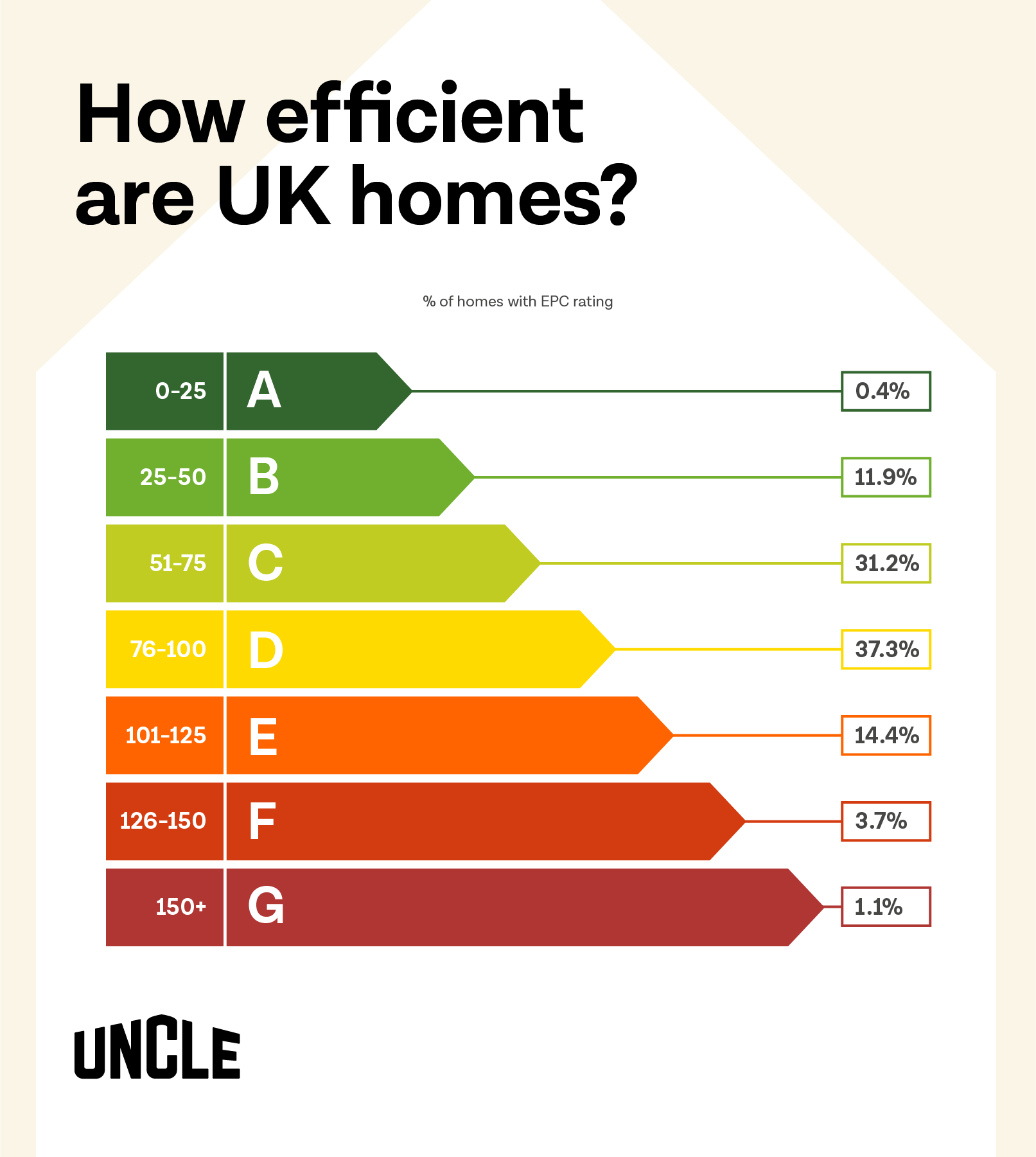
Among UK homeowners, energy efficiency remains the most obvious area of innovation. Better insulation, efficient glazing, and improved ventilation are no longer niche choices. They are central to how people think about value.
Blending performance with design is now a priority. Larger windows, for example, are being chosen not only for natural light but also for thermal performance and a better connection to gardens and patios.
Wellness and healthier materials are part of the brief
Another clear trend in 2026 is the link between home improvement and wellbeing. Homeowners want spaces that support better sleep, easier relaxation, and cleaner indoor air. That has pushed interest in non-toxic materials, calmer layouts, and spa-style bathrooms.
This is especially relevant in dense urban areas, where the home often serves as an office, retreat, and family hub. Innovation here is not about adding complexity. It is about reducing stress and making the space work better day to day.
Indoor and outdoor space are blending
Designers and homeowners are also treating gardens, patios, and terraces as part of the living area. In 2026, the line between inside and outside is increasingly blurred. That means better sightlines, wider openings, and finishes that feel consistent from one space to the next.
For families, this creates more flexible rooms and better use of space. For professionals, it opens up opportunities to offer solutions that improve light, flow, and year-round usability.
What this means for homeowners and professionals
The strongest outlook for innovation in 2026 is practical rather than decorative. Homeowners want upgrades that save money, reduce hassle, and improve how a home feels every day. Professionals who understand that brief are likely to stay ahead of demand.
In simple terms, the winning projects are the ones that combine smart controls, efficient materials, and flexible design. That is where innovation is heading in the UK home market this year.
- Prioritise projects that improve comfort and running costs together
- Choose products with proven performance, not just new features
- Think about long-term maintenance as well as upfront appeal
- Use design changes to improve light, air, and space
Clarity in writing comes from structure, not length.