Is a Home News Studio Worth It? Cost and ROI Breakdown for UK Homeowners and Creators
Why “News-Style” Home Setups Are Suddenly Everywhere
More UK homeowners, creators, and media professionals are building small news-style studios at home. The push comes from hybrid work, booming online news and commentary channels, and lower equipment costs.
What used to require a full TV truck can now fit in a box the size of a shoebox. The challenge is not just what to buy, but whether the investment will actually pay off.
Key Takeaways
- A credible news-style home setup can start around £800–£1,500, but can easily pass £5,000 for pro-level results.
- For active creators, the main ROI is time saved, more publishable content, and higher ad or client revenue.
- For homeowners, the setup rarely boosts property value, but it can support side income and career flexibility.
- The biggest “hidden costs” are poor sound treatment, unreliable internet, and rushed lighting choices.
The Core Costs: What You Actually Need
Prices below are typical UK high-street or online figures as of 2025–2026. They assume you already have a usable laptop or desktop.
A basic but credible home news corner usually includes:
- Camera: £250–£900 for a mirrorless or DSLR with clean HDMI.
- Microphone: £70–£250 for a USB or XLR dynamic mic plus stand and pop filter.
- Lights: £120–£350 for two to three LED panels or softboxes.
- Audio interface or capture card: £80–£200 if using XLR or HDMI.
- Background and furniture: £100–£400 for shelving, plants, or a printed backdrop.
- Software: £0–£300 per year for editing and live-stream tools.
At the low end, this puts a bare-bones but workable setup around £800–£1,500. Add better lenses, backup mics, or a teleprompter and costs rise quickly.
What the “Pro” Setups Really Cost
For PR teams, independent journalists, and agency-run news channels, budgets are higher. These setups are designed to run all day, not just for the odd weekend stream.
A more professional build might include a broadcast-style camera, a dedicated mixer, sound-treated walls, and multiple light zones.
In practice, UK professionals who need TV-comparable quality often end up between £4,000 and £10,000 once cameras, audio, lighting, and furniture are counted.
It is still cheaper than renting a central London studio year-round, but the upfront cash and learning curve are higher.
Direct ROI: How Money Comes Back
For news YouTubers, podcasters, and local reporters, the main income streams are ads, sponsorships, memberships, freelance slots, and consulting. None of these require broadcast-grade gear to start, but higher production quality can raise rates and win trust.
Consider a modest UK news channel making £400 per month from YouTube ads and Patreon. If a £1,200 setup lets them double output and slightly improve watch time, getting to £800 per month is realistic for a growing niche channel. In that case, payback could come in 18 months or less.
For PR professionals and spokespeople, the ROI is softer but still real: more live TV hits from home, faster reaction commentary, and fewer trips to regional studios. Over a year, saved travel costs and billable hours can outweigh the kit spend.
Hidden Costs Homeowners Often Miss
Three items tend to blow the budget or ruin the results: sound, connectivity, and time. Foam tiles bought in a rush rarely fix echo in a small UK bedroom with hard floors.
- Sound treatment: Rugs, curtains, and bookcases often help more than cheap foam squares.
- Internet: A mid-range fibre line plus a wired ethernet connection is far more stable than Wi‑Fi alone.
- Time investment: Learning basic colour correction, noise reduction, and framing can take weeks.
These factors rarely appear on the first shopping list, but they are decisive for “news-grade” reliability.
Does a Home Studio Add Property Value?
Estate agents in the UK generally treat a home news studio as a flexible office or spare room, not a price premium. A buyer may like the built-in desk and good lighting, but they will not usually pay more for a ring light and XLR cables.
Where there can be value is in marketing the home as “hybrid-work-ready” with a quiet, camera-friendly space. That can help in crowded markets, especially in cities where remote work is normal, but it is a selling point, not a new price band.
Designing a Space That Works on Camera
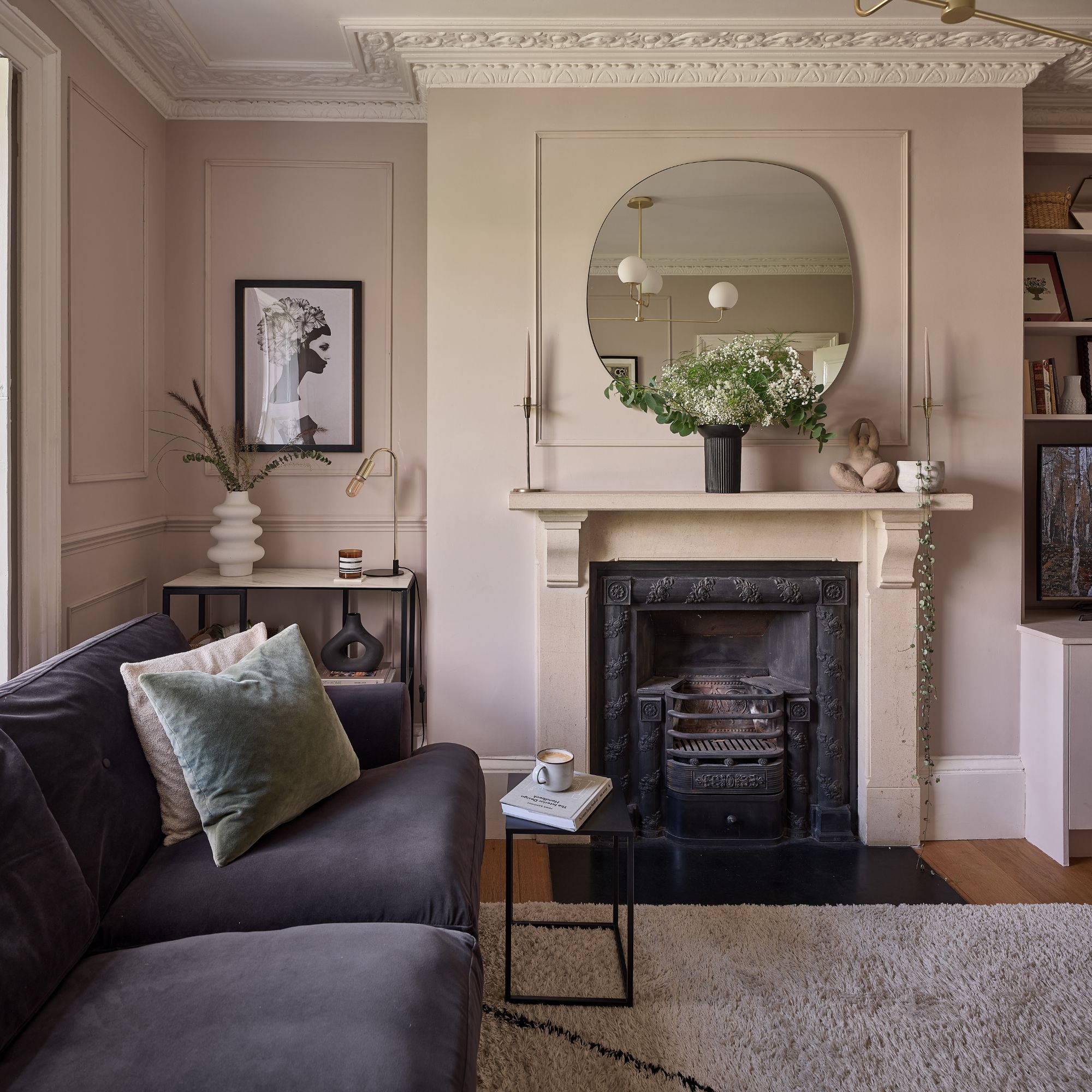
A simple, tidy background tends to outperform ambitious but cluttered designs. Neutral walls, one or two accent items, and soft, even light are enough for most news formats.
If you plan to speak on national or regional news, avoid anything overtly partisan or distracting on the shelves. The aim is calm, professional, and believable in a three-second glance.

Who Should Spend What?
For casual fans and hobbyists, a budget of £300–£600 using an existing smartphone, a good mic, and decent light is usually enough. It keeps risk low while you test whether you enjoy regular production.
For semi-pro creators and communications professionals, £1,000–£3,000 is the range where the setup starts to pay back in speed and consistency. Above that, the question becomes less “Can I afford this?” and more “Will I use this every week for at least two years?”
Bottom Line for UK Readers
A home news-style studio is rarely a property upgrade, but it can be a career tool. The financial case improves with every hour you would otherwise spend travelling, booking space, or fixing bad audio.
If you publish often, or want to be ready for the next urgent interview or live hit, a planned, modest build usually beats chasing perfection. Decide what outcome you want first, then let that, not the latest kit list, set your budget.
Clarity in writing comes from structure, not length.