Is Paying for Local News Still Worth It? The Real Cost and ROI for UK Households
Is Paying for Local News Still Worth It? The Real Cost and ROI for UK Households
With print editions shrinking, paywalls multiplying, and social media feeds flooded with free headlines, many UK readers are asking a blunt question: is paying for news still worth it? This explainer breaks down the real costs, what you get back, and how to think about the return on investment (ROI) as a homeowner, fan, or media professional.
Key Takeaways
- Most UK digital news subscriptions cost roughly the same as one takeaway a month.
- The clearest financial ROI for homeowners comes from local planning, property, and consumer-rights coverage.
- Relying only on free social media headlines raises the risk of misinformation and missing key local changes.
- Professionals and freelancers can often claim news costs as a work expense, shifting the ROI equation.
What UK Readers Are Actually Paying
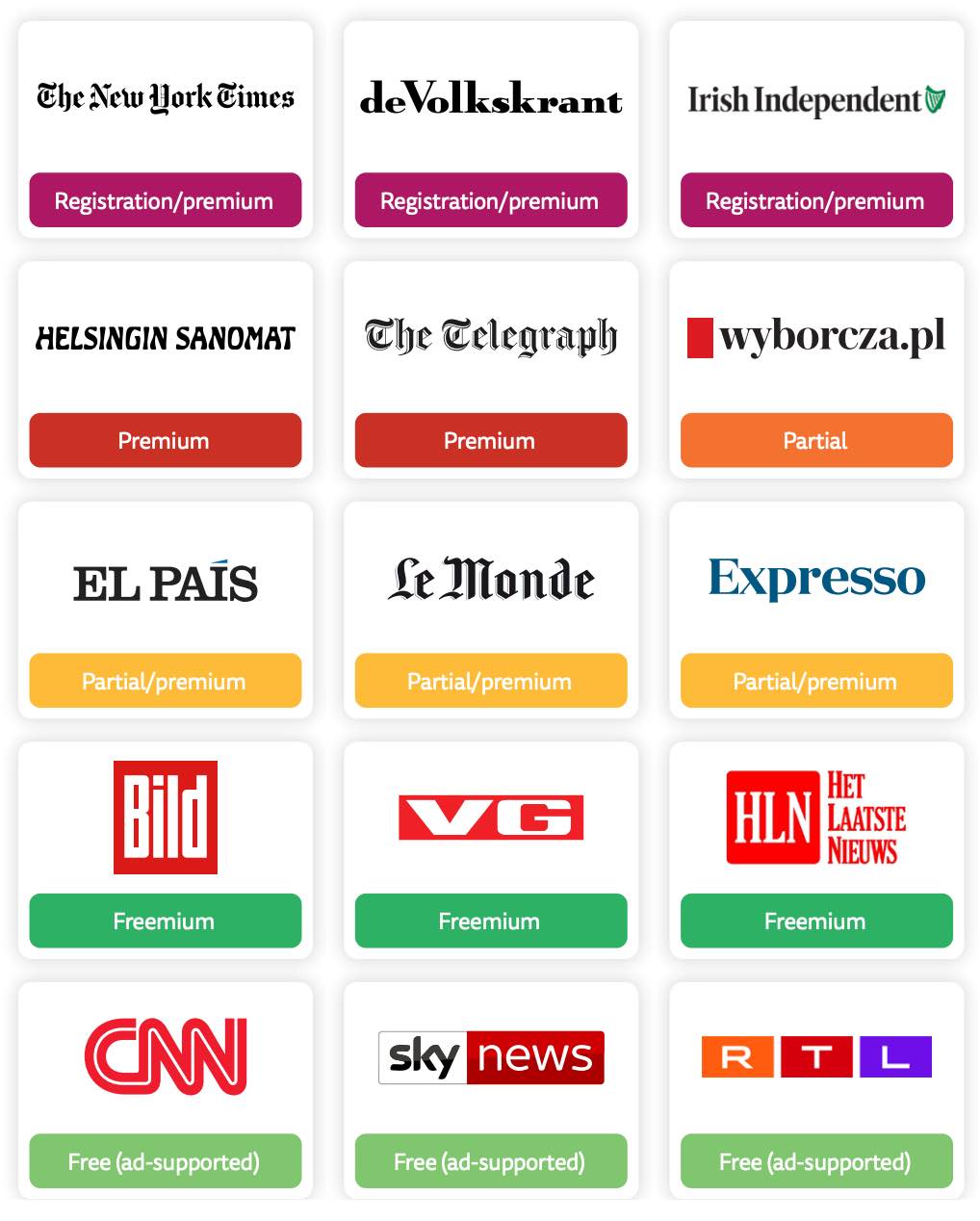
On price alone, UK news sits in the middle of the subscription pile. Major national titles often charge £5–£15 per month for digital access, with introductory offers as low as £1 for the first few months. Regional titles typically range from £2–£8 per month, sometimes bundled with newsletters or apps.
Print remains more expensive. A daily national newspaper at around £1–£2 a copy can easily exceed £40 a month if bought most days. Sunday editions, special supplements, and weekend magazines add more cost but are often still popular with households that value the physical paper.
Free News vs Paid News: What Changes
Most people now see news first on social media or search. These platforms surface free headlines and snippets, but not always full stories or corrections. The risk is that your understanding gets stitched together from fragments, some of which may be misleading or outdated.
When you stop paying for news, you do not stop paying the price — you just pay it in other ways: time, confusion, and sometimes bad decisions based on half-truths.
Paid news usually offers deeper reporting, full access to archives, and less intrusive advertising. You are paying for editorial teams, legal checks, and local reporters who can sit through late-night council meetings so you do not have to.
The Quiet ROI for Homeowners
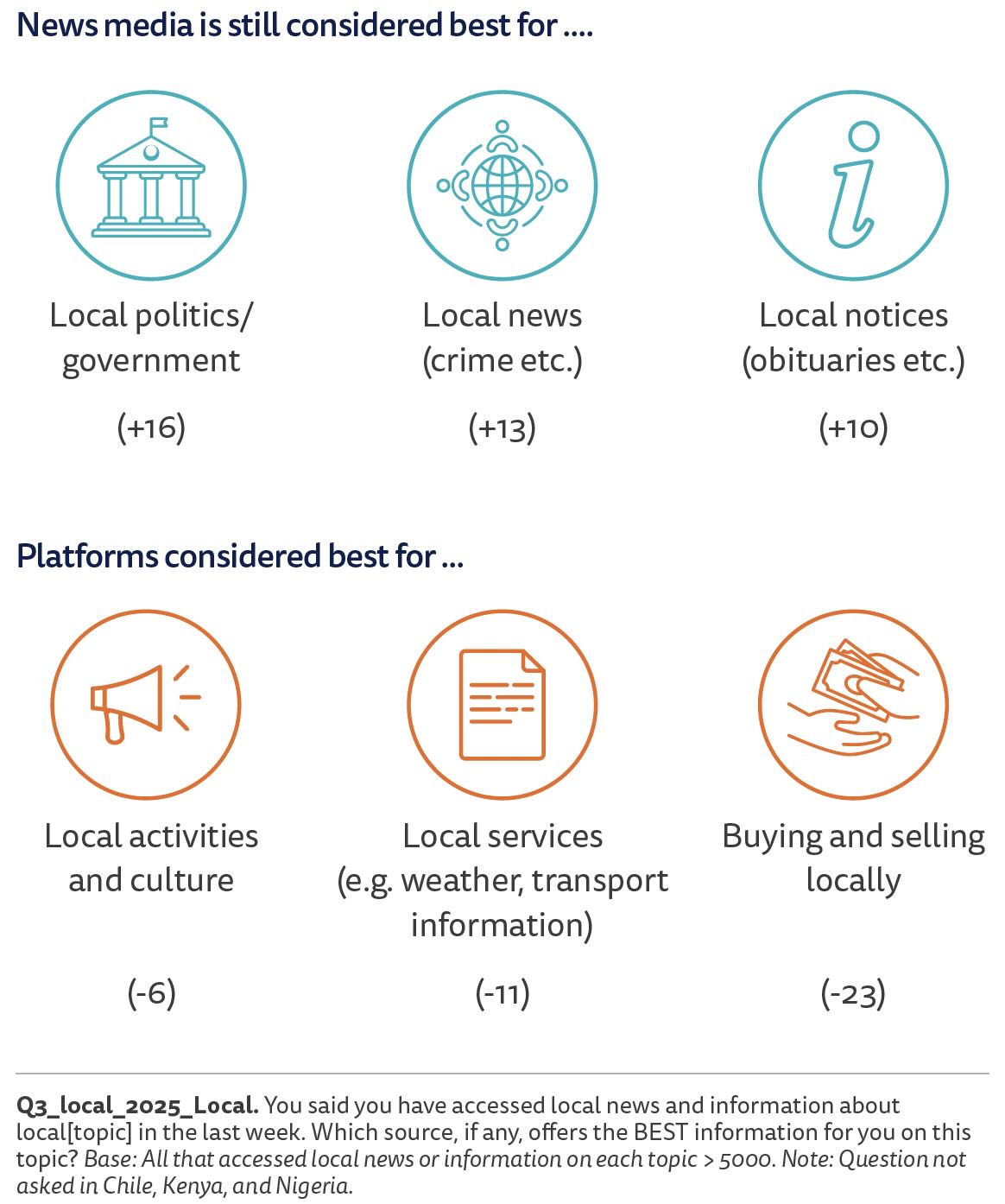
For UK homeowners, the most concrete returns from news are often hidden in the local pages. Planning applications, transport changes, new school catchment areas, and flood-risk updates can all affect your property value and quality of life. Missing a small notice about a new road scheme or tower block can have long-term consequences.
Consumer coverage matters too. When energy suppliers, insurers, or lenders change terms, good reporting can highlight exit penalties, better deals, or regulatory deadlines. Following well-sourced money pages can easily offset an annual subscription fee if it helps you avoid a poor tariff or spot a grant in time.
Fans and Culture: Paying for the Coverage You Actually Want
For sports and culture fans, the calculation is slightly different. The ROI is less about saving money and more about depth and access. Match reports, tactical analysis, long interviews, and local gig coverage rarely survive in free, click-driven environments.
If you are a supporter of a smaller club or a regional arts scene, the survival of local reporters can directly shape how visible your team or venue is. A subscription to a local or specialist outlet can be seen as part fandom, part patronage of the coverage you rely on.
Professionals: From Cost to Work Tool
For journalists, PRs, policy staff, lawyers, and researchers, news is not just a habit; it is a work tool. Sector-specific newsletters, data-rich financial outlets, and investigative series can inform pitches, risk assessments, and client advice.
In many cases these costs can be recorded as business expenses. That changes the ROI: the real cost after tax relief or employer support may be much lower than the headline subscription price.
Local News Under Pressure
Over the past decade, hundreds of UK local titles have reduced staff or merged, as print advertising fell and digital ad money shifted to global platforms. That has left some areas as “news deserts” with few or no dedicated reporters. Council meetings, inquests, and local courts often go uncovered.
The result is a democratic gap. Residents may only hear about major planning or budget decisions when it is too late to object. Paying for a surviving local outlet, or supporting a community start-up, is effectively funding on-the-ground oversight that no algorithm will provide.
Working Out Your Own ROI
There is no single answer to whether paying for news is worth it; the value depends on how you use it. A simple way to test it is to track, over three months, the concrete benefits you get: money saved, decisions improved, or problems spotted early thanks to a story you read.
If you cannot point to any examples, it may be time to cancel or switch. But if your subscription helped you avoid a scam, challenge a bill, or make a better investment or home decision, the financial return may already exceed the yearly fee.
Practical Ways to Cut Costs Without Going Dark
If full-price subscriptions feel out of reach, there are ways to stay informed without depending entirely on random social feeds.
- Rotate subscriptions: keep one or two active at a time and switch every few months.
- Use introductory offers, but set reminders before renewal dates.
- Combine a national digital subscription with a cheaper local title or community outlet.
- Check if your workplace, union, or professional body offers access as a perk.
What the Future Could Look Like
Hybrid funding is likely to define the next phase of UK news. Alongside traditional subscriptions, readers are already seeing membership models, one-off contributions, public-interest grants, and charity-backed local projects. None of these remove the need for paying customers, but they can widen who gets covered.
For households, that means more choice but also more decisions. The core question will remain the same: which outlets do you trust enough to pay for, and what do you want them to keep watching on your behalf?
Making a Deliberate Choice
The most realistic way to think about news now is as part of your essential information budget. You do not need to subscribe to everything, but it is risky to rely only on whatever surfaces for free. Ask which titles consistently help you make better decisions, understand your area, or enjoy your interests more deeply.
From there, the decision becomes practical rather than abstract: which two or three outlets earn a place in your monthly spending, and which can you safely drop?
Clarity in writing comes from structure, not length.