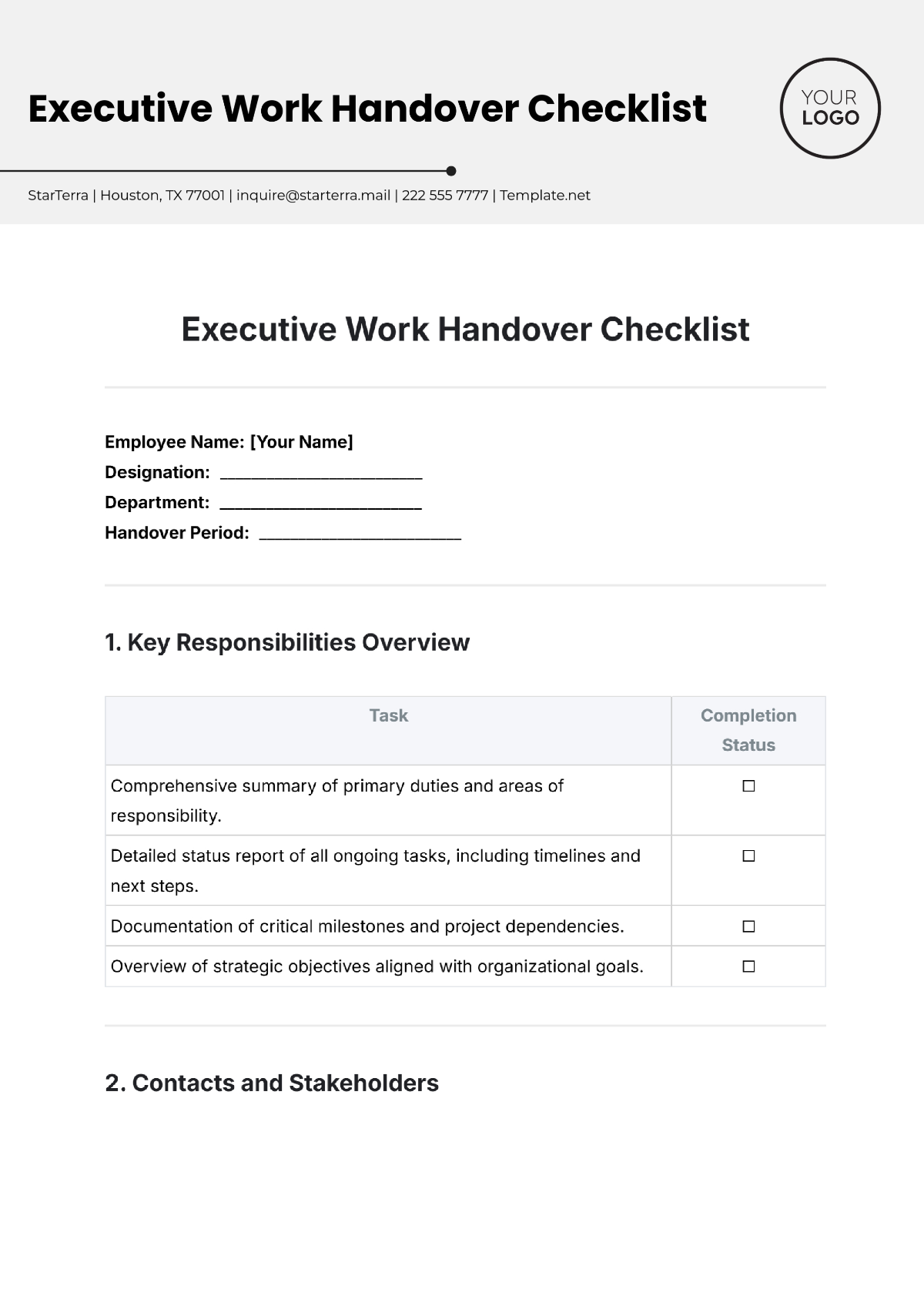
News checklist: how to make a stronger negotiation in practical, real-world settings
Key Takeaways
- Start with a clear goal, a walk-away point, and a reason for your ask.
- Use current facts, not pressure, to support your position.
- Keep the process simple: prepare, ask, listen, confirm, and follow up.
- For home, work, or service deals, small details in timing and wording can change the outcome.
Why this matters
When people search for News in a practical sense, they are often trying to act on something that is happening now: a price rise, a service quote, a contract renewal, or a household decision that cannot wait. The useful question is not whether to negotiate, but how to do it in a way that is calm, fair, and effective.
That matters for homeowners comparing repair quotes, fans buying tickets or memberships, and professionals handling pay, fees, or deadlines. In each case, the basics are the same: know what you want, know what you can accept, and keep the discussion grounded in facts.
Good negotiation is not about being forceful. It is about being prepared, specific, and hard to misunderstand.
A practical checklist before you start
Use this short preparation list before you send an email, make a call, or sit down to talk.
- State your goal in one sentence.
- Decide your ideal outcome and your lowest acceptable outcome.
- Gather two or three facts that support your request.
- Think through the other side’s likely concerns.
- Choose one clear ask, not three competing ones.
Step-by-step: how to handle the negotiation
- Define the issue. Write down exactly what is being negotiated: price, timing, scope, service level, or renewal terms.
- Check the market. Compare similar quotes, rates, or offers so you know what is normal.
- Set your limit. Decide the point at which you will stop and walk away or pause the deal.
- Open politely and directly. Say what you want, why it matters, and what you are asking for.
- Listen for constraints. The other side may have stock issues, labour costs, deadlines, or policy limits.
- Trade, do not just ask. If you want a lower price, consider offering faster payment, flexible timing, or a simpler scope.
- Confirm the result in writing. Summarise the agreed terms by email so there is no confusion later.
How this applies at home, in business, and in everyday life
For homeowners: If you are negotiating with a roofer, plumber, decorator, or builder, ask for a written quote with materials, labour, and timing broken out. That makes it easier to compare offers and question any change in cost.
For professionals: If you are handling fees, a deadline extension, or a contract review, keep the message brief and specific. A clear ask is easier to approve than a long complaint.
For fans and consumers: If you are dealing with a subscription, ticket issue, or membership renewal, check the terms first. Then ask whether a lower rate, credit, or flexible option is available.
Safety and caution checklist
- Do not agree on the spot if you feel rushed.
- Do not rely on vague promises; get key terms in writing.
- Do not disclose your absolute limit unless you must.
- Do not ignore cancellation fees, notice periods, or hidden extras.
- Stop if the tone turns abusive or unsafe.
What to say if the answer is no
If the first answer is no, do not end the conversation too quickly. Ask what would need to change for a yes, or whether there is a smaller option that would still solve the problem.
That may mean accepting a reduced scope, splitting work into stages, or agreeing to revisit the issue later. In many cases, the best outcome is not a perfect deal but a workable one that is clear, documented, and fair.
Final thought
News moves fast, but negotiation works best when you slow the process down just enough to stay precise. Prepare your facts, make one clean request, and confirm the result. That simple routine can save time, money, and stress.
Clarity in writing comes from structure, not length.