News: Common Mistakes and Fixes for UK Readers Who Rely on Timely Updates
Key Takeaways
- Check the source before you share or act on a news item.
- Look for date, location, and context, not just the headline.
- Use a second reputable source when a story affects money, travel, property, or safety.
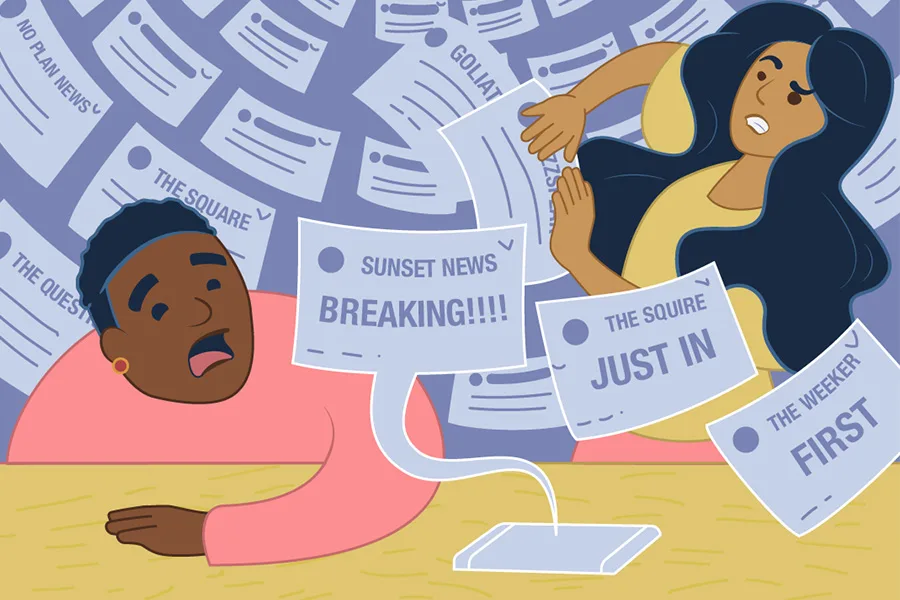
- Pause on breaking stories until key details are confirmed.
News moves quickly, but speed is often where mistakes start. For UK readers, that can mean acting on an incomplete report about housing, weather, transport, sports, or local services.
The fix is not to avoid news. It is to read it more carefully, especially when the story could affect your home, work, or plans.
Why news mistakes happen
Most errors come from reading too fast. A headline may be accurate in a narrow sense, while the body of the story gives the missing detail.
Another common problem is timing. A story from early in the morning can be outdated by lunchtime, especially during breaking events, court cases, or transport disruption.
Headlines tell you what is being discussed. The full article tells you whether the detail actually applies to you.
The most common mistakes and how to fix them
- Taking the headline as the full story. Open the article and scan the second and third paragraphs for the main facts.
- Ignoring the date and time. Check when the piece was published and whether it has been updated since.
- Missing local context. Confirm whether the story applies to your part of the UK, not just the country in general.
- Sharing before checking. Compare the report with at least one trusted outlet or official source.
- Assuming opinion is fact. Separate analysis, comment, and reporting before you rely on the claim.
- Reading only one version of a fast-moving story. Revisit the piece later if it involves courts, emergencies, weather alerts, or market-moving news.
What homeowners should watch for
Homeowners are often exposed to news that looks relevant but is not always actionable. A story about council tax, energy prices, planning rules, or mortgage rates may affect your household, but only under certain conditions.
Check whether the report cites an official announcement from a government department, regulator, lender, or council. If it does not, treat it as context rather than instruction.
What fans and professionals should do differently
Sports fans, media followers, and professionals in busy industries often see rumours framed as news. A transfer update, broadcast change, or business claim can spread before it is confirmed.
Use the same habit every time: identify the source, check the timestamp, and see whether the report names a direct quote or official statement. If the story affects your work, wait for confirmation from the relevant organisation.
Step-by-step: a safer way to read news
- Read the headline once, then slow down.
- Check the publication date, update time, and location.
- Find the key facts in the first few paragraphs.
- Look for named sources, official documents, or direct quotes.
- Compare the report with one other reputable source.
- Decide whether the story is confirmed, partial, or still developing.
Safety and caution checklist
- Do not act on emergency or weather news without official confirmation.
- Do not share a claim that could affect money, housing, or travel unless you trust the source.
- Be careful with screenshots, clipped quotes, and social posts that remove context.
- If a story sounds extreme, look for the original report before reacting.
Good news habits are simple, but they matter. A few extra seconds can stop you from passing on bad information or making a decision on half the facts.
For UK readers, the main rule is straightforward: treat breaking news as a draft until the source, timing, and context all line up.
Clarity in writing comes from structure, not length.