News, Myth and Reality: How UK Homeowners Can Tell the Difference
Why News Myths Matter for UK Homeowners
News shapes how UK homeowners think about property values, mortgages, renovations, and even the next election. Yet many widely shared stories mix fact with fear, or opinion with evidence. The result is a steady stream of myths that can warp real decisions about money and homes.
Understanding the difference between news and narrative is now a practical skill, not an academic one. Whether you are a first-time buyer, landlord, or housing professional, it affects what you spend, how you plan, and when you act.
Key Takeaways
- Headlines often exaggerate risk or certainty; the detail is usually less dramatic.
- Single statistics rarely tell the full story; look for trends over months or years.
- Opinion pieces and sponsored content can resemble news but follow different rules.
- Checking two or three credible sources before acting can prevent costly mistakes.
Myth vs Reality: The Core News Problem
Modern news is fast, crowded, and tailored by algorithms. Outlets compete for attention, and dramatic property stories often win more clicks than calm analysis. This is especially visible in coverage of UK housing, energy bills, and planning rules.
For homeowners, the risk is simple: reacting to noise instead of substance. Mistaking a short-term wobble for a long-term trend, or an expert’s guess for a guarantee, can distort both personal budgets and professional advice.
Common News Myths About Homes and Housing
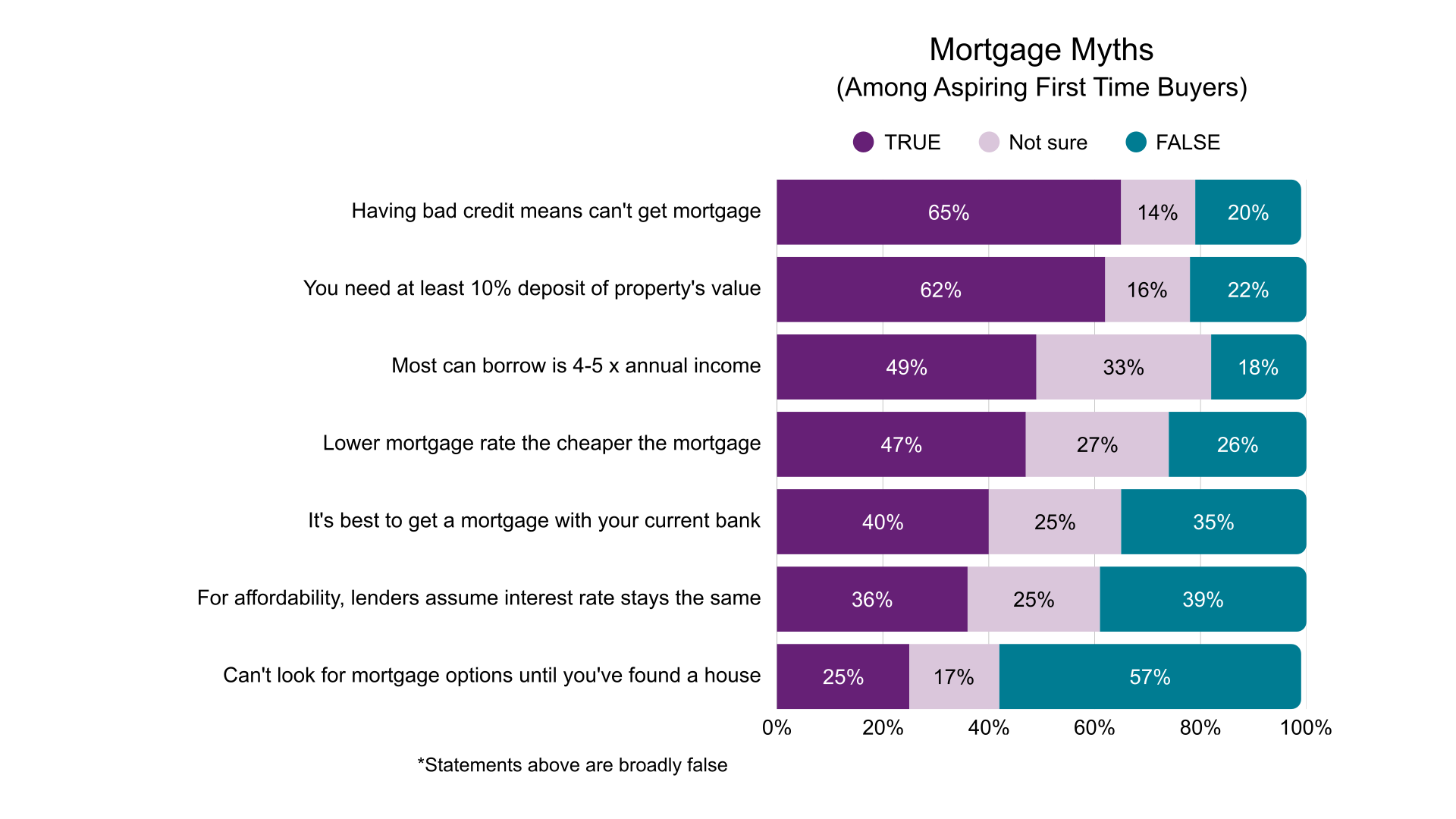
Not every headline that feels exaggerated is completely false. Many start from a real fact, then stretch it beyond what the evidence supports. Comparing myth and reality side by side helps show where the stretch begins.
| Myth | Reality | Why it spreads | What this means for you |
|---|---|---|---|
| “The UK housing market is crashing.” | Data from the ONS and major lenders shows regional dips and rises, not a uniform collapse. | “Crash” makes a sharper headline than “slow adjustment across regions.” | Check local prices and sales volumes before delaying a move or a renovation. |
| “Mortgage rates will only go up from here.” | Rates track Bank of England decisions and wider markets; forecasts change with new data. | Simple, absolute claims sound confident and are easy to share. | Base decisions on your own time frame and stress-test at a range of rates. |
| “New energy rules will make older homes unsellable.” | Government proposals often change after consultations; most rules include long transitions. | Fear about stranded assets creates strong reactions and clicks. | Track official guidance and plan upgrades over several years, not weeks. |
| “Planning rules have killed home extensions.” | Permitted development rights still allow many projects, but details vary by council. | Frustration with delays turns into blanket statements online. | Check local planning portals and pre-application advice before assuming a ‘no.’ |
What This Means: Reading News Like a Negotiator
Professional negotiators are trained to separate positions from interests and claims from evidence. You can apply the same habit to news. Instead of accepting a headline at face value, ask what the source wants, what data it cites, and what is left out.
The most useful question for a homeowner is often: “If this headline is half true and half spin, what changes in my decision?”
That question pushes you toward concrete action, not emotional reaction. It also turns news from a stream of anxiety into a set of signals you can weigh against your own plans.
Spotting the Difference: News, Opinion, and Promotion
Digital layouts can blur the line between reporting and opinion. Many UK sites place analysis, comment, and sponsored features next to hard news. The labels are there, but they are easy to miss on a phone screen.
Before you trust a dramatic claim about house prices or heating rules, check three things:
- Is the piece tagged as “opinion,” “analysis,” or “sponsored”?
- Does it link to primary data, such as ONS releases or regulator reports?
- Are multiple voices quoted, or just one expert with a strong view?
Practical Checks for Fans and Professionals
Homeowners who follow property news for interest can afford to wait and watch trends. Professionals and landlords often feel pressure to act quickly. Both groups benefit from slow, deliberate checks before making expensive calls.
Useful habits include keeping a short list of trusted outlets, bookmarking official data sources, and noting the date and region in every story you read. Housing and energy policies in Scotland, Wales, Northern Ireland, and England can diverge in ways headlines do not always explain.
From Headlines to Home Decisions
Every major housing story eventually becomes a personal question: renovate, refinance, move, or stay put. News is part of that decision, but it should not be the whole of it. Lenders, surveyors, local planners, and energy assessors bring grounded detail that national coverage cannot.
Treat news as the start of your research, not the end. Ask what the story would need to look like, in numbers and dates and local rules, before you change your plans. Then check whether those conditions actually exist where you live.

Conclusion: Calmer News, Better Homes
Myths will not disappear from property coverage; they are too useful for grabbing attention. But UK readers can blunt their impact by asking sharper questions and looking beyond the first dramatic line. That calm approach is as valuable to seasoned professionals as it is to new homeowners.
In the end, a home is lived in for years, not reported on for minutes. Decisions that shape it deserve more than a single headline, no matter how bold the typeface.
Clarity in writing comes from structure, not length.