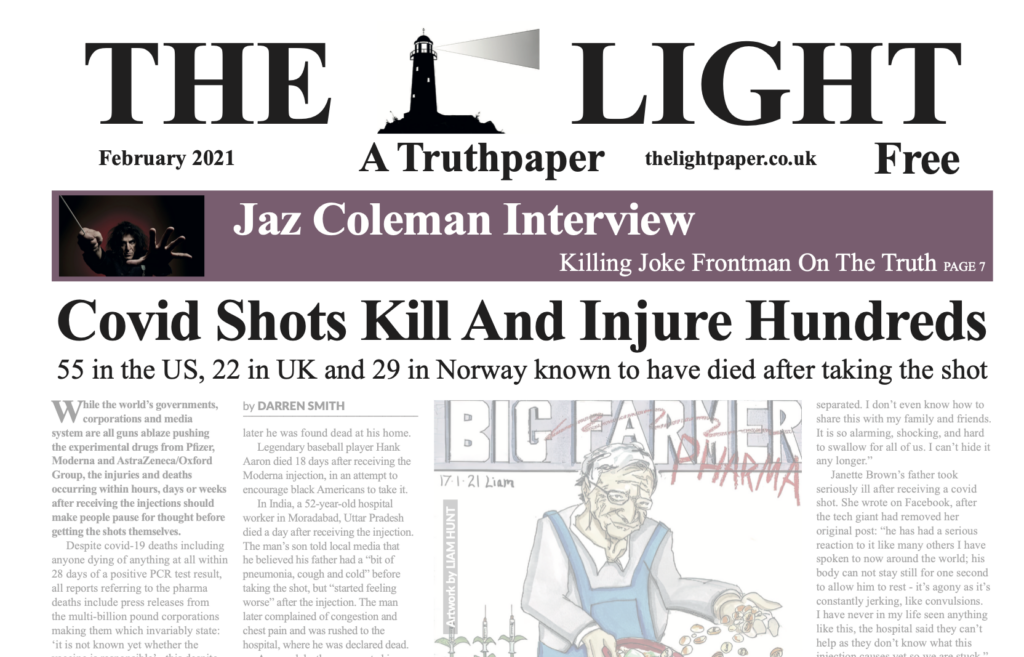
News Myth vs Reality: What UK Readers Should Actually Believe
Key Takeaways
- Not every headline tells the full story, especially when a report is still developing.
- News can be accurate and still feel misleading if the context is missing.
- For UK homeowners, fans, and professionals, the source and timing of a story matter as much as the claim itself.
- A simple comparison between myth and reality can help separate facts from assumptions.
News moves fast, but understanding it should not be difficult. In the UK, readers often see the same story repeated across outlets, social feeds, and group chats, each version trimmed to fit a headline or an angle.
That is where confusion starts. The myth is that news is either true or false in a simple way. The reality is more useful: many stories are partly right, partly incomplete, or accurate only in context.
Myth vs Reality in the News
The comparison below shows how common assumptions can differ from what is actually happening. This matters for anyone trying to make decisions about money, home life, work, or sport based on a headline.
| Myth | Reality | What this means |
|---|---|---|
| If it is in a major outlet, it must be fully confirmed. | Large outlets often report breaking developments before every detail is known. | Check whether the story is marked as live, developing, or based on initial reports. |
| A strong headline always reflects the full article. | Headlines are designed to be brief, and some context may only appear later in the story. | Read the body text before treating the headline as the final word. |
| Social media reactions prove a story is true or false. | Online reactions often spread faster than verification. | Use reactions as a signal of interest, not as evidence. |
| News only matters to people directly involved. | News can affect prices, planning rules, travel, jobs, and public services. | UK homeowners and professionals may feel the impact even when a story seems distant. |
| If two outlets disagree, one must be lying. | They may be using different sources, timelines, or editorial standards. | Compare reporting dates, quoted sources, and whether facts are confirmed or provisional. |
What this means
For UK readers, the practical lesson is simple: treat news as a process, not a finished product. A single update may be correct at the time it is published, then change after new information arrives.
This matters in areas that affect everyday life. Homeowners may see stories about mortgages, council tax, planning rules, or energy policy and assume the first version is the final one. Fans may read transfer or injury reports and miss the difference between speculation and confirmation. Professionals may act on business or regulatory news before the details are settled.
Good news reading is less about spotting drama and more about checking what is known, who is saying it, and whether the facts are still moving.
When a story looks important, ask three questions: Who reported it, what evidence is named, and has anyone officially confirmed it? Those checks take less than a minute and can prevent costly misunderstandings.
Why myths spread so quickly
News myths spread because people share information before they fully read it. Short clips, screenshots, and quoted headlines are easier to pass along than full articles, especially when the subject is emotional or urgent.
There is also a trust problem. Many readers assume that if a story sounds familiar, it must already be proven. In reality, repeated coverage can simply mean the same claim is being recycled.
- Breaking stories often change within hours.
- Headlines may compress complex facts into one line.
- Commentary can sound like reporting if the source is not checked.
- Older stories are sometimes reshared as if they are new.
How to read news more carefully
A practical approach is to slow down before sharing or acting. Start with the source, then look for named reporters, clear dates, and direct quotes from people involved.
If the story affects your home, work, or interests, look for confirmation from an official body, regulator, club, or company. If that confirmation is missing, treat the story as provisional.
Bottom line
The myth is that news should always be instant and absolute. The reality is more careful: good reporting gives readers enough information to judge what is known now and what still needs confirmation.
For UK audiences, that difference matters. It helps separate fast-moving headlines from facts you can actually use.
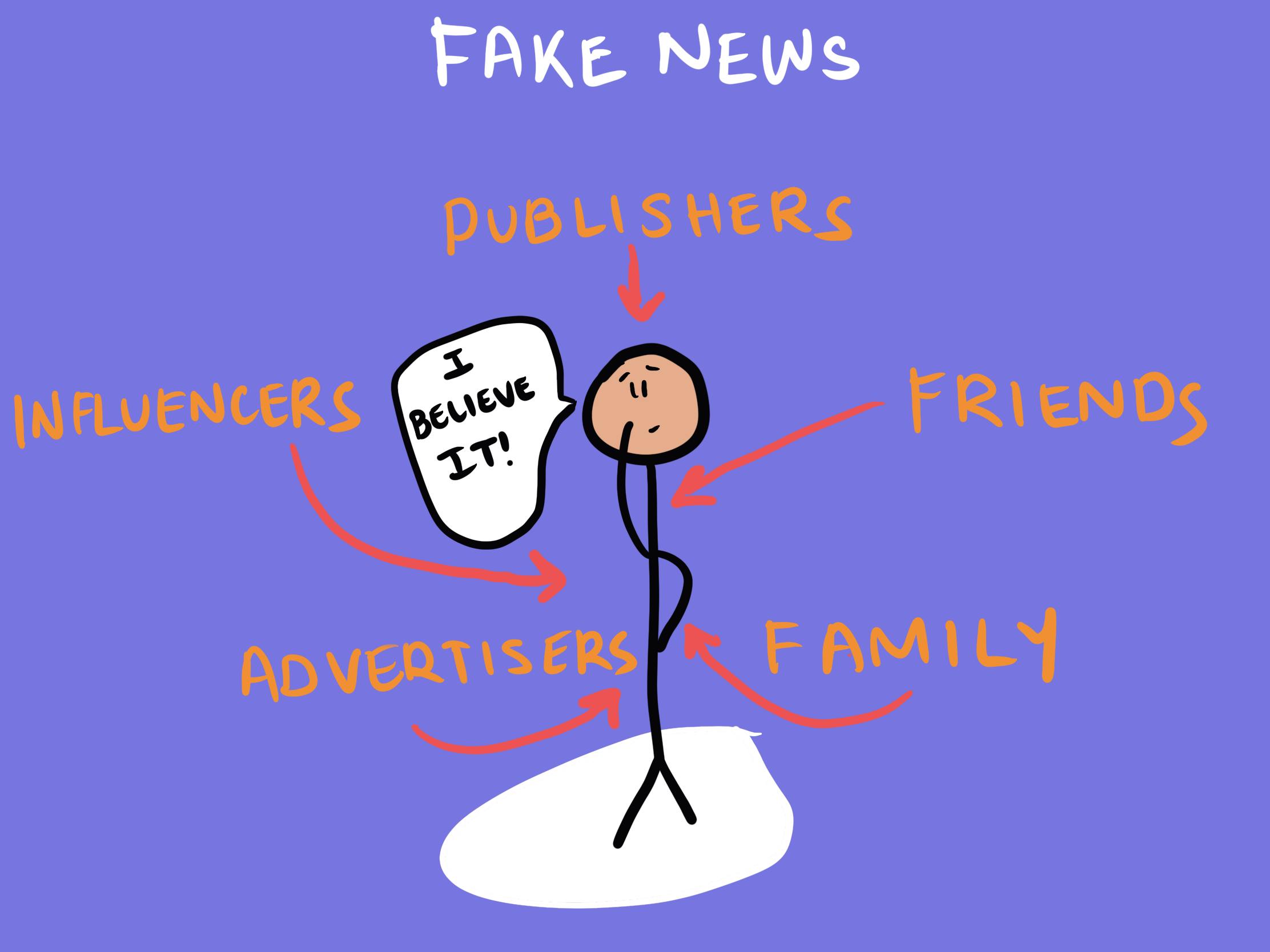
Clarity in writing comes from structure, not length.