News tools and options: a practical comparison for UK readers
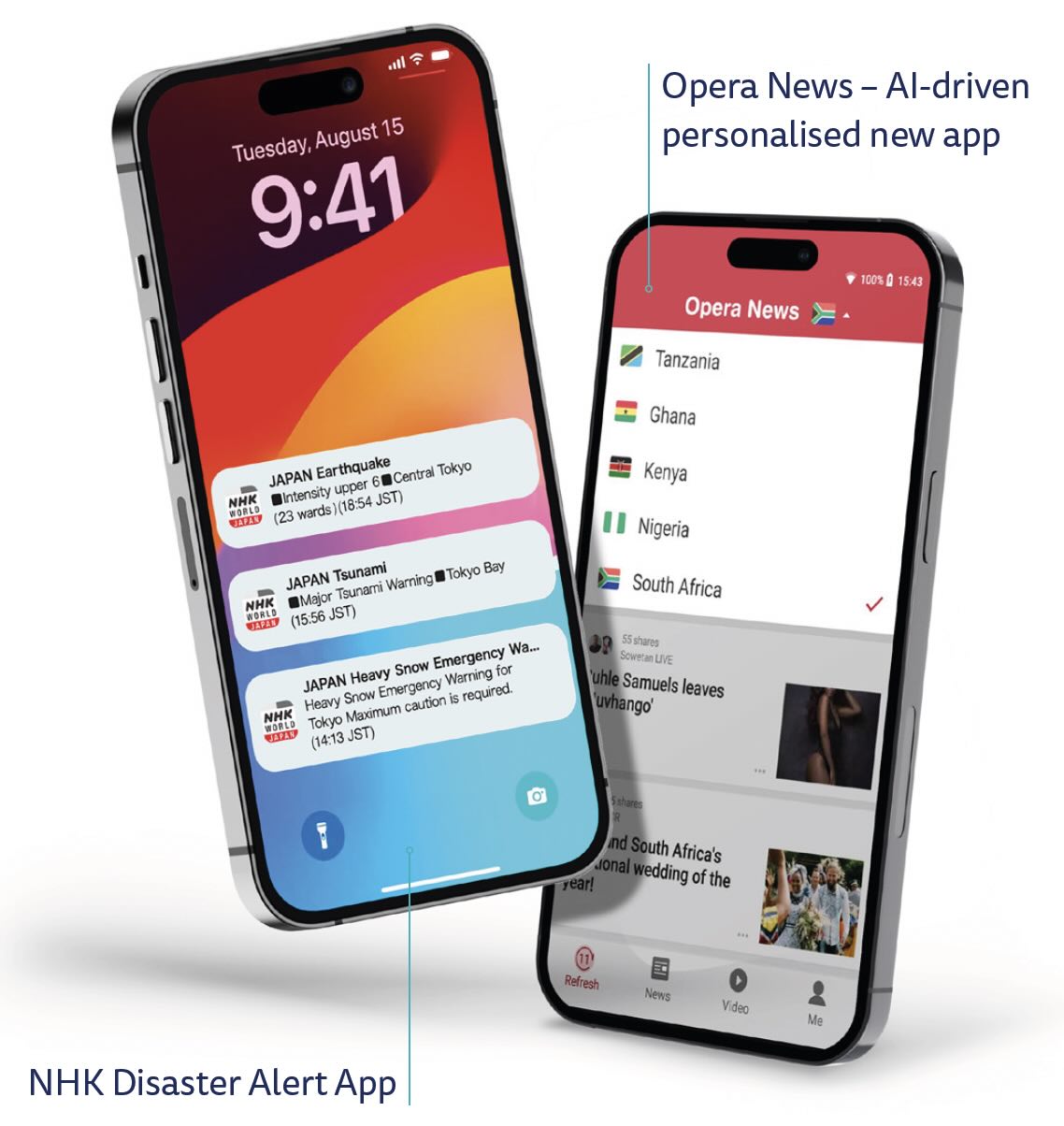
News is no longer just something you read once a day. For UK readers, it can arrive through apps, newsletters, live blogs, alerts, podcasts and social feeds. That makes choice useful, but it also makes it harder to know which option fits your needs.
Key Takeaways
- Different news tools suit different habits: quick updates, deep reading or work-related monitoring.
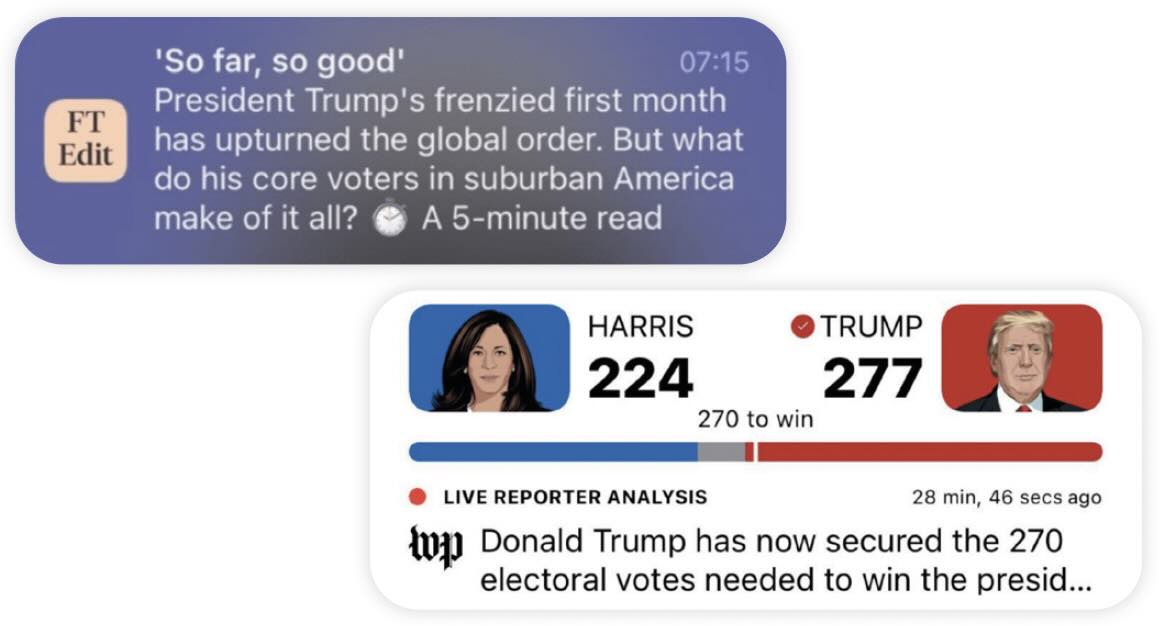
- Alerts are best for speed, but curated newsletters often offer better context.
- Homeowners and professionals may need local, sector-specific or market-focused coverage.
- Combining two or three tools is usually more effective than relying on one source.
The main options compared
The best choice depends on what you want from news. Some people need fast headlines, while others want reliable explainers, local updates or industry coverage. The table below compares the most common options used by UK readers in 2026.
| Option | Best for | Main strength | Main drawback |
|---|---|---|---|
| News apps | People who want quick access on a phone | Fast alerts and easy browsing | Can become noisy and repetitive |
| Email newsletters | Readers who want a daily or weekly summary | Curated, easier to digest | Less immediate than live updates |
| Live blogs | Breaking stories and major events | Minute-by-minute coverage | Can lack context during fast-moving events |
| Podcasts | Commuters and people who prefer audio | More analysis and background | Not ideal for urgent news |
Which option suits homeowners?
Homeowners often care about property, energy bills, planning decisions and local council updates. For that audience, a mix of local news alerts and weekly newsletters usually works well. It gives enough speed to catch relevant changes without flooding the phone every hour.
If you are tracking mortgage rates, housing policy or renovation costs, specialist coverage can be more useful than general headlines. In those cases, a trusted business or property section may be better than a broad app feed.
Which option suits professionals?
Professionals need news that supports decisions, not just conversation. Industry newsletters, sector alerts and curated briefings are often stronger than open social feeds because they reduce noise and highlight what matters.
“The right news tool is the one that saves time without cutting out context.”
For people in communications, finance, construction or media, this matters even more. A good setup can help you spot policy shifts, market movement and competitor activity early enough to respond.
What this means
The simplest answer is that there is no single best news tool. Live alerts are best for speed, newsletters are best for clarity, and podcasts or long reads are best for understanding the wider picture.
For most UK readers, the most practical approach is a hybrid one:
- Use one app for breaking news.
- Follow one or two trusted newsletters for context.
- Add a specialist source for property, finance or your industry.
- Switch off unnecessary alerts so the useful ones stand out.
That balance gives you news that is timely, manageable and relevant. In a crowded media landscape, that is usually more valuable than simply having more sources.
Bottom line
If you want speed, choose alerts. If you want understanding, choose newsletters or podcasts. If you want the best everyday setup, combine a general news source with one specialist option that matches your life or work.
Clarity in writing comes from structure, not length.