Sports at Home vs Club vs Streaming vs Community Leagues: Which Setup Works Best for You?
Sports at Home vs Club vs Streaming vs Community Leagues
For UK sports fans and homeowners, the choice is no longer just between watching Match of the Day and joining a Sunday league. You can build a mini-gym in the box room, pay club subs, stream every match on three devices, or join a casual community league at the park.
This comparison looks at four main options: home setups, sports clubs, streaming as a fan, and local community leagues. The aim is to help you match your time, budget, and goals to the right mix.
Key Takeaways
- Home setups are flexible and private but demand space, self-discipline, and some upfront cost.
- Sports clubs offer coaching, structure, and status but can be pricey and time‑locking.
- Streaming keeps you close to elite sport but risks you becoming a passive supporter instead of an active participant.
- Community leagues are cheap, social, and local, though facilities and standards can vary week to week.
Four Ways to Engage with Sport Today
Most people now mix several forms of engagement without thinking: a Peloton ride in the morning, five‑a‑side on Wednesday, and Premier League streaming at the weekend. Each option serves a different purpose and works better for different life stages.
The question is not which is “best” in the abstract, but which combination fits your budget, your home, your body, and your diary.
Quick Comparison Table
| Option | Main Strength | Main Weakness | Best For |
|---|---|---|---|
| Home sports & fitness setup | Flexible and time-efficient | Requires space, self-motivation | Busy homeowners and families |
| Sports clubs (e.g., tennis, rugby, golf) | Coaching, structure, higher standards | Fees, travel, fixed schedules | Committed players, ambitious juniors |
| Streaming & TV fandom | Access to elite sport, insight, community | Passive, screen-heavy, subscription creep | Fans with limited time to play |
| Community & social leagues | Social, local, relatively low cost | Variable quality, weather and pitch issues | Adults seeking fun, light competition |
Home Sports Setups: Turning Spare Space into a Working Pitch or Gym
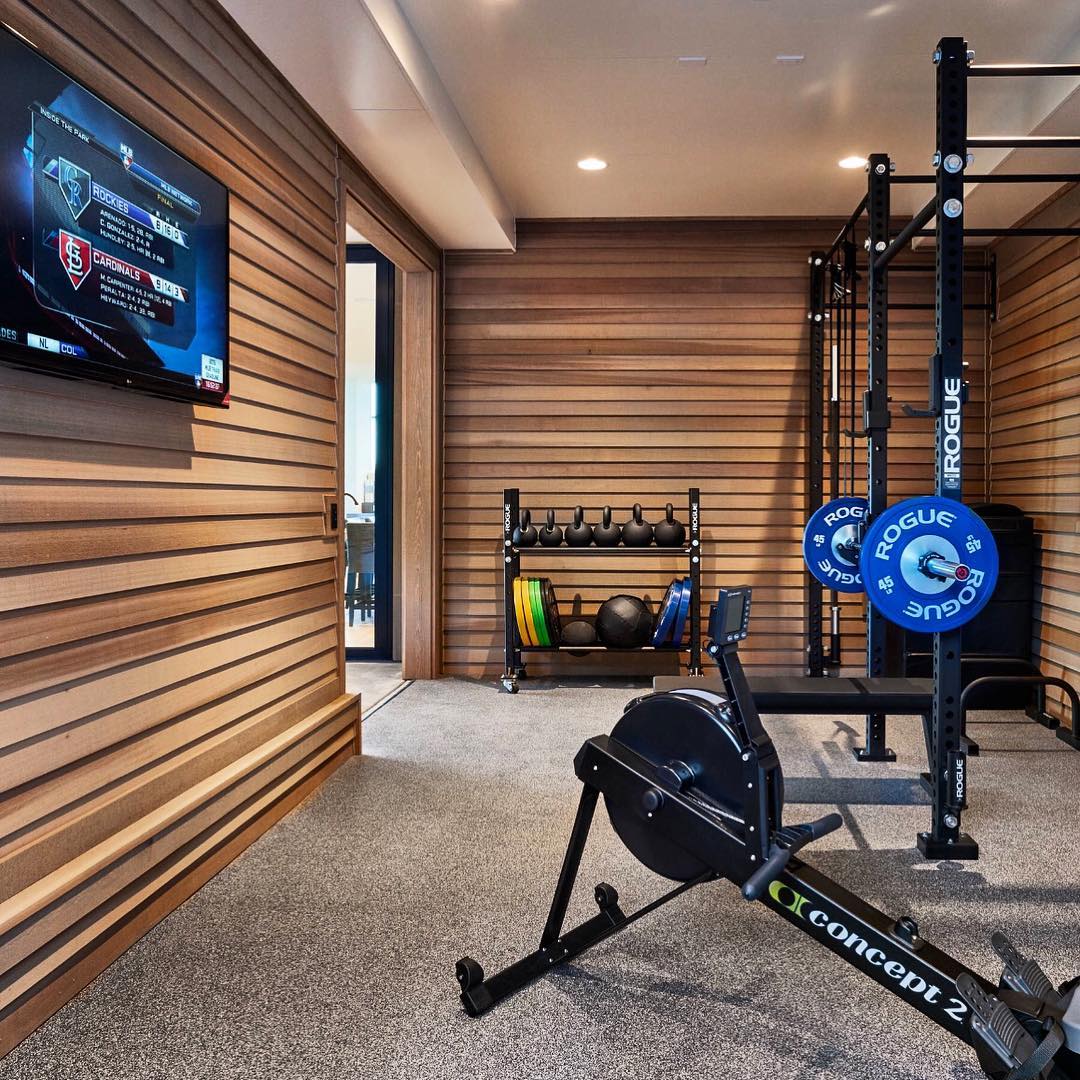
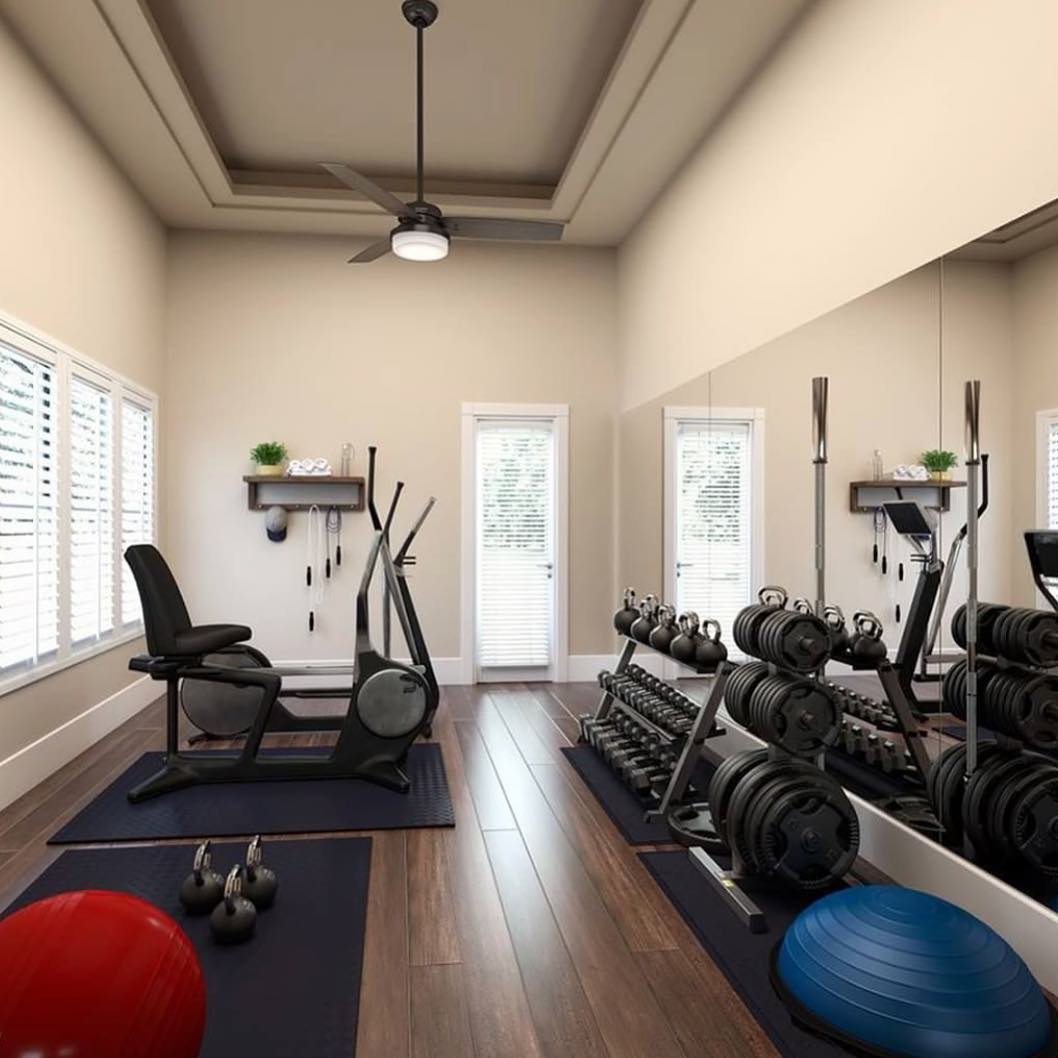
From folding treadmills under the bed to rebound nets in the garden, home sport has been transformed over the past decade. UK homeowners now treat a small gym or practice area as part of the property, much like a good kitchen.
The advantages are clear: no commute, complete control of the schedule, and privacy if you are learning or returning from injury. The trade‑off is motivation; no one notices if you skip a session.
In practice, the biggest barrier to home sport is not money or equipment. It is deciding that, at 7pm on a wet Tuesday, you will actually use it.
Practical tips for homeowners include choosing compact, multi‑use equipment, protecting floors and walls, and making it easy to start a session in under five minutes. That often means leaving one or two things permanently set up, even if it is just a yoga mat and resistance bands.
Sports Clubs: Structure, Status, and Real Competition
Clubs remain the backbone of organised sport in the UK, from village cricket teams to professional academies. They offer qualified coaching, regular fixtures, and a clear pathway from beginner to competitive player.
Annual subs, kit, and travel can add up, especially for sports like golf or hockey. You are also tied to fixed training times that may clash with shifts, childcare, or weekend work.
For professionals who can ring‑fence two or three evenings a week, clubs provide discipline and a ready‑made community. For shift workers or parents of very young children, the same structure can feel like a straightjacket.
Streaming and TV: The Era of the Armchair Expert
With Premier League rights split across Sky, TNT Sports, Amazon, and others, UK fans can watch more live sport than ever. Coaches’ cams, player mics, and on‑screen data make even casual viewers feel like analysts.
The cost is often hidden in multiple subscriptions and broadband upgrades. The physical cost is more obvious: hours on the sofa while your kit gathers dust in the cupboard.
Used well, streaming can support active participation. Tactical breakdowns improve your understanding of shape and timing; strength and conditioning videos can be copied in the garage or living room.
Community Leagues: The Middle Ground
Five‑a‑side football at a local Powerleague, a mixed‑ability netball league, or a charity cricket day are now common across UK towns and cities. These sit between formal clubs and casual park kick‑abouts.
Fees are usually per‑game rather than annual, and teams often form among colleagues or neighbours. Standards can be uneven, but so is the seriousness; the point is to play, not to win promotion.
What This Means for UK Homeowners, Fans, and Professionals
For most people, the answer is not to pick a single model but to build a realistic blend that fits their life. A homeowner with limited space might combine one sturdy piece of home equipment, a weekly community match, and one streaming subscription tied to their favourite club.
Sports professionals and serious amateurs may still need clubs for proper competition, but they can use home setups for extra conditioning and streaming for analysis. Fans who do not play should consider whether a low‑cost community league or walking football session could turn passive support into active health.
- If time is your main constraint, favour home setups and short community sessions.
- If social connection matters most, lean towards clubs and community leagues.
- If you mainly care about elite sport, treat streaming as your core, with occasional local participation to stay active.
The core question is simple: how much of your relationship with sport happens on a screen, and how much happens on a pitch, court, or living‑room floor? Once you answer that honestly, the right mix of tools and options becomes much easier to choose.
Clarity in writing comes from structure, not length.