Sports in the UK: What Really Matters to Fans, Homeowners, and Professionals
Sports in the UK: What Really Matters to Fans, Homeowners, and Professionals
Sport in the UK is not just about big tournaments and transfer deadlines. It also shapes how people use their homes, plan their weekends, and even choose careers. This explainer looks at sport from three angles: as a fan, as a homeowner, and as a professional.
Key Takeaways
- Sport in the UK is dominated by football, but cricket, rugby, tennis, athletics, and grassroots activities matter just as much to daily life.
- Home design, local facilities, and tech choices increasingly revolve around how people watch and play sport.
- For professionals, sport is now an ecosystem of data, media, and community roles, not just playing on the pitch.
- Grassroots clubs and school programmes remain the foundation of both elite performance and community wellbeing.
How UK Fans Actually Experience Sport
Most UK fans engage with sport through screens and local grounds rather than big stadiums. Premier League football commands global attention, but lower league matches on cold Saturdays and Sunday league games in local parks are still the weekly heartbeat.
Streaming has changed habits. Fans mix live TV, club apps, social clips, and radio commentary, often at the same time. This second-screen culture shapes when households are loud, when the heating goes on, and which room everyone fights over.
For many households, the real match-day routine happens in the living room and kitchen, not just in the stands.
What Sport Means for Homeowners
Homeowners often adapt their space around sport. In many UK homes, the largest screen and best speakers end up in the main room used for big fixtures, from the FA Cup to Wimbledon.
Gardens, garages, and spare rooms double as practice spaces or home gyms. Five-a-side football nets, basketball hoops, and putting mats are now common in back gardens, especially where public facilities are limited or heavily booked.
Creating a Home That Works for Sport
For homeowners, sport-friendly design is less about luxury and more about traffic flow and noise control. Open-plan kitchens that face the TV allow cooking and socialising during matches, while spare rooms can be used for fitness gear and streaming workouts.
- Choose furniture layouts with clear sightlines to the screen for group viewing.
- Use rugs and soft furnishings to absorb noise during late-night fixtures.
- Consider durable flooring near garden doors where muddy boots and kit come through.
- Plan storage for balls, boots, rackets, and cycling gear to keep hallways clear.
Grassroots Sport: The Real Training Ground
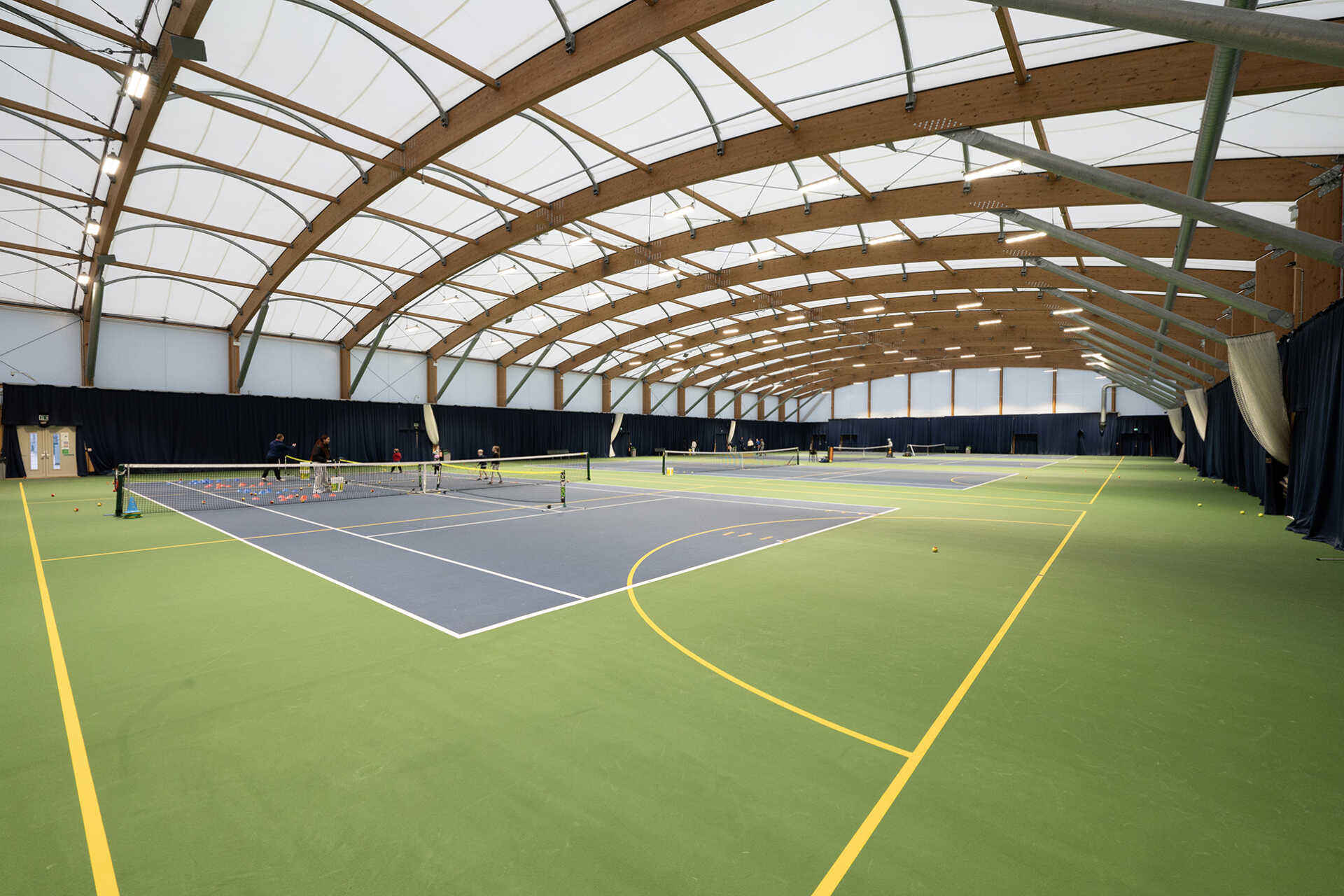
Grassroots clubs across England, Scotland, Wales, and Northern Ireland provide the first step into organised sport. Local football, rugby, cricket, netball, and athletics clubs rely on volunteers, council pitches, and small grants.
These fields and sports halls do more than produce future professionals. They create routines for families, offer social networks for adults, and give teenagers structured time away from screens and streets.

Inside the World of Sports Professionals
Professional sport in the UK now stretches far beyond players and coaches. Clubs, governing bodies, broadcasters, brands, and analytics firms all hire specialists in marketing, data, logistics, and community development.
Match days depend on a detailed operation: stewards, medical staff, transport planners, and media teams work to tight schedules and safety rules. Away from the stadium, analysts track performance, commercial teams manage sponsorships, and lawyers handle contracts and compliance.
Careers Around the Pitch, Not Just On It
Many people build careers around sport without ever playing professionally. Some focus on performance—sports scientists, physios, nutritionists, and psychologists. Others focus on how sport is seen and funded—content creators, rights managers, and community officers.
- Club operations: ticketing, stadium management, fan liaison, security.
- Media and content: commentary, production, social media, documentary work.
- Data and analysis: performance tracking, scouting, injury risk models.
- Community and education: school coaching, inclusion programmes, disability sport.
Balancing Passion, Health, and Everyday Life
For UK fans and homeowners, the challenge is balancing passion with health and routine. Binge-watching tournaments can mean less sleep and less movement, while weekend participation can improve fitness and social ties.
Professionals face a different balance. They work in a world built on emotion and rivalry but must make decisions using clear data and long-term planning. Understanding this tension helps explain why sport feels so intense yet is carefully managed behind the scenes.
Looking Ahead: How UK Sport Will Keep Evolving
Over the next decade, UK sport will likely see more hybrid experiences: part at-home, part in-venue, and heavily supported by data. Environmental pressures, public health goals, and tight local budgets will shape what gets built and who can access it.
For fans, homeowners, and professionals, the core question will stay the same: how to keep the joy of sport while making it fit real lives, real streets, and real homes. The answers will show up in living rooms, on local pitches, and in the jobs people choose around the games they love.
Clarity in writing comes from structure, not length.