Technology at Home: What the Next 12 Months Are Likely to Bring
Why the Next Year Matters for Home Technology
Over the next 12 months, most UK homes will not suddenly become science‑fiction pods. Instead, change will be gradual and practical, driven by energy prices, new building rules, and cheaper smart devices. The focus will be on comfort, running costs, and security rather than flashy gadgets.
For homeowners and housing professionals, this means thinking about technology as part of basic infrastructure, not an optional add‑on. Decisions made during the next year—what you buy, what you install, what you ignore—will shape how future‑proof your home feels by the end of the decade.
Key Takeaways
- Energy‑saving tech, especially smart heating and insulation‑friendly windows, will see the biggest push in UK homes.
- AI features will quietly appear inside everyday devices rather than as separate, shiny products.
- Home security and connectivity upgrades will matter more as hybrid working becomes normal.
- Professionals in housing and trades will feel growing pressure to understand and recommend connected products.
Smarter, Cheaper‑to‑Run Homes
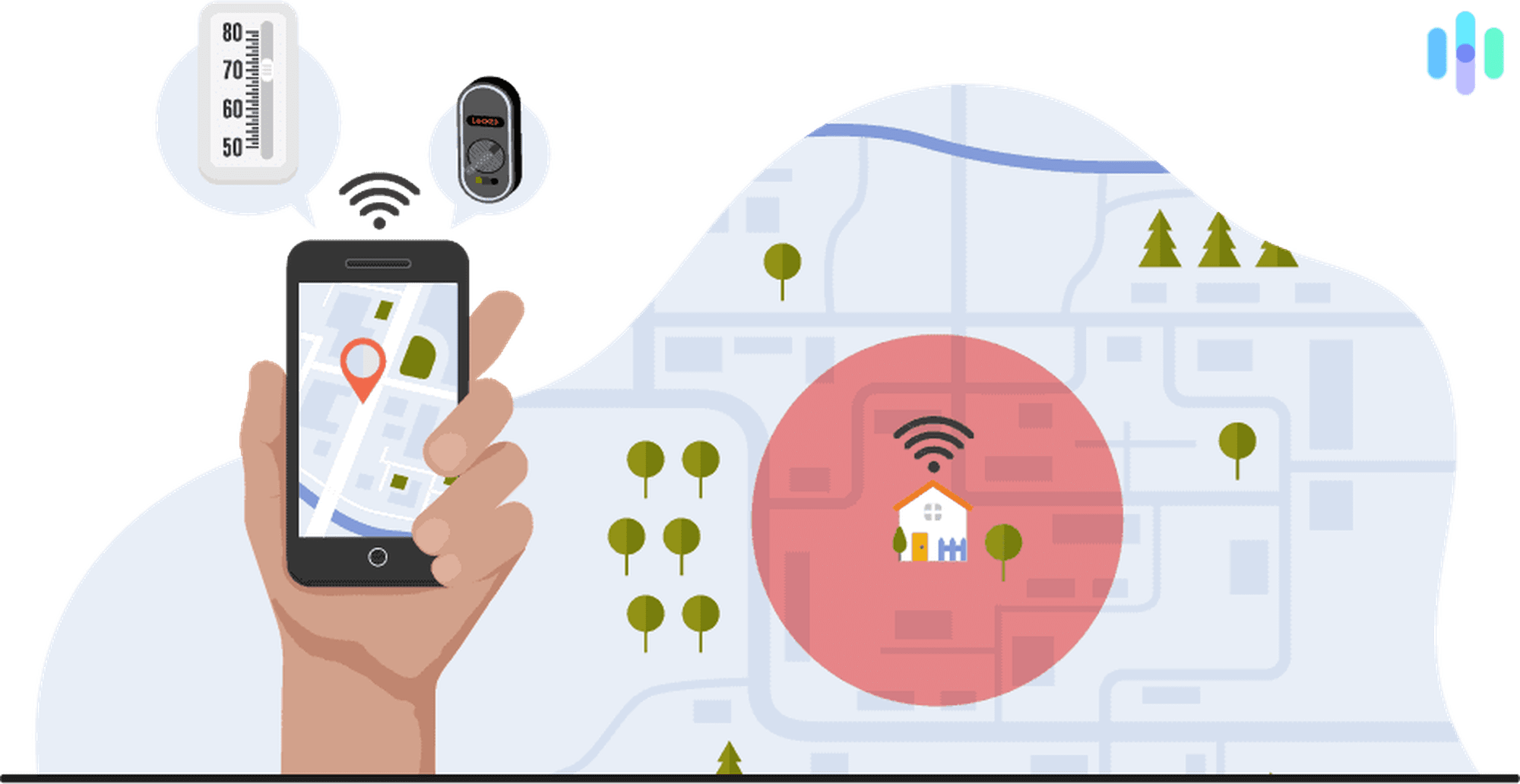
With UK energy bills still a concern after the price spikes of 2022–23, many households will look for tech that pays for itself. Smart thermostats and radiator valves, which adjust heating room by room and learn patterns over time, are likely to be the first step for many. These devices are now widely sold through DIY chains and energy suppliers, with installation often possible in an afternoon.
Window and door technology is also moving from niche to normal. Modern double and triple glazing, low‑emissivity coatings, and better seals are becoming standard in new builds and retrofits. Some manufacturers now pair their frames with sensors that detect whether windows are open, helping heating systems avoid wasting energy.
AI Moves Inside Everyday Devices
Artificial intelligence will keep making headlines, but at home it will mostly arrive in quiet ways. Rather than a single all‑powerful robot, UK households will see AI folded into appliances they already use. Think washing machines that pick cycles automatically, or security cameras that tell the difference between the postie and a stranger.
Voice assistants like Alexa and Google Assistant will gain more natural‑sounding replies and better UK‑specific knowledge. Yet their real value will be in the background, coordinating lights, heating, and appliances without constant tinkering. The challenge for homeowners will be setting clear rules and limits from the start.
Connectivity: Making the Home Network Boringly Reliable
As more people in the UK work from home at least part of the week, a reliable internet connection has become essential household infrastructure. Over the next year, full‑fibre rollout will continue, but the bigger change for many homes will be better in‑house networking. Mesh Wi‑Fi systems, which use several small units rather than a single router, are dropping in price and are easier to set up.
For households with gamers, streamers, or remote workers, separating work and leisure devices on the network will become more common. This can reduce glitches during calls and make it clearer which device is causing problems when the internet slows down.
Security and Privacy: Locking the Digital Front Door
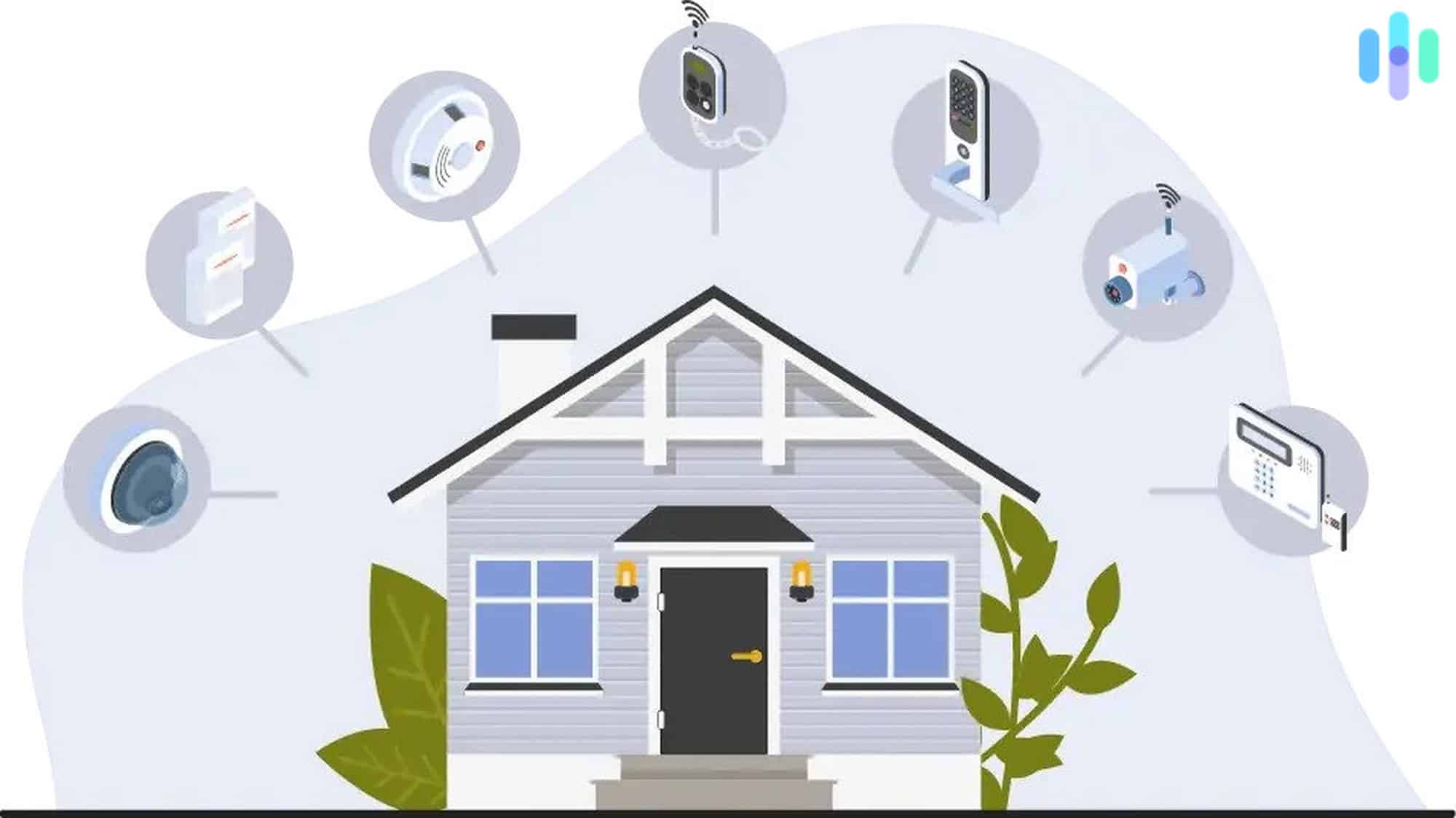
Video doorbells, smart locks, and connected alarms have moved from early adopters to the mainstream, especially in UK suburbs and new‑build estates. Over the next 12 months, the question will shift from "Should I get one?" to "How do I manage all of this safely?" Many devices now offer end‑to‑end encryption and two‑factor login, but these features are often left unused.
Even well‑designed security gadgets are only as strong as the passwords and settings chosen by the people who install them.
Homeowners should expect retailers and installers to start talking more about data storage, cloud subscriptions, and how long video footage is kept. This will be especially important for landlords and housing associations, who must balance tenant safety with privacy obligations.
Home as Live‑Work‑Recharge Hub
Since the pandemic, UK homes have had to juggle roles: office, classroom, gym, and sanctuary. Technology over the next year will reflect that mix. We are likely to see more compact, fold‑away gear: monitors that double as TVs, adjustable desks that tuck into corners, and lighting that shifts from bright white for work to warm tones in the evening.
Acoustic panels, smart blinds, and better sound‑insulating windows will interest people in terraced and flat living, where noise is a daily issue. Many of these products now come with app control or automation, for example blinds that lower automatically on bright afternoons to keep rooms cool.
What Homeowners and Professionals Can Do Now
You do not need to upgrade everything at once. A simple plan for the next year can keep spending under control while still making real improvements. Consider the following steps:
- Audit your home: list current energy costs, weak Wi‑Fi spots, and security gaps.
- Prioritise basics: insulation, efficient windows, and reliable broadband before luxury gadgets.
- Choose open standards where possible, so devices from different brands can work together.
- Keep a short written record of logins, warranties, and installer details in a safe place.
For professionals—installers, electricians, architects, and housing officers—this is also a year to update skills. Short courses on smart‑home systems, low‑carbon heating, and building regulations can make the difference between simply fitting products and offering trusted, long‑term advice.
The Quiet Upgrade
The most important technology changes in UK homes during the next 12 months will not be dramatic. They will be steady improvements in comfort, safety, and running costs, shaped by decisions made room by room. If homeowners and professionals treat technology as part of core home design, rather than an afterthought, the benefits will last well beyond the latest gadget cycle.
Clarity in writing comes from structure, not length.