Technology in 2026: How It’s Quietly Rewiring UK Homes and Daily Life
Technology in 2026: How It’s Quietly Rewiring UK Homes and Daily Life
Technology in 2026 is less about flashy devices and more about systems working in the background. For UK homeowners and professionals, the real story is how this quiet shift affects comfort, costs, and the value of the home itself.
Key Takeaways
- Smart home tech is moving from novelty gadgets to core infrastructure, often tied to energy bills and insurance.
- AI is being built into everyday services, from heating systems to home maintenance and local trades.
- Wellness, sustainability, and data privacy now sit alongside price when homeowners choose new tech.
- Professionals in housing, law, and the trades are reshaping their work around connected, data-rich homes.
The Connected Home Becomes the Default
In many new-build developments across England, Scotland, and Wales, a basic smart home package is now standard rather than an optional extra. Buyers often walk into homes that already include app-controlled heating, basic security sensors, and pre-wired hubs for future upgrades.
This shift changes expectations. Surveyors increasingly comment on connectivity, and some mortgage advisers quietly note that buyers now ask about broadband speed and smart meters as often as they ask about nearby schools.
Energy, Bills, and the Rise of “Practical Tech”
With energy prices still volatile after the spikes of the early 2020s, the most important technology in many homes is not the television but the boiler controller. Smart thermostats, zoned heating, and AI-assisted learning systems are being sold as tools to reduce waste rather than as fun gadgets.
Suppliers and installers report that customers now ask first, “How much will this save me?” before asking about apps or voice control. The emphasis is on systems that quietly trim kWh, not showpieces for dinner guests.
“If the app looks boring but cuts my bill by 10%, that’s fine,” a Birmingham homeowner told a local energy adviser this spring.
This mindset extends to windows, insulation, and even electric-vehicle chargers, which increasingly ship with usage data and automation features as standard.
AI Moves Into Home Services and Maintenance
AI is no longer just a headline in Silicon Valley press releases. By early 2026, home-service platforms reported stronger demand for trades and maintenance work, in part because smart systems make it easier to spot problems before they become emergencies.
Scheduling software now predicts when a boiler may need servicing based on usage patterns, and some UK property managers receive automated alerts when humidity suggests a damp or mould risk in flats.
For trades professionals, this means fewer random call-outs and more planned work. For homeowners, it means that the first sign of trouble is more likely to be a notification than a cold shower on Monday morning.
Bathrooms, Wellness, and the Smart-But-Private Home
Bathrooms have quietly become one of the most technology-heavy rooms in the home. In UK cities, high-spec refurbishments increasingly include smart toilets, digital showers with temperature presets, and humidity-aware ventilation to tackle mould.
Manufacturers promote these upgrades as part wellness, part hygiene, and part accessibility for older or disabled users. Yet they also raise questions: where does usage data go, and who can see it?
Wellness tech only feels luxurious if it also feels private. Homeowners are starting to ask harder questions about what is logged, and how long it is kept.
Designers respond by hiding the tech: flush panels instead of chunky control boxes, quiet fans with CO₂ sensors, and lighting that adjusts gently in the evening. The room feels calm first and clever second.
Indoor–Outdoor Living, Sensors, and Security
Architects report rising demand for big glazed openings, garden rooms, and sliding doors that merge kitchen and patio. Behind this lifestyle shift sits more technology: sensors that adjust blinds, monitor air quality, and manage heating for rooms that spend half the year cold and half the year in full sun.
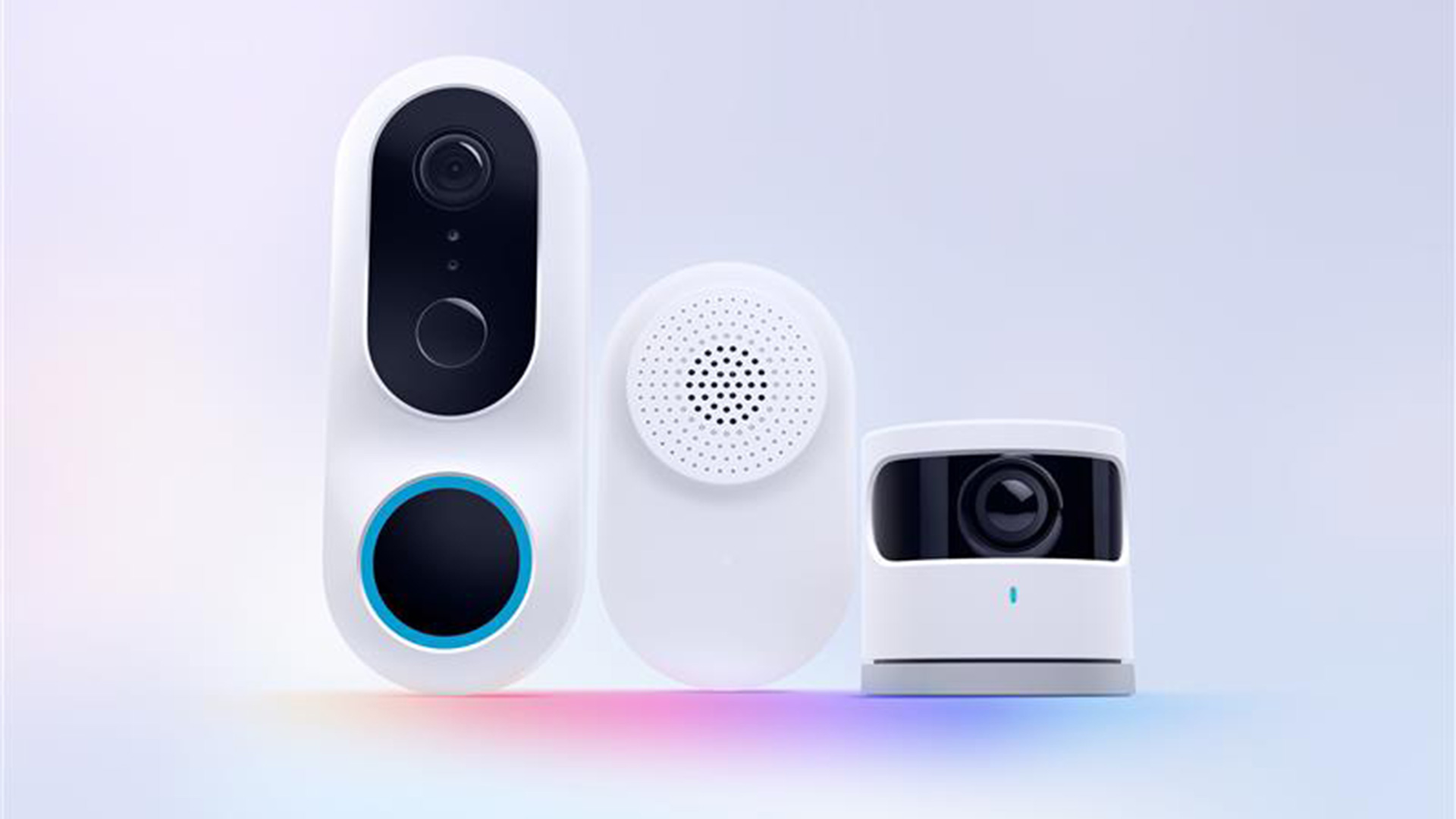
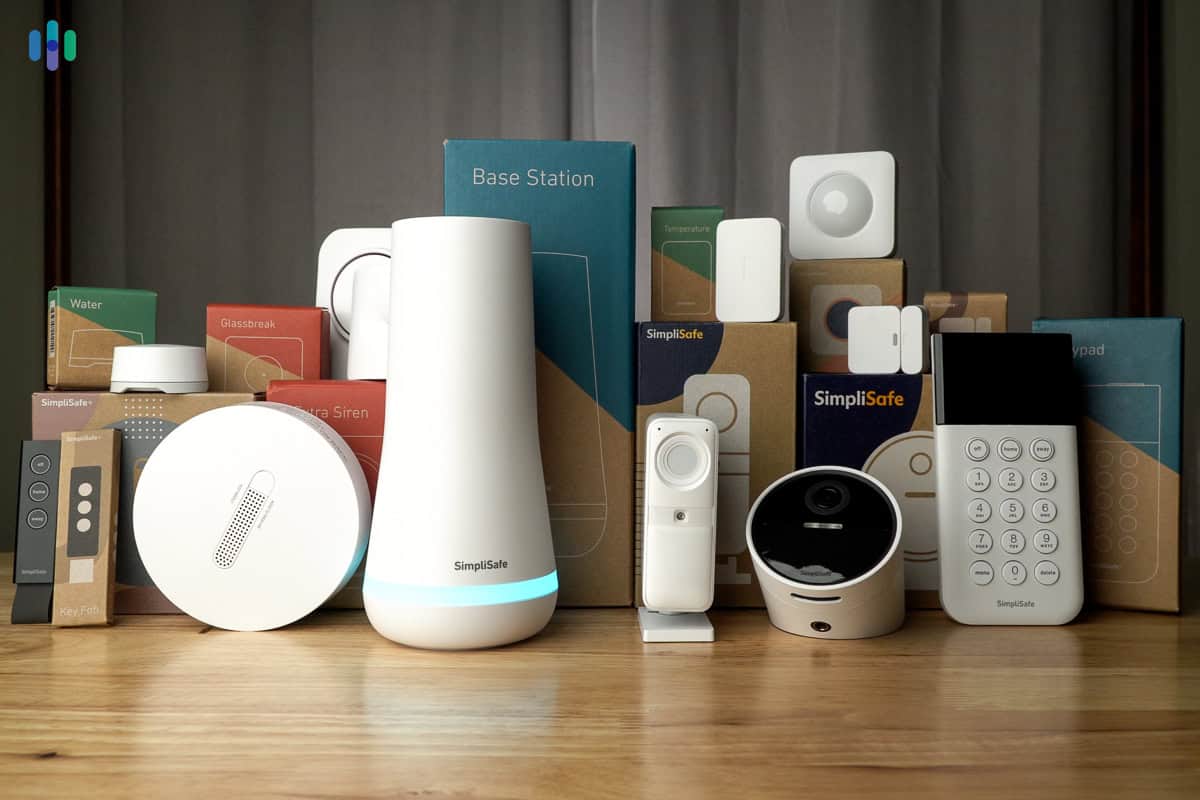
Security technology has followed the same route. Camera doorbells, smart locks, and connected lights are common in dense urban neighbourhoods, with some insurers offering incentives for verified systems.
What This Means for UK Homeowners and Professionals
For homeowners, the main task in 2026 is choosing technology that solves clear problems: high bills, damp, security worries, or accessibility needs. It is increasingly sensible to treat key systems—heating controls, wiring, networking—as core infrastructure, not optional add-ons.
For professionals—estate agents, solicitors, surveyors, and trades—the job now includes translating all this into plain language. That means explaining, for example, whether a smart system is owned or leased, what happens when a subscription ends, and how to transfer control securely when a property is sold.
- Check who owns the data from any major smart system installed in your property.
- Record login transfers and device resets as part of conveyancing when selling a home.
- Ask installers about long-term support and software update policies, not just hardware warranties.
The broad direction is clear: UK homes are becoming more connected, more measured, and more actively managed. The challenge, and opportunity, is to make sure that this technology serves people first, and not the other way around.
Clarity in writing comes from structure, not length.