
Technology in 2026: How It’s Quietly Rewiring UK Homes and Everyday Life
Key Takeaways
- In UK homes, technology in 2026 is focused on comfort, energy savings, and health, not just convenience.
- Smart systems now connect heating, lighting, security, and even bathrooms, with AI managing routine decisions.
- Economic pressure and higher energy costs are pushing homeowners toward efficiency-focused upgrades.
- Professionals in property, design, and trades are expected to understand connected tech, not just physical materials.
From Gadgets to Systems: What “Technology” Means in 2026
Technology in 2026 is less about buying a single device and more about how different systems work together. For UK homeowners, the central question is no longer “Do I need a smart speaker?” but “How do all these connected things actually help my home run better?”
Smart meters, thermostats, security cameras, and lighting are now common, even in modest properties. The shift is that they increasingly talk to each other, often through a single app or voice assistant, rather than operating as separate gadgets.
The Connected Home Becomes the Normal Home
Smart home technology has moved from early adopters to the mainstream. Many buyers now treat basic connectivity as a standard feature, similar to double glazing or central heating in the 1990s.
In 2026, typical connected-home upgrades include:
- Smart thermostats that learn routines and adjust heating room by room.
- Security systems with remote monitoring and motion alerts to phones.
- Voice-controlled lighting and blinds that follow schedules and daylight.
- Appliances that report faults before they fail, helping avoid sudden repair bills.
For landlords and property managers, these tools offer an audit trail: who changed what, when, and why. That data is quietly becoming part of maintenance planning and tenant negotiations.
Energy, Bills, and the Push for Smarter Efficiency
With energy prices still a major concern for UK households in 2026, technology is being judged on whether it cuts bills. Smart thermostats, zoning valves, and connected radiators are now key selling points in renovations and new builds.
Large window openings and better glazing, promoted in current home improvement trends, are often paired with smart shading and sensors. The goal is to let in light and reduce heating demand, without overheating in summer.
“The real question our clients now ask,” one Midlands installer explained at a recent trade show, “isn’t ‘Is it smart?’ It’s ‘How much will this save me, and how quickly?’”
Government incentives and tighter energy standards are nudging homeowners toward upgrades like heat pumps, solar panels, and battery storage. In many homes, a central energy app now shows live usage, turning bills into a real-time dashboard instead of a nasty surprise every quarter.
Bathrooms, Kitchens, and the Rise of Quiet Automation
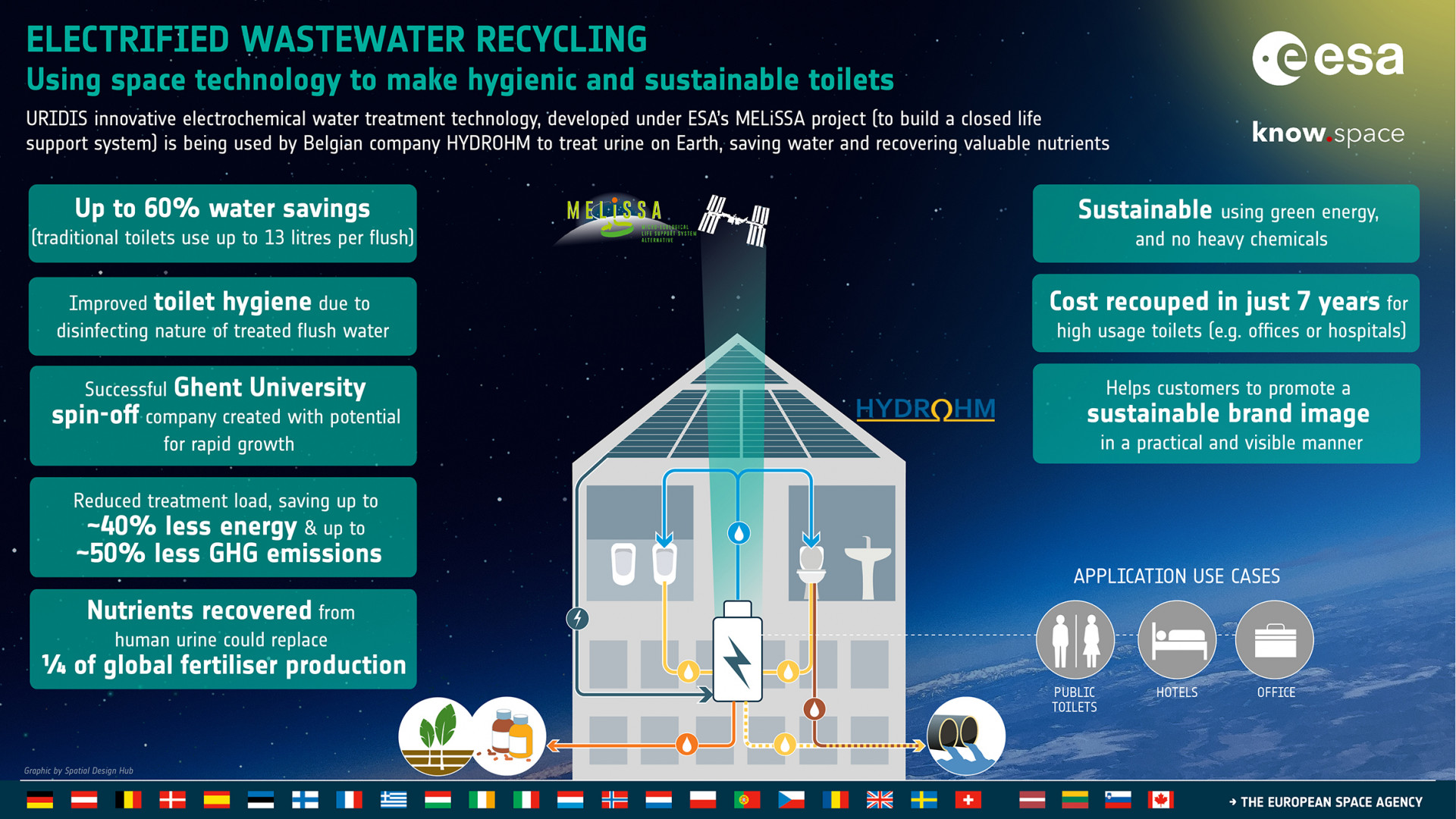
Bathrooms and kitchens are absorbing some of the most noticeable tech changes. Smart toilets with heated seats, integrated bidets, and automatic cleaning are increasingly marketed in UK cities, positioned as both hygienic and water-efficient.
In kitchens, induction hobs, connected ovens, and sensors for leak detection are becoming standard in higher-spec projects. These features appeal to buyers looking for safety, lower running costs, and fewer maintenance surprises.
Health, Air, and the Biophilic Turn
Well-being has moved from a design buzzword to a technical brief. Homes are being fitted with mechanical ventilation systems that monitor humidity and filter pollutants, aiming to reduce mould and improve respiratory health.
Biophilic design, which emphasises natural light and views of greenery, is shaping window and extension plans. Larger openings, sliding doors, and garden rooms are often combined with smart glass, automated blinds, and sensors that respond to temperature and glare.
AI Moves In: From Voice Assistants to Digital Housekeepers
AI has moved beyond telling jokes in the kitchen. In 2026, mainstream assistants can manage routines across multiple devices: dimming lights, locking doors, adjusting heating, and suggesting lower-cost times to run the washing machine.
For trades and professionals, AI is also showing up in planning tools. It can help design heating layouts, estimate running costs for different insulation options, or flag potential compliance issues before work starts.
Many homeowners do not know exactly which AI tools they are using. They simply interact with a single app or voice interface, while the software handles scheduling, optimisation, and, increasingly, simple diagnostics.
What This Means for UK Homeowners
For UK homeowners, the practical question is how far to go. Not every property needs a full smart-home overhaul, but selective upgrades can have clear benefits.
Areas where technology tends to pay off include:
- Energy: smart thermostats, zoning, and efficient lighting.
- Security: cameras, smart locks, and monitored alarms.
- Comfort and health: ventilation control, air quality sensors, and adaptive shading.
- Accessibility: voice controls and automation that support ageing in place.
Resale value is part of the calculation. While a house will still sell without smart features, buyers increasingly ask about broadband quality, energy ratings, and existing connected systems before making offers.
What Professionals Need to Prepare For
Architects, builders, electricians, and estate agents are all being drawn into technology decisions. Clients expect basic guidance on which systems are reliable, secure, and maintainable, not just whether they will fit.
For trades, this means learning how to coordinate with IT-style roles, such as network installers and security specialists. For agents, it means being able to explain what “smart ready” actually covers, and how it affects running costs.
Those who adapt can offer more complete services, moving from one-off jobs to ongoing advice and maintenance relationships.
Looking Ahead: A Gradual, Not Sci‑Fi, Future
The outlook for technology in 2026 and the few years beyond is incremental rather than dramatic. Most UK homes will not become fully automated showpieces, but they will quietly gain more sensors, smarter controls, and tighter links between physical and digital systems.
For homeowners and professionals alike, the challenge is to focus on technologies that genuinely improve comfort, cost, and health, and to avoid locking into closed systems that will be hard to maintain. The homes that age best are likely to be those where the technology is almost invisible, working in the background to make everyday life simpler, safer, and more efficient.
Clarity in writing comes from structure, not length.