Technology: Myth vs Reality for UK Homes and Workplaces
Key Takeaways
- Technology is not automatically more efficient; it works best when matched to a clear need.
- For UK homeowners, reliability and support often matter more than the latest features.
- For professionals, the biggest gains usually come from better workflows, not more devices.
- Many common myths come from marketing, not day-to-day use.
Technology is one of those words that can mean almost anything: a smart thermostat, a work app, a laptop, or a home security system. In practice, people in the UK usually want the same thing from it: less hassle, better control, and value for money.
The problem is that many technology claims sound stronger than the reality. A device may be useful, but only if it is easy to set up, dependable over time, and suited to the way people actually live and work.
Myth vs Reality
| Myth | Reality | What this means |
|---|---|---|
| New technology always saves time | It only saves time if the setup is simple and the task is repetitive | Choose tools that remove a real bottleneck, not just ones with more features |
| Smart home devices are fully “set and forget” | They often need updates, strong Wi-Fi, and occasional troubleshooting | Homeowners should factor in maintenance, not just the purchase price |
| More automation means better results | Automation can create errors if rules are poorly designed | Use automation for clear, limited tasks such as lighting schedules or reminders |
| The newest product is the best choice | Older, well-supported models can be more stable and cheaper to run | Look at support, warranties, and compatibility before upgrading |
What this means
For homeowners, technology should reduce friction in daily life, not add another layer of admin. A smart heating system, for example, may be helpful if it is easy to control and works with your existing boiler and broadband setup.
For professionals, especially in offices, trades, and small businesses, the gain often comes from better communication and fewer manual steps. A shared calendar, digital job sheet, or secure cloud folder may deliver more value than a flashy new device.
“The best technology is usually the one people keep using after the novelty wears off.”
Common UK examples
In the UK, practical concerns shape how technology performs. Terraced houses, older wiring, patchy broadband, and shared living spaces can all affect whether a product works as promised.
- Smart heating: Useful for managing energy use, but only if it is compatible with your system.
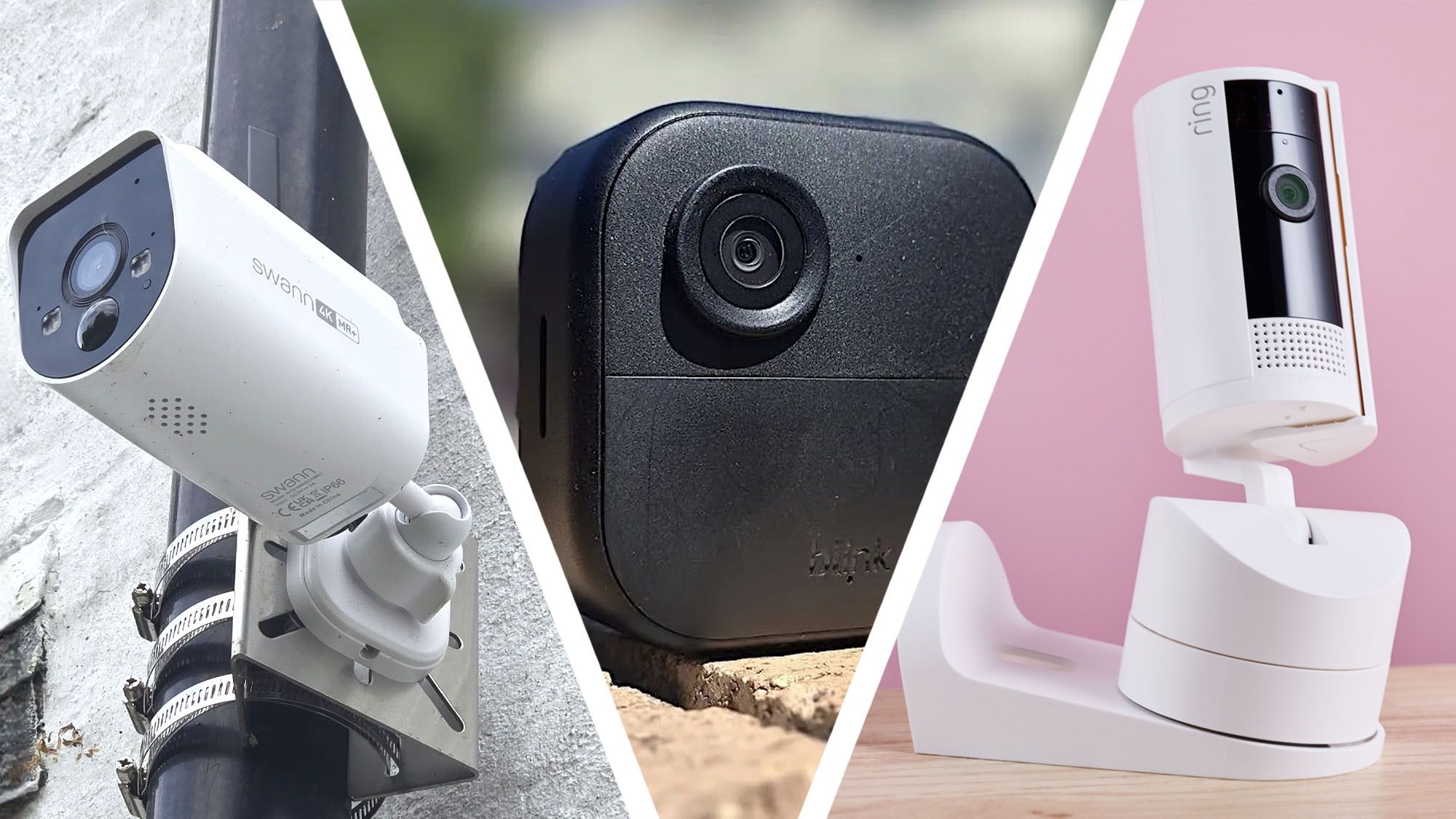
- Home security cameras: Helpful for peace of mind, but they depend on stable internet and clear privacy settings.
- Work collaboration apps: Good for remote teams, but they can become cluttered if every task moves online.
- Voice assistants: Convenient for quick actions, though they are not always reliable for complex requests.

How to separate myth from reality
A simple test helps: ask what problem the technology solves, who will use it, and what happens when it fails. If the answer is vague, the product may be more about promise than performance.
It also helps to read beyond the headline. Check whether the technology needs subscriptions, regular updates, or extra hardware. Those details often decide whether it feels useful or frustrating after the first month.
Final thought
Technology is not a miracle fix, and it is not a waste of time either. Used well, it can make homes easier to manage and work more efficient. Used badly, it becomes one more thing to maintain.
The most sensible approach is the least glamorous one: compare the myth with the reality, then choose the tool that solves a real problem in a practical way.
Clarity in writing comes from structure, not length.