What 2026 Is Shaping Up To Mean for the UK: Prices, Property and the Real Economy
What 2026 Is Shaping Up To Mean for the UK: Prices, Property and the Real Economy
Key Takeaways
- UK inflation is easing, with CPI at 2.8% in the year to April 2026, but energy remains a renewed risk.
- Logistics property is tightening again, with availability down to 7.3% and rents supported by low speculative development.
- Office markets are polarising between high-quality, efficient space and older stock that risks being stranded.
- Higher-for-longer global energy prices are likely to cap growth, with 2026 world GDP now forecast closer to 2.2% than 3%.
- For UK households and investors, the big themes are cost discipline, energy efficiency and selective risk taking.
Inflation: Easing, But Not Quite Comfortable
The headline story for 2026 so far is that UK inflation is finally coming down, but not quite back to the easy days of cheap energy and low borrowing costs. According to the Office for National Statistics, the Consumer Prices Index (CPI) rose 2.8% in the 12 months to April 2026, down from 3.3% in March.
The broader CPIH measure, which includes owner occupiers’ housing costs, came in slightly higher at 3.0%. Core CPIH, which strips out energy, food, alcohol and tobacco, slowed to 2.8% from 3.3% a month earlier. That matters because it shows domestic price pressure is easing, even if energy remains a wild card.
UK inflation is no longer the emergency it was in 2022–23, but it is still a constraint. Prices are rising more slowly, not falling, and energy markets remain a serious source of uncertainty.
For homeowners and landlords, this means the Bank of England has more space to think about rate cuts, but not carte blanche to slash borrowing costs. Mortgage rates may soften from their recent peaks, yet the era of ultra-cheap money looks over for now.
Energy Prices: The Global Shock That Will Not Quite End
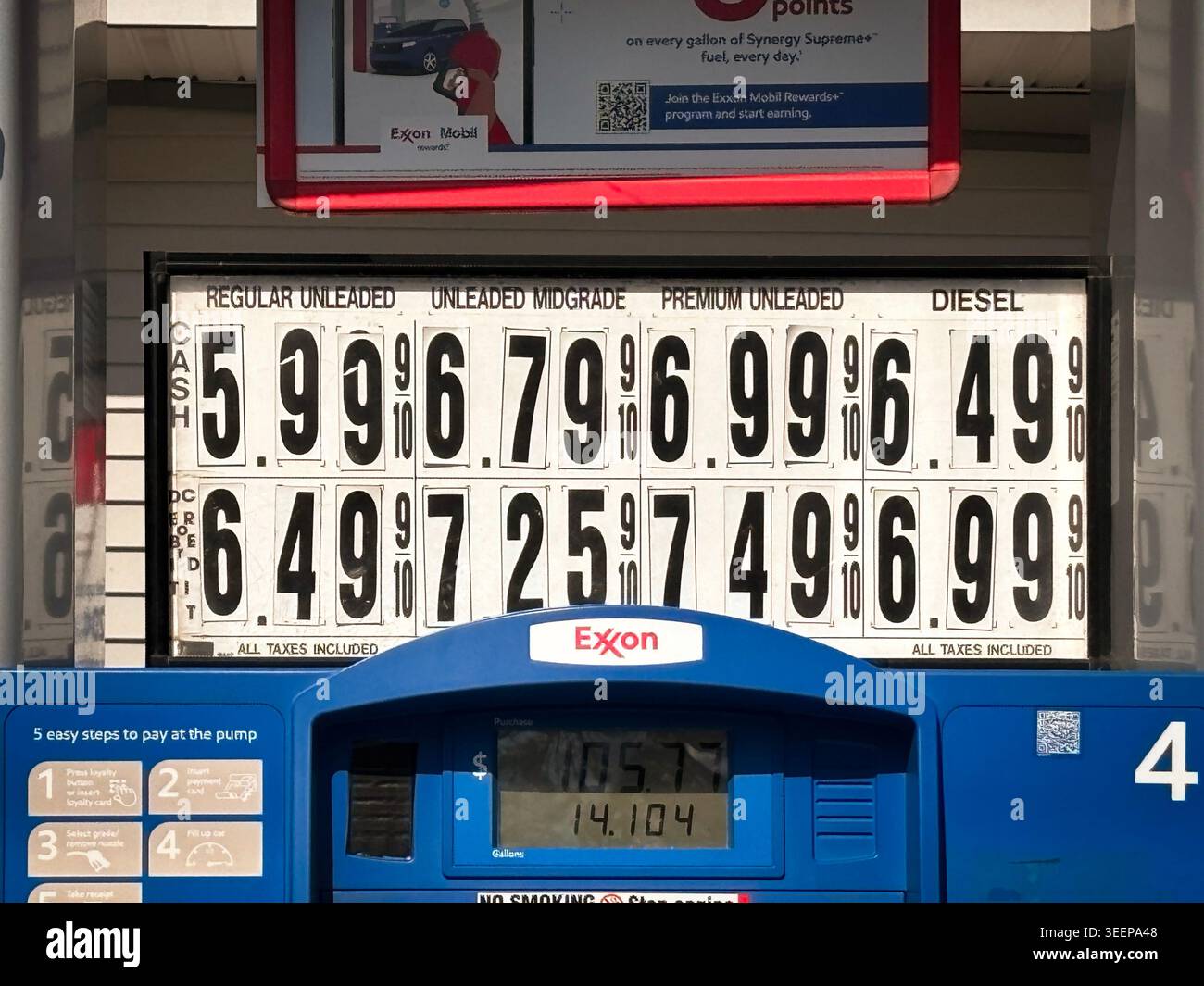
The pressure point that refuses to disappear is energy. S&P Global’s May 2026 economic outlook now assumes Brent crude stays above US$100 per barrel for the rest of the year, reflecting geopolitical tensions involving the US, Israel and Iran.
This higher-for-longer oil path is one reason global growth forecasts for 2026 have been cut from about 2.9% to 2.2%. For the UK, this translates into a world that is still growing, but more slowly, and with businesses and households paying more to keep the lights on and the vans on the road.
In practical terms, it tilts the balance in favour of energy-efficient homes, electric vehicles where feasible, and commercial buildings with strong grid connections or on-site generation. Energy is no longer a background cost; it is a strategic variable.
Logistics: Tight Sheds and Tough Choices
While some sectors are still digesting the interest-rate shock, UK logistics is quietly tightening again. Newmark’s Q1 2026 report shows availability edging down for the third quarter in a row to 7.3%, with take-up reaching 12.5 million sq ft, up 8% on a year earlier.
Demand is coming from logistics operators, e-commerce, food-related occupiers and firms in the automotive supply chain. Prime annual rental growth has broadly stabilised since the post-Covid surge and sat around 3.2% in Q1 2026, but low speculative development and relatively generous incentives are still supporting headline rents.
Cost pressures, though, are biting. Elevated construction, fit-out and borrowing costs are forcing occupiers to examine total occupational budgets, not just rent per square foot. Power availability and fit-out quality are key differentiators, with well-connected, efficient buildings favoured over cheaper but less capable space.
For property professionals, the message is clear: logistics is still a growth story, but only for assets that help occupiers cut running costs and build resilience. Older, power-constrained boxes risk sliding down the pecking order.
Offices: Polarisation, Not a Simple Comeback
In the office market, 2026 is not a straight rebound but a sorting process. The British Council for Offices’ new UK Office Outlook points to renewed investor interest, yet strongly emphasises the split between high-quality space and everything else.
In London and other big cities, occupiers are concentrating into well-located buildings with strong amenities, low running costs and clear sustainability credentials. Tenants are often willing to pay for better space if it supports hybrid working, helps with recruitment, and reduces energy exposure.
Secondary or tertiary offices without investment face a tougher time. With finance costs still elevated and construction inflation lingering, many owners are weighing expensive upgrades against potential write-downs or changes of use.

What This Means for UK Homeowners and Property Fans
For owner-occupiers, the slower pace of price rises offers some breathing room. Real wages can recover a little if pay deals outpace inflation, though the CIPD’s labour market work suggests employers remain cautious on pay growth and recruitment in 2026.
Home improvements are likely to focus more on reducing bills than chasing fashion. Insulation, heat pumps where appropriate, solar panels and basic draught-proofing are all defensive moves in an era of elevated energy costs and only modest economic growth.
- Check your mortgage deal and overpayment options before any rate cuts, not after.
- Prioritise energy-efficiency projects with simple, transparent payback periods.
- If you are a small landlord, model higher energy and maintenance costs into your yield assumptions.
For Investors and Professionals: Discipline Over Drama
For investors and property professionals, 2026 looks less like a boom or bust year and more like a grind. There is liquidity in logistics and selected office assets, but core buyers remain cautious and prime pricing has softened slightly as sentiment has weakened.
The common thread across the data is discrimination: between energy-efficient and energy-heavy assets, between generic sheds and power-rich logistics hubs, between prime flexible offices and older stock. Global conditions are not benign, yet they reward careful risk selection rather than retreat.
The news for 2026, then, is not that the UK is surging ahead or slipping into crisis. It is that the country is adjusting to a slower, more expensive world in which resilience, not exuberance, is the key advantage.
Clarity in writing comes from structure, not length.