What Sport Really Costs – And How to Think About the Return on Investment
What Sport Really Costs – And How to Think About the Return on Investment
Sport in the UK is often sold as priceless – for health, happiness, and community. But for families, homeowners and professionals, it comes with very real price tags and trade‑offs.
Key Takeaways
- Most sports deliver their strongest return in long-term health and wellbeing, not direct financial gain.
- Costs rise sharply once you add travel, competition fees, and specialist coaching.
- Home sports spaces, like gyms or courts, can add appeal and value, but only when well designed and regularly used.
- Professionals should treat sport spending like any other investment: set goals, track outcomes, and budget for risk.
The Three Main Cost Layers of Sport
Most sports spending falls into three broad layers: access, progression, and performance. Each layer can be modest or eye‑watering depending on the sport and level.
Understanding these layers helps you decide where to spend for the best return, and where you are simply buying convenience or prestige.
Layer 1: Basic Access – Getting in the Game
Basic access is the cost of simply taking part: facilities, kit, insurance, and membership. In the UK, this ranges from council-run pitches to premium private clubs.
A typical adult club football season might include membership fees, match subs, and basic boots and kit. For a child’s swimming lessons, it is monthly pool fees, a costume, and perhaps a club membership once they progress.
For most families, the best value comes from community clubs and council facilities: lower costs, strong social ties, and regular contact with coaches and peers.
Layer 2: Progression – Coaching, Travel, and Competition
Costs escalate when you move beyond casual participation. Regular coaching, regional competitions, and travel can quickly turn a modest hobby into a major budget line.
Parents of talented teenagers in sports like tennis, rugby, or athletics often find that petrol, entry fees, and hotel stays dwarf the price of boots or racquets. The financial load is heavier for households outside major cities, where travel is unavoidable.
Layer 3: Performance – Chasing Marginal Gains
At performance level, the spending pattern starts to resemble that of a small business. Sports science support, bespoke strength programmes, nutrition, and high-end equipment become part of the package.
Some semi-professional and aspiring elite athletes in the UK effectively self-fund their development, banking on future contracts or sponsorship that may never materialise.
Where the Real Returns Lie: Health and Lifestyle
The strongest and most reliable return on sports spending is health. Regular activity reduces the risk of cardiovascular disease, type 2 diabetes, and some cancers, and improves mental wellbeing.
From a purely financial perspective, that can mean fewer sick days, lower long-term healthcare costs, and the ability to stay in work longer. For many people, those benefits outweigh the money spent on club fees and equipment over decades.
Sports at Home: Gyms, Courts, and Garden Pitches
More UK homeowners now invest in garden goals, small artificial pitches, home gyms, or even tennis courts. These projects blur the line between lifestyle spending and property investment.
Estate agents often report that well-executed sports spaces can boost saleability, particularly in family areas. However, overdeveloped or poorly built installations can put buyers off, especially if they remove greenery or increase maintenance costs.
Calculating ROI for Home Sports Spaces
To judge whether a home sports project is worth it, consider four questions:
- How many hours per week will it actually be used, and by whom?
- Does it support several activities (for example, a multi‑use hard court versus a single‑sport surface)?
- Will it still appeal to buyers in five to ten years, when your needs change?
- What are the ongoing costs for maintenance, lighting, and insurance?
A flexible, modestly sized space that serves multiple sports often gives better value than a grand, single‑purpose statement court.
Professionals and High-Level Amateurs: Treating Sport Like a Business
For coaches, personal trainers, or semi-professional players, sport-related costs and income are tightly linked. Equipment, facility hire, travel, and insurance all sit alongside coaching fees and prize money.
Viewing this as a business portfolio can help: track every pound spent, compare it with income and opportunities generated, and be realistic about timelines. Very few careers in sport are long; planning for re‑training and alternative income is part of a responsible ROI calculation.
Fans: The Hidden Economics of Supporting Sport
Fans also make significant sport investments through match tickets, TV subscriptions, and travel. In Premier League football, season tickets have steadily risen, often outpacing wage growth in many regions.
The return here is less tangible but still real: community, identity, and shared experience. For many, the key is setting a clear annual budget and deciding where the emotional payoff is highest – live matches, away days, or shared viewing at home.
How to Decide What Is “Worth It”
The value of sports spending depends on your goals and stage of life. A family might prioritise activities that keep several people active together, while a single professional might focus on time-efficient training to protect long working hours.
Useful checks include asking whether an expense will be used weekly, whether it replaces another cost (like a gym membership), and whether it still makes sense if there is no promotion, medal, or social media moment at the end of it.

The Long Game: Seeing Sport as Infrastructure, Not Luxury
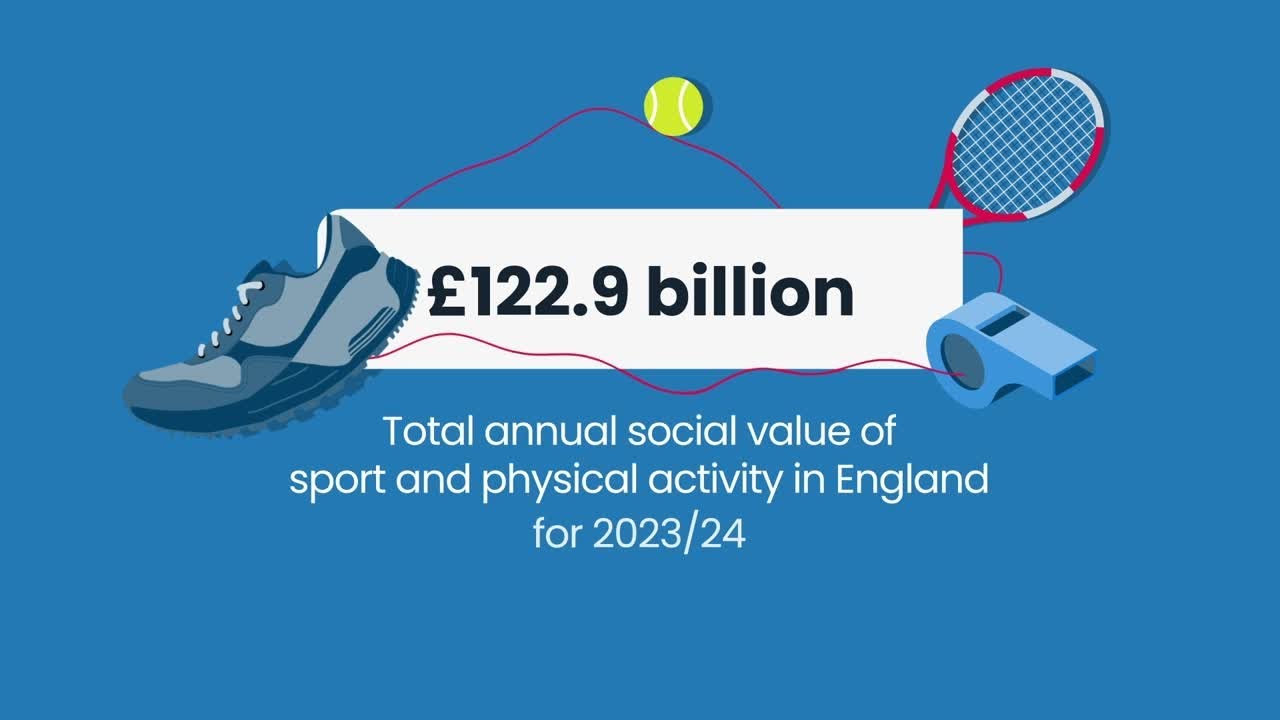
For the UK as a whole, grassroots sport is physical and social infrastructure. Local pitches, courts, and clubs quietly support public health, reduce isolation, and give young people structured places to belong.
On a personal level, the best returns come when sport spending is regular, moderate, and sustainable over years rather than explosive and short‑lived. The real reward is not the one-off event, but the habit you can keep.
Clarity in writing comes from structure, not length.